Congress splits on war powers resolutions to force Trump to abandon Iran war
Source Entity
US Top News and Analysis
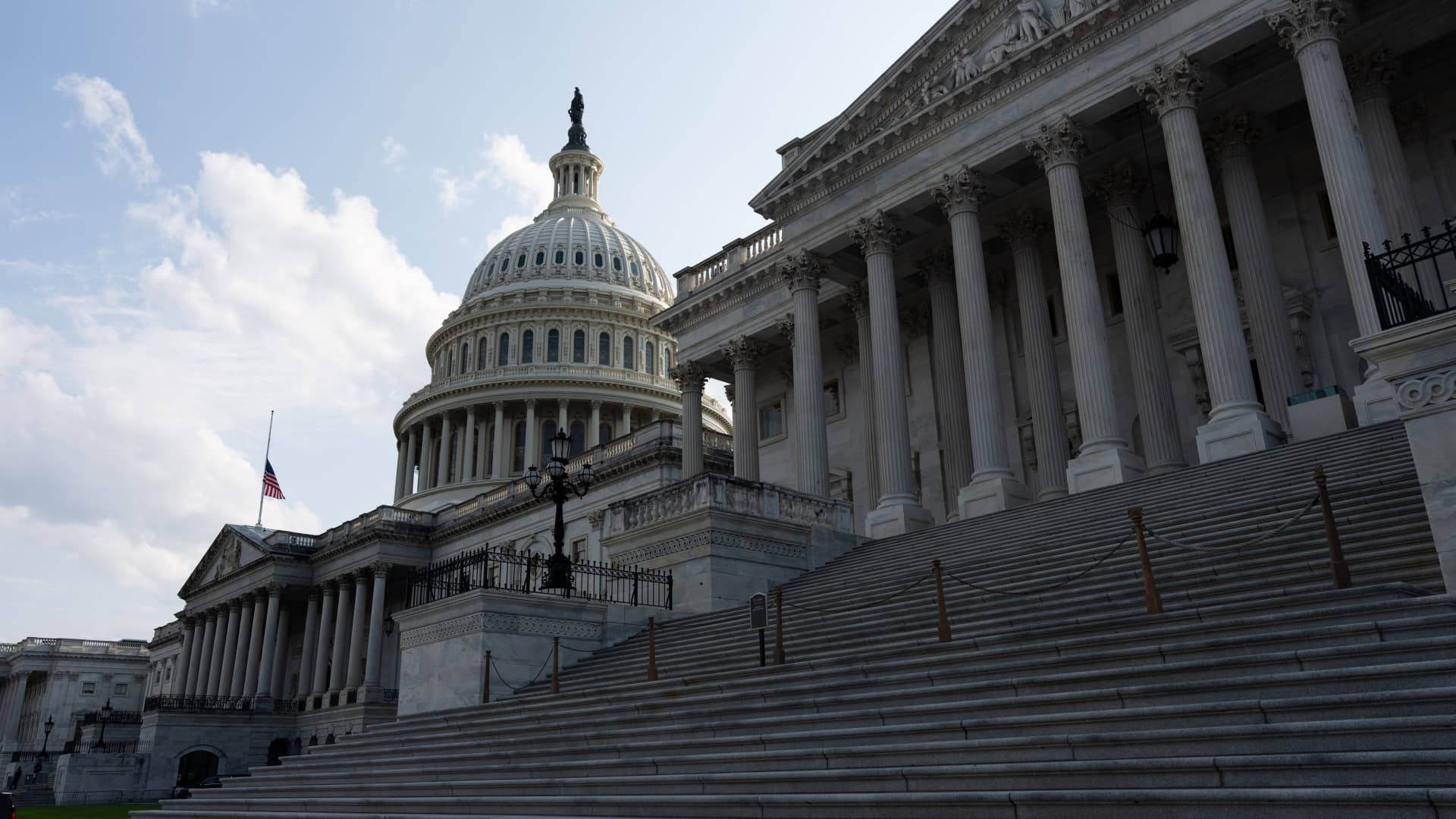
Congress remains deeply divided over war powers resolutions aimed at curtailing President Trump's authority in the renewed Iran conflict. With oil prices surging and midterm elections approaching, the political fallout threatens to destabilize Republican legislative control.
Legislative Deadlock Over Iranian War Powers
The recent developments in the US Capitol mark a critical juncture in American foreign policy as Congress struggles to address the renewed conflict with Iran. Following the collapse of peace negotiations, President Donald Trump has resumed hostilities, prompting a legislative response that has exposed deep-seated fractures within the halls of government. The failed Senate vote, which saw a 47-49 split, underscores the difficulty of invoking the War Powers Act during an active, escalating military engagement.
The Economic and Geopolitical Stakes
The timing of this conflict revival is particularly perilous, as global markets have reacted sharply to the instability. With oil prices crossing the $100-a-barrel threshold, the economic implications for the American electorate are immediate and severe. This price surge, combined with the human cost of a "deadly new phase" in the war, places immense pressure on lawmakers to justify the ongoing military commitment in the Middle East.
Political Vulnerabilities and Midterm Implications
As the U.S. midterm elections draw near, the conflict has become a central point of contention that threatens to disrupt the Republican Party’s electoral strategy. The party currently holds only razor-thin majorities, and the spectacle of a divided Congress failing to curb executive war powers may alienate moderate voters who are wary of open-ended foreign entanglements. The inability to reach a consensus suggests that the legislative branch is struggling to assert its constitutional authority against an executive branch determined to pursue its current course.
The Veto Barrier and Executive Power
A significant hurdle in this legislative effort is the near-certainty of a presidential veto. Even if proponents of the war powers resolutions were to gain a simple majority, the requirement for a supermajority to override a veto remains a formidable barrier. This dynamic reinforces the reality that, without a significant shift in political alignment or public opinion, the President maintains almost total control over the direction of the conflict.
Future Trends and Conclusion
Looking forward, the persistence of the war with Iran will likely continue to dominate the domestic political agenda. If hostilities remain elevated, Congress may face increased pressure from constituents to find a diplomatic off-ramp or, at the very least, impose stricter oversight mechanisms. The failure to pass these resolutions signals that the legislative branch is currently unable to force a change in strategy, leaving the administration with the initiative as the midterms approach. The path forward remains uncertain, with both economic stability and political control hanging in the balance.