Apple announces touchscreen MacBook Pro with OLED display
Source Entity
Samuel Axon
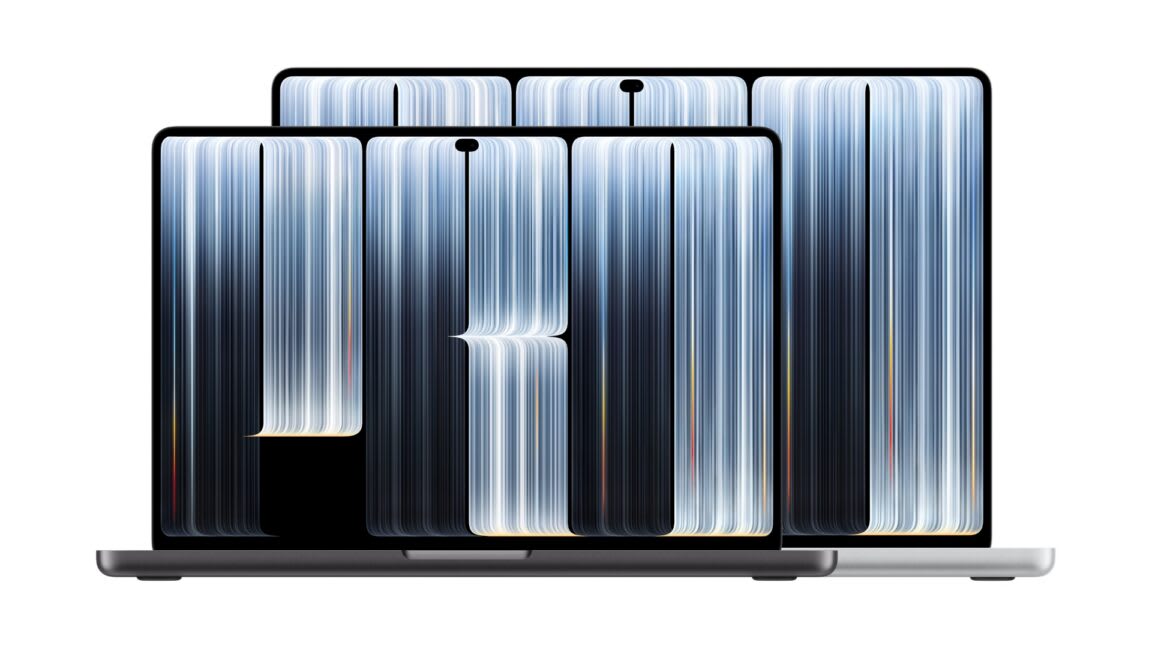
Apple has officially introduced a MacBook Pro featuring a touchscreen display and OLED technology. This launch follows a series of updates this week, including new M6-powered Macs and an OLED iPad Mini.
Apple Breaks Tradition with New Touchscreen MacBook Pro
Apple has officially shifted its long-standing hardware strategy by announcing a new MacBook Pro featuring a touchscreen display. For over a decade, Apple executives have famously pushed back against the inclusion of touch interfaces on laptops, often arguing that the iPad is the superior device for touch-based workflows. This launch represents a significant pivot, marking the first time a Mac has integrated a true touchscreen, moving beyond the legacy of the discontinued Touch Bar.
A Week of Rapid Innovation
The announcement comes at the tail end of an incredibly busy week for the Cupertino-based giant. Earlier in the week, Apple refreshed its product lineup with an updated iPad Mini featuring a new OLED display, alongside quiet iterative updates for the iMac and entry-level MacBook Pro, which received the new M6 chip. By clearing these minor refreshes early in the week, Apple successfully positioned the touchscreen MacBook Pro as the undeniable centerpiece of its 'Pro and tell' event held in Los Angeles.
The OLED Advantage and Pricing Considerations
The integration of an OLED panel is a major technical highlight for this new MacBook Pro. OLED technology offers superior contrast, deeper blacks, and more vibrant color accuracy compared to traditional LCD panels. However, while the visual fidelity is a clear selling point, the device's pricing structure is already drawing scrutiny. Given the premium nature of OLED manufacturing and the R&D costs associated with re-engineering a macOS-based touchscreen interface, the cost to consumers is expected to be a significant barrier to entry.
Contextualizing the 'Pro and Tell' Event
This event is part of a broader, aggressive push by Apple to diversify its hardware ecosystem. The company recently launched the 'HomeView' smart display and the 'iPhone Duo' foldable, signaling a shift toward more experimental form factors. The touchscreen MacBook Pro fits into this narrative of convergence, where the lines between mobile touch interfaces and professional desktop computing environments are increasingly blurred.
Looking Toward the Future of the Mac
As Apple moves forward, the success of this touchscreen MacBook Pro will likely dictate the future of the entire Mac line. If the market reception is positive, we may see touch interfaces migrate to the MacBook Air or even larger desktop displays. However, Apple must now navigate the challenge of maintaining the ergonomics of a professional laptop while managing a user interface that was originally designed strictly for trackpad and keyboard interaction.
Conclusion
Ultimately, Apple’s latest move is a bold reconciliation of its mobile and desktop software philosophies. While the M6 chip provides the necessary horsepower to handle these new input methods, the real test will be how effectively macOS integrates touch gestures into productivity workflows. As the industry watches, the touchscreen MacBook Pro stands as a symbol of Apple’s willingness to disrupt its own established design dogmas in the face of evolving user demand.
Multiple Citing Sources