Apple’s reported ‘HomePad’ may launch as early as October
Source Entity
David Imel
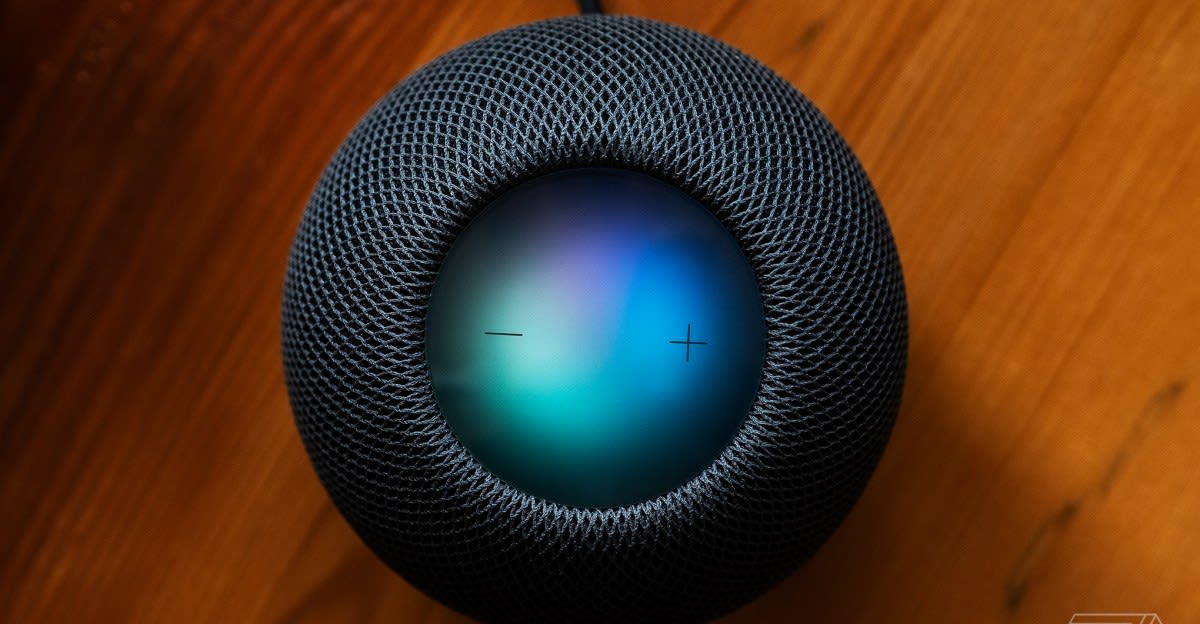
Apple is reportedly preparing to launch a new smart home hub featuring a 7-inch square display by October. The device, which runs on a modified version of tvOS, aims to compete directly with Amazon's Echo Show and Google's Nest Hub.
Apple’s Strategic Pivot into Smart Home Hubs
For years, the smart home market has been dominated by Amazon’s Echo Show and Google’s Nest Hub, leaving a significant gap in Apple’s hardware ecosystem. Recent reports from Bloomberg’s Mark Gurman suggest that Apple is finally preparing to bridge this divide with a new, dedicated home hub device. Expected to launch as early as October, this hardware represents a long-awaited expansion of the Apple smart home portfolio, moving beyond the standalone HomePod and into the realm of screen-based interactive interfaces.
Hardware Design and User Interface
According to the latest intelligence, the device is slated to feature a 7-inch square display. This form factor is highly reminiscent of the current market leaders, prioritizing a compact footprint suitable for kitchen counters, nightstands, or desks. By utilizing a display, Apple is shifting from purely audio-centric voice control toward a more visual, information-rich user experience that facilitates video calls, smart home security monitoring, and media consumption.
Software Foundation: The Role of tvOS
Perhaps the most significant technical detail is the report that the device will utilize a new operating system based on Apple’s existing tvOS. By leveraging the software foundation used in Apple TV, the company can likely ensure a seamless transition for users already embedded in the Apple ecosystem. This choice of OS suggests that the hub will be highly optimized for media streaming and intuitive, app-based interactions, potentially offering a more polished interface than competitors currently provide.
Competitive Implications
Apple's entry into the smart display market poses a direct challenge to the incumbents. While Amazon and Google have established deep roots in the smart home space, Apple’s unique value proposition lies in its privacy-first reputation and deep ecosystem integration. If the device effectively integrates with HomeKit and the broader Apple ecosystem, it could quickly become the preferred central control point for users who prioritize data security and seamless cross-device functionality.
Future Trends and Market Outlook
Looking forward, this launch could signal a broader commitment from Apple to dominate the domestic environment. As AI-driven assistants become more sophisticated, a dedicated piece of hardware with a screen provides the necessary interface for advanced visual computing tasks. If successful, this October release could set a new standard for how users interact with their smart homes, forcing competitors to accelerate their own innovation cycles to keep pace with Apple's hardware-software synergy.