Apple rolls out iOS 27.2 with new Siri AI languages and security fixes
Source Entity
Ivan Mehta, Zack Whittaker
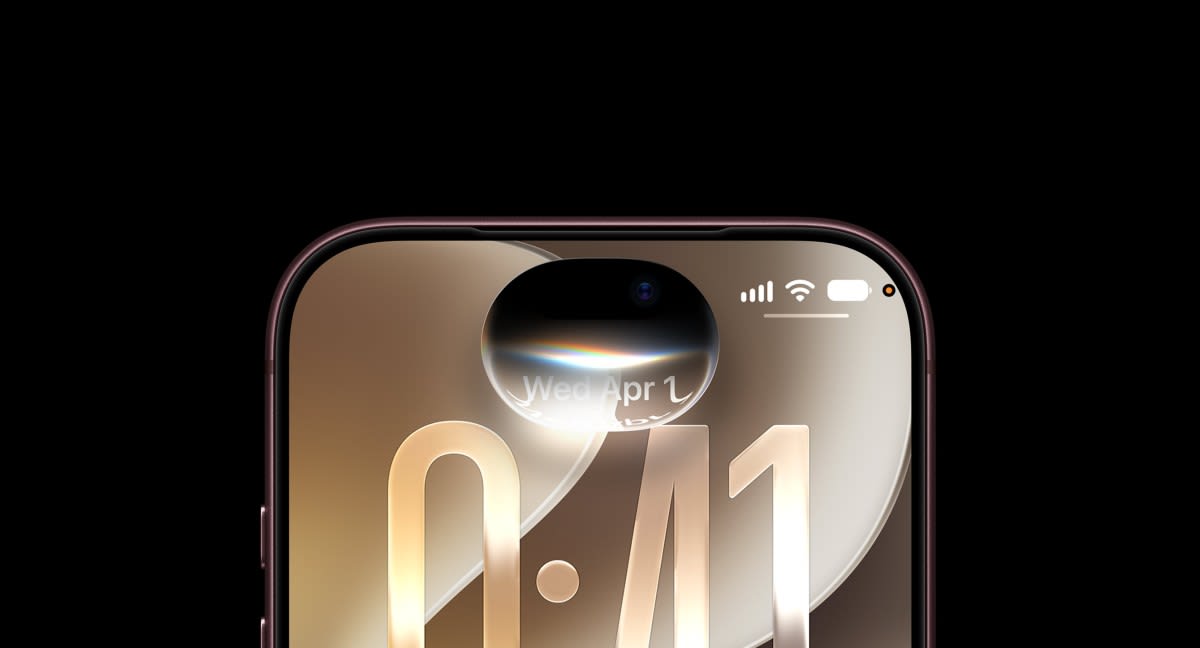
Apple's iOS 27.2 update introduces expanded language support for Siri AI and enhanced contextual memory. The update also adds support for the foldable iPhone Duo and improves message-based suggestions.
Apple Enhances Siri Intelligence with iOS 27.2
Apple has officially released iOS 27.2, a significant software update for iPhones and iPads that marks a major milestone in the evolution of its proprietary artificial intelligence. By expanding the linguistic capabilities of Siri AI and introducing sophisticated memory functions, Apple is positioning its ecosystem to better compete in an increasingly crowded generative AI marketplace. This update reflects a strategic shift toward more personalized, context-aware digital assistance.
Expanding Linguistic Accessibility
One of the most notable features of the iOS 27.2 update is the rollout of Siri AI support for French, Japanese, Korean, Portuguese, and Spanish in beta. By broadening language support, Apple is addressing a critical requirement for global adoption of AI-driven tools. This expansion is essential for maintaining brand loyalty in international markets where users expect seamless interaction with their devices in their native languages, moving beyond the traditional English-only constraints that often plague early-stage AI deployments.
The Shift Toward Contextual Memory
Beyond language, the integration of memory functions allows Siri AI to recall details from past conversations, enabling the assistant to answer with greater accuracy and personal relevance. This capability is a direct response to the competitive landscape shaped by industry peers such as OpenAI, Anthropic, and Google. As these companies refine their own models to recall user preferences and facts, Apple’s move to incorporate similar memory-retention capabilities ensures that Siri remains a competitive and indispensable tool for long-term users.
Hardware Integration and Design
This update is not limited to software improvements; it also includes specific support for the foldable iPhone Duo. The inclusion of Apple Pencil support for this device suggests that Apple is further diversifying its hardware portfolio to accommodate power users who require precision input on flexible screens. This convergence of advanced AI software and unique hardware form factors highlights Apple’s ongoing commitment to high-end, multifunctional mobile computing.
Enhanced Ecosystem Synergy
Finally, iOS 27.2 deepens the integration between Siri and the user’s personal data, specifically through the ability to tap into photos attached in Messages. By allowing the assistant to pull context from multimedia shared within conversations, Apple is creating a more cohesive user experience. This suggests a future trend where AI assistants evolve from simple command-execution tools into comprehensive personal information managers that synthesize data across disparate applications.
Conclusion
In summary, iOS 27.2 represents a calculated step forward in Apple's AI strategy. By focusing on language expansion, contextual memory, and cross-hardware compatibility, Apple is laying the foundation for a more intuitive and responsive digital assistant. As the industry continues to push the boundaries of AI, these incremental updates will likely serve as the bedrock for more complex, proactive user-facing technologies in the coming years.