Fujifilm’s Instax Mini Evo 2 adds a touchscreen and video recording
Source Entity
Jess Weatherbed
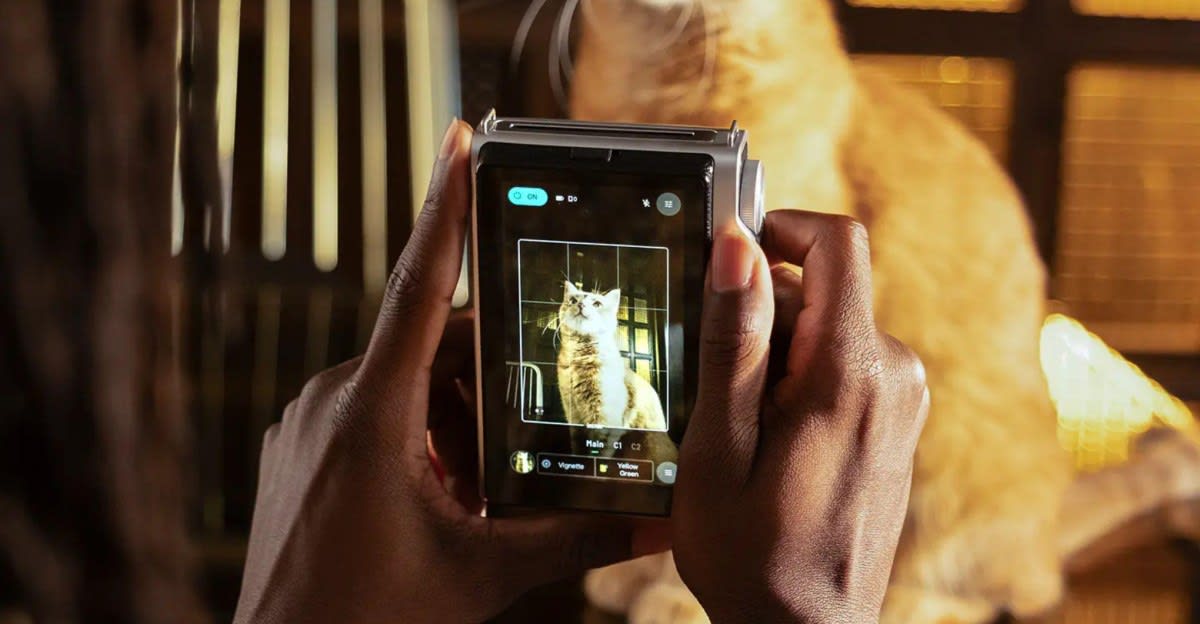
Fujifilm has launched the Instax Mini Evo 2, an upgraded hybrid instant camera featuring a larger sensor and touchscreen controls. The device now includes basic video recording capabilities, blending retro aesthetics with modern digital functionality.
The Evolution of Hybrid Photography: Fujifilm’s Instax Mini Evo 2
Fujifilm continues to redefine the intersection of nostalgic analog charm and modern digital utility with the release of the Instax Mini Evo 2. By positioning this device as a functional digital camera that happens to include a built-in printer, the company is successfully pivoting away from the 'retro gimmick' label that often plagues instant photography. This latest iteration represents a strategic refinement of the hybrid concept, catering to a market that values both the tactile nature of physical prints and the convenience of digital image management.
Technical Upgrades and Sensor Advancements
At the heart of the Mini Evo 2’s performance improvements is a significant hardware shift: the move to a larger 1/2.77-inch sensor, a notable step up from the 1/5-inch sensor found in its predecessor. This change suggests a commitment to improving image clarity and dynamic range, addressing common criticisms of earlier hybrid instant models. By upgrading the sensor, Fujifilm is acknowledging that users expect better image fidelity even when their final output is a small-format instant print.
Enhanced User Experience via Interface Design
User interaction has been streamlined through the introduction of a larger 4.5-inch rear display equipped with touchscreen controls. This shift toward a more modern interface reflects a broader trend in camera design where physical tactile controls—often beloved by retro enthusiasts—are supplemented by intuitive software experiences. This balance is critical for the Instax brand, as it lowers the barrier to entry for younger consumers accustomed to smartphone-style navigation.
The Integration of Limited Video Capabilities
Perhaps the most intriguing addition is the inclusion of basic video recording. While the technical specifications are modest—limited to 560 × 992 pixels at 24FPS without audio—it serves a specific creative purpose: capturing the moments immediately preceding a still photo. By restricting video to the context of the shot, Fujifilm maintains the camera’s identity as a tool for capturing 'moments' rather than long-form content, ensuring the device remains a niche lifestyle product rather than a general-purpose camcorder.
Market Positioning and Future Trends
Looking forward, the Instax Mini Evo 2 signals a potential shift in the instant photography landscape. By separating storage methods—using microSD cards for video clips while maintaining internal storage for photos—Fujifilm is creating a tiered workflow for users. This hybrid model likely heralds a future where 'instant' photography is no longer just about the spontaneity of the film, but also about the digital metadata and short-form media that accompany the physical print. As consumers continue to seek out 'analog' experiences in a digital world, Fujifilm’s strategy of blending these two worlds appears to be a sustainable and highly profitable path forward.