Apple teams up with Klarna to launch a lease-to-own program for iPhones, iPads, and Macs
Source Entity
Lucas Ropek
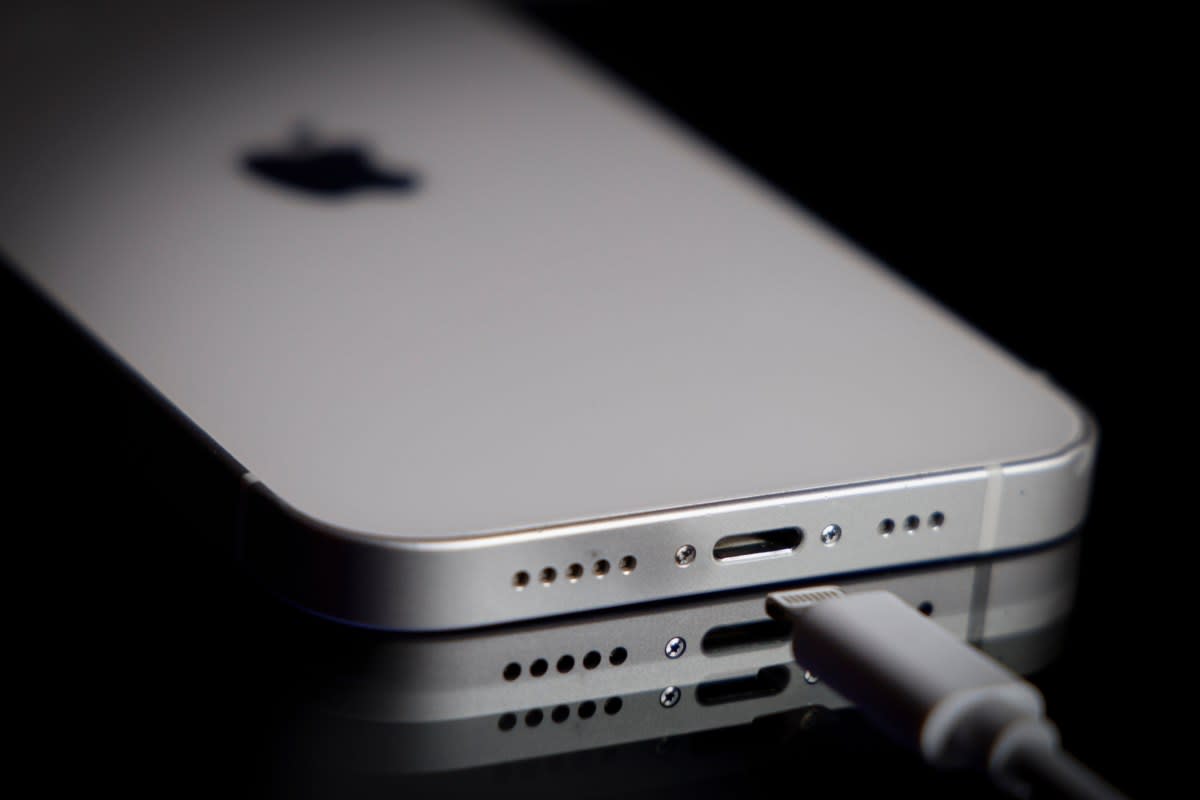
Apple is partnering with Klarna to launch a new 'Apple Upgrade' lease-to-own program for its hardware lineup. This initiative allows consumers to lease iPhones, iPads, Macs, and Apple Watches over multi-year terms with flexible return or upgrade options.
Apple’s Strategic Shift into Lease-to-Own Hardware
Apple is reportedly set to revolutionize its consumer hardware acquisition model through a strategic partnership with the deferred payment processor, Klarna. By launching the 'Apple Upgrade' program, the technology giant is transitioning from a traditional retail-focused sales model toward a service-oriented leasing structure. This move, slated for a July 28 launch, signals a significant evolution in how Apple manages its product lifecycle and customer retention strategies.
Mechanics of the Apple Upgrade Program
The structure of the new program mirrors automotive leasing contracts, providing consumers with unprecedented flexibility. Under this initiative, customers can acquire iPhones, iPads, Macs, and Apple Watches through multi-year agreements. Specifically, iPhones and Apple Watches will feature lease terms of up to 24 months, whereas higher-end devices like Macs and iPads will extend to 36 months. At the conclusion of these periods, consumers are granted the choice to return the device, retain it, or upgrade to the latest hardware iteration.
Addressing Economic Headwinds and Pricing
This shift arrives during a period of significant volatility in the global electronics supply chain. With industry-wide component and RAM shortages driving production costs higher, Apple is facing pressure to raise prices on its flagship products. By introducing a lease-to-own model, Apple effectively lowers the immediate financial barrier to entry for consumers, masking rising retail price tags with manageable monthly installments. This strategy is designed to maintain high adoption rates despite the upward trajectory of hardware costs.
Financial Infrastructure and Risk Management
Central to this program is the partnership with Klarna, which will act as the financial backer. Unlike traditional financing, which often relies on rigorous credit scrutiny, reports indicate that the 'Apple Upgrade' program will utilize a soft credit check. This approach lowers the friction associated with the sign-up process, making Apple's ecosystem more accessible to a broader demographic. However, the mention of potential 'additional fees' for certain transactions suggests that Apple and Klarna are building a tiered risk management framework to protect their margins.
Implications for the Hardware Ecosystem
By replacing existing financing options and the current iPhone Upgrade Program, Apple is consolidating its consumer credit offerings into a single, cohesive brand. This move is not merely about facilitating sales; it is about securing a recurring revenue stream and ensuring that users remain locked into the Apple ecosystem. By encouraging consistent upgrades, Apple ensures that its latest hardware—and the services tied to it—remain in the hands of its users, effectively insulating the company from the churn associated with third-party retailers.
Future Trends and Market Outlook
Looking ahead, the success of the 'Apple Upgrade' program could set a new industry standard for consumer electronics. If Apple successfully mitigates the risks associated with hardware depreciation and logistics, other major tech manufacturers may follow suit. As the lines between hardware ownership and service subscriptions continue to blur, this program represents a pivotal moment in the commoditization of high-end personal technology, shifting the focus from a one-time purchase to a lifelong consumer relationship.