Apple launches its new touchscreen MacBook Pro
Source Entity
Ivan Mehta
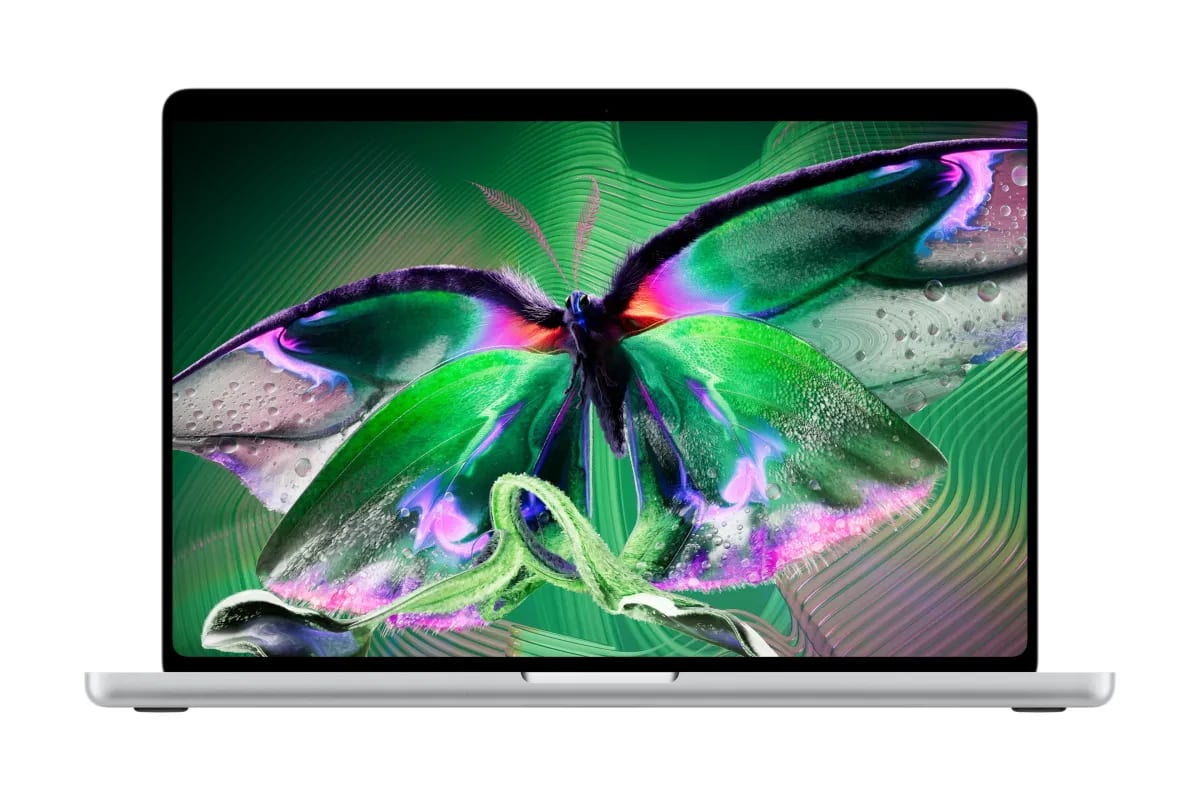
Apple has officially launched its first-ever MacBook Pro featuring a touchscreen display during its 'Pro and tell' event. This release marks a significant strategic shift, overturning years of company resistance to touch-interface laptops.
Apple Breaks Tradition: The Arrival of the Touchscreen MacBook Pro
In a landmark shift for personal computing, Apple has officially unveiled its first MacBook Pro equipped with a touchscreen display. This announcement, made during the company’s "Pro and tell" event, concludes years of internal debate and public skepticism regarding the utility of touch interfaces on professional-grade laptops. The move represents a major pivot in Apple’s hardware philosophy, signaling that the company is finally ready to bridge the gap between its tablet and laptop ecosystems.
A Week of Rapid Innovation
The launch was the culmination of a remarkably busy week for Apple, which began with the introduction of an upgraded iPad Mini featuring an OLED display. Following this, the company quietly refreshed its iMac and standard MacBook Pro lineup with the new M6 chipsets on Tuesday. By separating these iterative hardware updates from the "Pro and tell" event, Apple successfully cleared the stage to focus entirely on the debut of the touchscreen MacBook, ensuring it remained the undisputed star of the show.
Overcoming Historical Resistance
For over a decade, Apple was arguably the most vocal critic of touchscreen laptops. The company’s stance was famously articulated by Steve Jobs in 2010, who labeled such designs as "ergonomically terrible," and later by CEO Tim Cook in 2012, who compared the convergence of tablets and laptops to merging a "toaster and a refrigerator." These comments defined Apple's design language for years, positioning the iPad as the primary touch-interface device and the Mac as the traditional productivity powerhouse.
The Failure of the Touch Bar
Apple’s previous attempt to bridge this divide—the Touch Bar—met with mixed results. Introduced in 2016 as a replacement for physical function keys, the feature was intended to provide context-sensitive controls. However, it failed to gain widespread favor with professional users. By 2021, Apple began reverting to physical function keys, and the Touch Bar was eventually discontinued in 2023. This history highlights the difficulty Apple faced in finding a touch implementation that met its high standards for user experience.
Broader Market Implications
This launch follows a series of recent experimental hardware releases, including the HomeView smart display and the foldable iPhone Duo. These products suggest a broader trend of Apple experimenting with new form factors to maintain market dominance. The introduction of a touchscreen MacBook is likely to force competitors to reassess their own premium laptop offerings, while simultaneously forcing Apple to optimize macOS for touch input—a task that will have long-term implications for software developers and creative professionals.
Future Outlook
As Apple moves forward with this new design, the industry will be watching closely to see how the software ecosystem adapts. By integrating touch into the MacBook Pro, Apple is acknowledging that modern computing is no longer strictly tethered to the trackpad and keyboard. While the company once resisted this convergence, the evolution of its product lineup suggests that the future of the Mac will be defined by a hybrid interface that balances traditional power with modern, tactile interactivity.
Multiple Citing Sources