Apple refreshes the iMac, entry-level MacBook Pro with the M6 chip
Source Entity
Samuel Axon
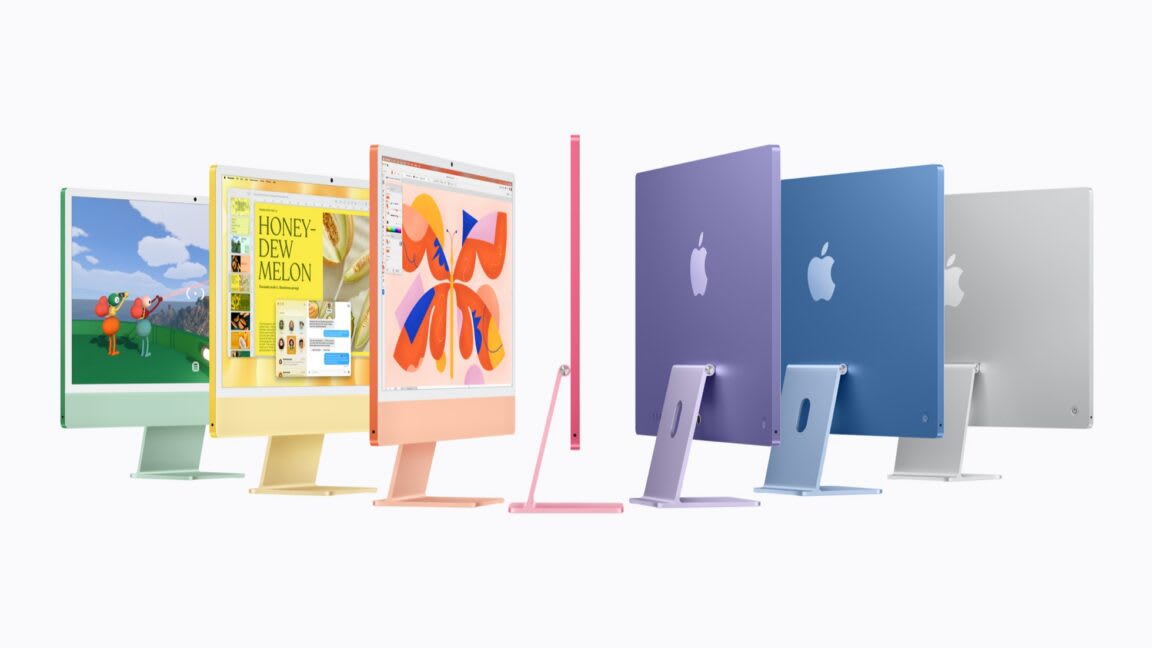
Apple has refreshed its iMac and 14-inch MacBook Pro lineup with the new 2nm M6 chip. These updates bring significant performance gains, increased memory options, and advanced connectivity via Wi-Fi 7 and Bluetooth 6.
Apple Unveils M6-Powered iMac and MacBook Pro Refresh
Apple has officially announced a significant hardware refresh for its desktop and laptop lineup, bringing the M6 chip to the iMac and the entry-level 14-inch MacBook Pro. Following its debut in the Mac mini several weeks ago, the M6 processor represents a major leap in Apple’s silicon strategy, moving to a 2nm architecture that emphasizes both efficiency and raw computational power.
Architectural Advancements in the M6 Chip
The M6 processor is a notable evolution, featuring a 12-core CPU and 12-core GPU configuration. Compared to its predecessor, the M5, the M6 delivers up to 1.2x faster multithreaded performance. This performance gain is complemented by the inclusion of the N1 chip, which introduces cutting-edge connectivity standards such as Wi-Fi 7 and Bluetooth 6, ensuring these machines are future-proofed for high-bandwidth wireless environments.
iMac Configuration Options
Apple has segmented the iMac lineup into two distinct M6 tiers. The base model, featuring two Thunderbolt ports, comes with a 10-core CPU and 10-core GPU, supporting up to 24GB of RAM and 1TB of storage. For more demanding users, the four-port variant scales to 12-core CPU and GPU counts, with memory capacity reaching 32GB and storage options extending to 2TB. This refresh is particularly impactful for the iMac, which skipped an M5 generation update after its previous M4 iteration.
MacBook Pro Performance Focus
The 14-inch MacBook Pro receives a spec bump focused on professional creative workflows. Equipped with the 12-core M6 configuration, the device supports up to 32GB of RAM and 4TB of storage. Designed with software developers, video editors, and AI researchers in mind, the machine is marketed for its next-level AI capabilities and a CPU core that Apple claims is the fastest in the world. The GPU also sees a marked improvement, offering up to 30 percent faster performance compared to previous generations.
Broader Implications and Strategic Shift
By integrating the M6 across the Mac mini, iMac, and entry-level MacBook Pro, Apple is standardizing its 2nm architecture across its consumer and professional entry points. This strategy effectively lowers the barrier for users to access high-end creative performance. Furthermore, the accompanying updates to the Creator Studio suite indicate that Apple is leaning heavily into AI-driven workflows, ensuring that hardware improvements are matched by software optimizations.
Future Trends and Market Outlook
As Apple moves deeper into the 2nm process node, the focus remains on balancing power consumption with the rising demands of on-device AI. The rapid transition from M4 to M6 suggests a faster hardware refresh cadence, likely aimed at maintaining a competitive edge in the laptop and desktop market. With these updates, Apple is clearly positioning its hardware as the primary vehicle for the next generation of AI-integrated professional software.
Multiple Citing Sources