Apple refreshes the iMac with M6 chips
Source Entity
Jess Weatherbed
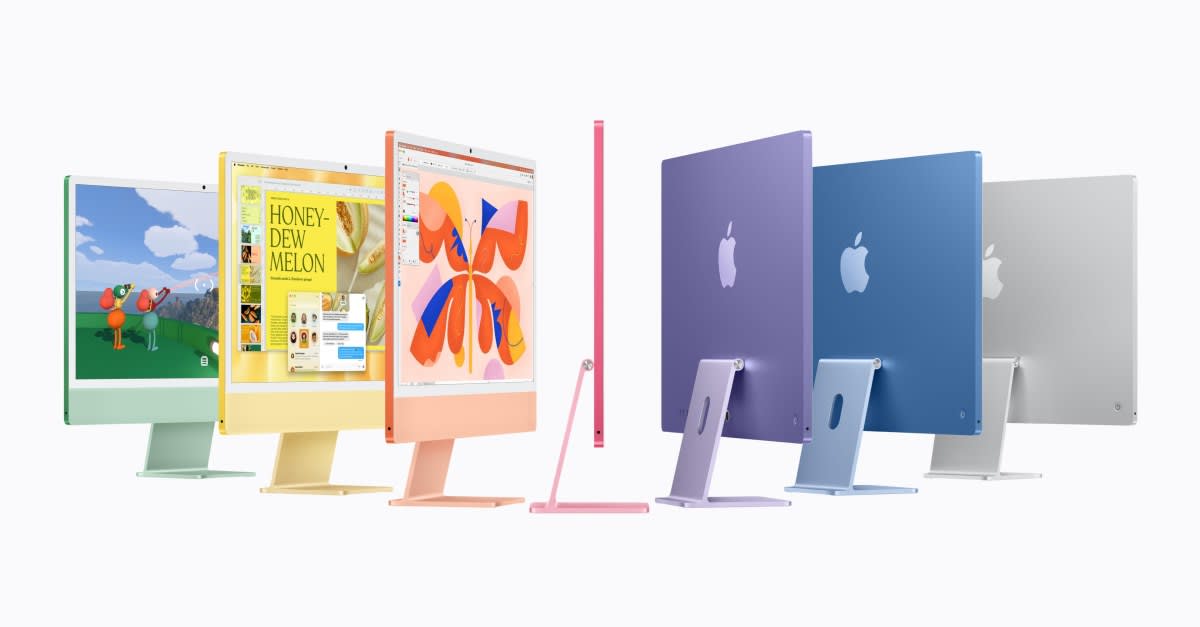
Apple has refreshed its iMac and 14-inch MacBook Pro lineup by integrating the new 2nm M6 chip. These updates offer improved CPU/GPU performance, upgraded connectivity, and enhanced on-device AI capabilities.
Apple Expands M6 Silicon Integration Across Desktop and Mobile Lines
Apple has officially initiated a significant hardware refresh, bringing its latest M6 silicon to both the iMac all-in-one desktop and the entry-level 14-inch MacBook Pro. This move, which follows the initial debut of the M6 chip in the Mac Mini this past August, signals a strategic shift in Apple’s silicon roadmap, specifically by bypassing the M5 generation for the iMac entirely to provide a more substantial performance leap for users.
Architectural Advancements: The 2nm Shift
At the core of this update is the M6 processor, Apple’s inaugural 2nm chip. This transition to a more advanced manufacturing process represents a critical milestone in semiconductor efficiency and density. The chip features a dual 16-core Neural Engine designed specifically to accelerate on-device artificial intelligence tasks, positioning these devices to better handle the growing demands of machine learning workflows without relying solely on cloud-based processing.
iMac Configuration and Performance Tiers
For the iMac, Apple has implemented a tiered strategy based on the M6 chip. Consumers can choose between a version with two Thunderbolt ports—featuring a 10-core CPU and 10-core GPU—or a higher-end variant with four Thunderbolt ports, which upgrades the configuration to a 12-core CPU and 12-core GPU. Memory and storage limits are also scaled accordingly, with the four-port model supporting up to 32GB of RAM and 2TB of internal storage.
MacBook Pro Entry-Level Refresh
The entry-level 14-inch MacBook Pro also receives a notable spec bump. By transitioning from the M5 to the M6, Apple claims a 1.2x increase in multithreaded performance. Unlike the iMac, the entry-level MacBook Pro is offered with a single, high-performance variant of the M6 chip featuring 12 CPU and 12 GPU cores. This model retains its ability to support up to 4TB of storage, maintaining its position as a professional-grade entry point for users requiring high-speed data capacity.
Connectivity and Future-Proofing
Beyond raw processing power, the integration of the N1 chip—which accompanies the M6 architecture—brings modern connectivity standards to the forefront. These machines now feature Wi-Fi 7 and Bluetooth 6, ensuring that the new hardware is compatible with the latest networking infrastructure. This move is essential for maintaining long-term relevance in an increasingly connected digital environment.
Conclusion and Market Implications
By launching these updates just prior to the "Pro and Tell" event, Apple is effectively streamlining its product portfolio before the end-of-year sales cycle. This refresh serves to unify the performance capabilities of the desktop and portable lineups under a single architecture. With the iMac starting at $1,499, Apple is banking on the combination of 2nm efficiency and on-device AI readiness to drive upgrades for users who have been waiting since the M4 generation.
Multiple Citing Sources