We’ve had touchscreen laptops for years. Can Apple make them better?
Source Entity
Antonio G. Di Benedetto
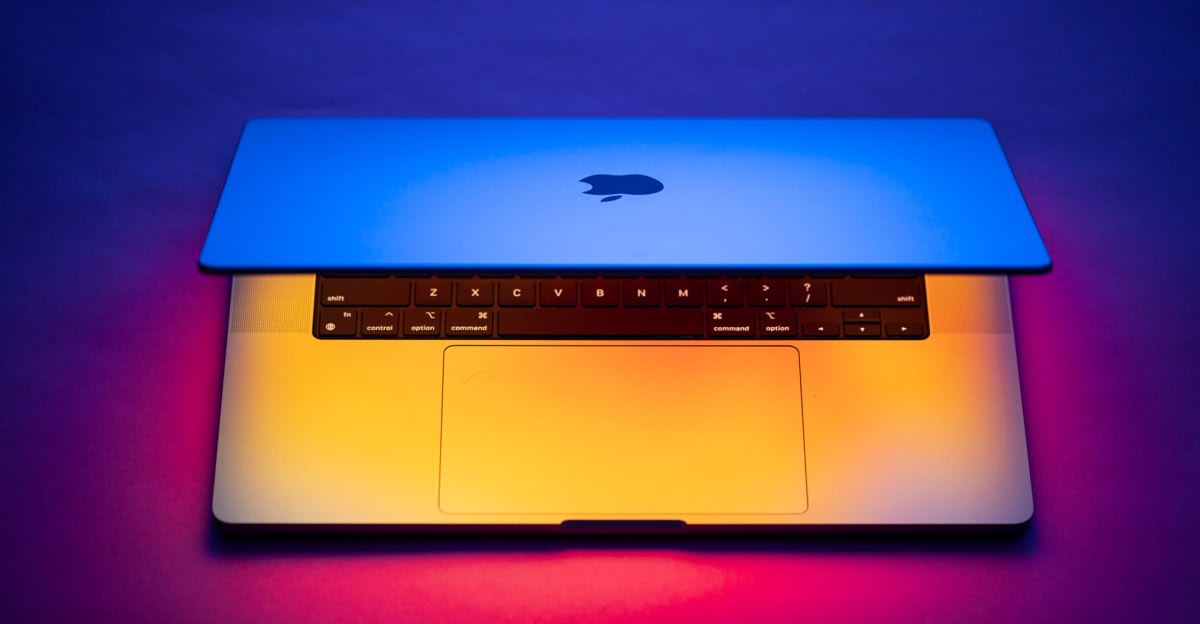
Apple is expected to break its long-standing opposition to touchscreen laptops at the upcoming 'Pro and Tell' event. This shift marks a significant departure from the company's historical stance that vertical touchscreens are ergonomically flawed.
The Impending Shift in Apple's Hardware Philosophy
For over a decade, Apple has maintained a rigid stance against integrating touchscreens into its MacBook lineup. This resistance was rooted in the company's early design philosophy, famously articulated by Steve Jobs in 2010, who argued that vertical touch surfaces are "ergonomically terrible." This sentiment was echoed by CEO Tim Cook in 2012, who famously dismissed the concept as akin to merging a toaster with a refrigerator, suggesting that such hybrid devices often compromise the utility of both.
The Historical Stance Against Touch
The technological landscape has long been populated by Windows-based laptops featuring touch capabilities, yet Apple remained steadfastly committed to its trackpad-and-keyboard interface. The company’s previous attempt to bridge this gap, the MacBook Pro Touch Bar, served as a compromise that ultimately failed to gain widespread developer or user support. By restricting touch to a small, secondary strip above the keyboard, Apple attempted to innovate without violating its core design tenets, but the market response suggested users wanted more direct interaction with the primary display.
Why the 'Pro and Tell' Event Matters
The rumored announcement of a touchscreen MacBook at the upcoming "Pro and Tell" event represents a massive pivot in corporate strategy. If Apple moves forward with this, it signals that the company has finally reconciled its ergonomic concerns with the modern user's demand for intuitive, touch-based navigation. This change could redefine the standard for premium laptops, forcing the industry to reconsider how operating systems like macOS can be optimized for both traditional cursor input and direct tactile manipulation.
Implications for macOS and User Workflow
Integrating a touchscreen into a MacBook is not merely a hardware addition; it requires a fundamental rethink of the macOS user interface. Apple's desktop environment has been meticulously designed for precision clicks and keyboard shortcuts. A transition to touch will likely necessitate a more adaptive interface that recognizes the difference between mouse pointer accuracy and the broader touch targets required for human fingers, potentially leading to a more unified experience across Apple's ecosystem.
Future Trends in Computing
Looking forward, this move could signal the end of the strict divide between tablet and laptop hardware. As Apple potentially bridges this gap, we may see a future where the distinction between an iPad Pro and a MacBook becomes increasingly blurred in terms of functionality. If Apple can succeed where others have struggled—by providing a superior, ergonomic implementation of a touchscreen laptop—it could set a new benchmark that competitors will be forced to emulate, effectively ending the era where touchscreen laptops were considered a niche or secondary computing category.