AAP’s Arvind Kejriwal launches online campaign against E20 petrol, seeks fuel choice for consumers
Source Entity
Latest News: Today's Latest News Headlines from India & World | Hindustan Times | Hindustan Times
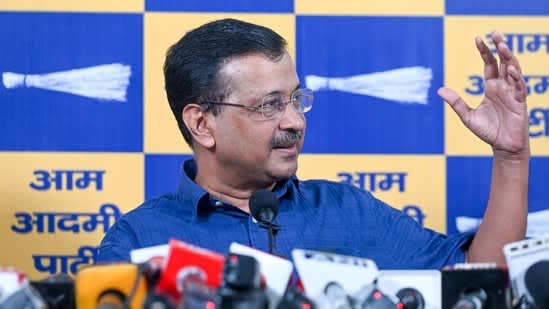
Arvind Kejriwal of the AAP has launched an online campaign against E20 petrol, advocating for consumer choice at the pump.
Analysis of AAP's Campaign Against Mandatory E20 Petrol
Arvind Kejriwal, the leader of the Aam Aadmi Party (AAP), has initiated a targeted online campaign challenging the mandatory implementation of E20 petrol in India. The core of the campaign is the demand for "consumer choice," arguing that motorists should not be forced to use ethanol-blended fuel if their vehicles are not specifically designed for it. This move signals a strategic attempt to highlight the practical grievances of vehicle owners against the government's rapid transition toward high-percentage biofuel blends.
Understanding the E20 Transition
To understand the gravity of this campaign, it is essential to analyze what E20 petrol entails. E20 is a fuel blend consisting of 20% ethanol and 80% gasoline. The Indian government has aggressively pushed for this transition to reduce the country's heavy reliance on crude oil imports, thereby saving significant foreign exchange reserves and supporting the domestic sugar and grain industries. While the overarching environmental objective is to lower carbon emissions and promote sustainable energy, the transition is not seamless for all automotive hardware currently on the road.
The Technical Conflict: Engine Compatibility
The primary point of contention in Kejriwal's campaign revolves around engine compatibility and the potential for mechanical failure. Many older vehicles—and even some newer models not specifically certified for high ethanol blends—can suffer from corrosion in fuel lines, gaskets, and engine components. This is due to ethanol's hygroscopic nature, meaning it absorbs water from the atmosphere, which can lead to phase separation and engine stalling. By advocating for "choice at the pump," AAP is tapping into the fear that a mandatory rollout could lead to increased maintenance costs and reduced engine longevity for the average citizen.
Political Strategy and Consumer Rights
From a political standpoint, this campaign serves as a classic AAP maneuver: framing a technical policy issue as a matter of "common man" (Aam Aadmi) rights. By focusing on the lack of choice, Kejriwal is positioning his party as a defender of the consumer against a perceived overreach by the central government. This allows the party to bridge the gap between environmentalism and economic pragmatism, appealing to a wide demographic of vehicle owners across different socio-economic strata who may feel ignored by top-down policy mandates.
Balancing Macro-Economic Goals with Micro-Economic Realities
This conflict highlights the tension between macro-economic goals and micro-economic realities. On one hand, the shift to E20 is a strategic necessity for India's energy security and its international climate commitments. On the other hand, the lack of a parallel supply of non-blended or lower-blended fuel forces a "one size fits all" approach that may unfairly penalize those who cannot afford to upgrade their vehicles. The campaign emphasizes that the transition to green energy should not come at the expense of the consumer's financial stability or vehicle reliability.
Future Trends and Potential Policy Shifts
Looking forward, this campaign may pressure the government to introduce "tiered" fuel options or provide clearer guidelines and subsidies for vehicle modifications. If the campaign gains significant traction online, it could force a public dialogue on the transparency of the E20 rollout. It is likely that we will see a push for more rigorous labeling at fuel stations and a demand for the government to provide a concrete roadmap for those whose vehicles are incompatible with the new standards.
Conclusion
In summary, Arvind Kejriwal's campaign against the mandatory use of E20 petrol is more than just a fuel dispute; it is a demand for consumer agency in the face of rapid policy shifts. While the transition to ethanol blends is a logical step for national energy independence, the AAP's intervention underscores the importance of ensuring that such transitions are inclusive and do not unfairly burden the end-user. The outcome of this campaign will likely determine how India balances its ambitious green energy targets with the practical needs of its massive automotive population.
Verification Required?