Indian Army Rescues Over 200 From Assam Floods Under 'Operation Jal Rahat'
Source Entity
NDTV News Search Records Found 1000
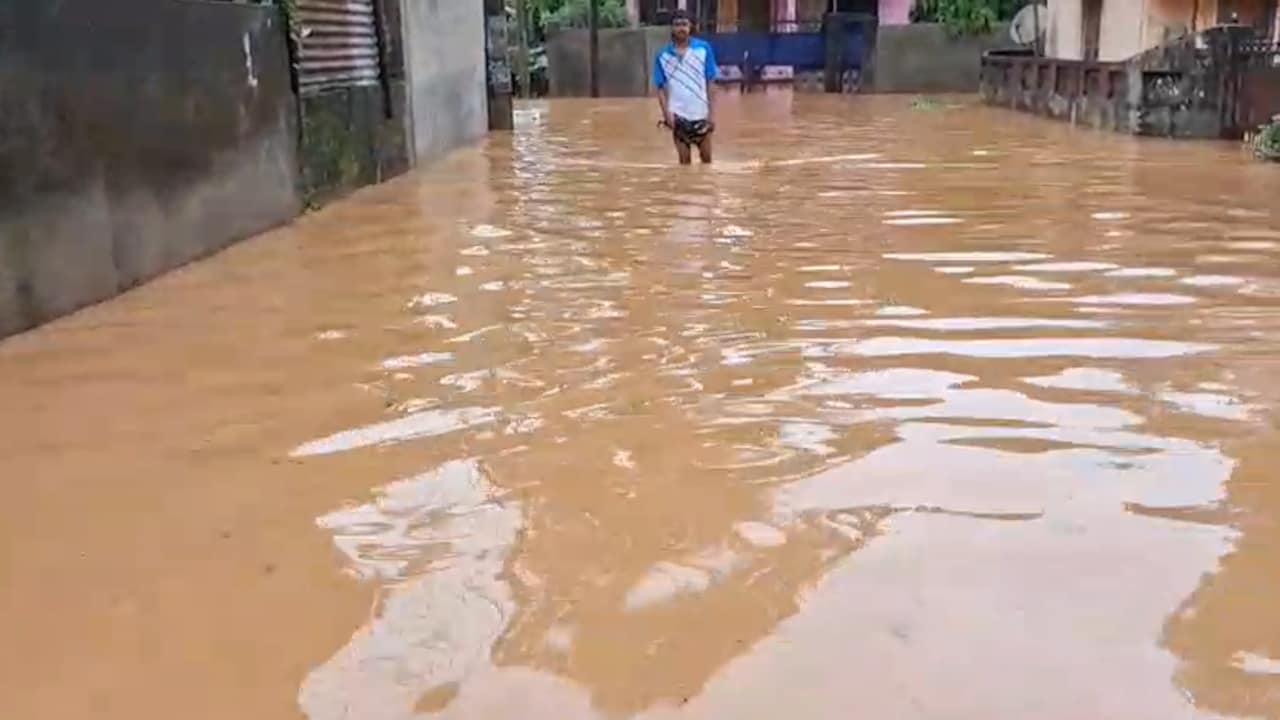
Assam's flood situation has slightly improved, with affected districts decreasing to 11, though the death toll has risen to 11. The Indian Army continues 'Operation Jal Rahat' to provide critical relief and rescue to those stranded in affected areas.
The Ongoing Crisis in Assam: An Analysis of Current Flood Conditions
Current Situation and Impact
As of July 21, 2026, the flood situation in Assam has shown signs of marginal improvement, yet the human cost of the disaster continues to mount. Recent data from the Assam State Disaster Management Authority (ASDMA) indicates that while the number of affected districts has decreased from 16 to 11, the death toll has sadly risen to 11. This escalation in fatalities, specifically following a recent death in the Charaideo district, underscores the persistent danger posed by the rising waters despite the slight easing of the overall crisis.
The Scale of Displacement and Infrastructure Stress
With approximately 3.13 lakh people still affected, the logistical challenge for disaster management teams remains significant. The concentration of the disaster in Sivasagar, Charaideo, and Jorhat highlights the vulnerability of these specific regions to the state's complex hydrological landscape. The establishment of 52 relief camps providing shelter to over 12,700 individuals demonstrates the immediate need for sustained humanitarian support and the strain placed on local infrastructure during these recurring natural events.
The Role of 'Operation Jal Rahat'
In response to the crisis, the Indian Army has mobilized 'Operation Jal Rahat' to conduct large-scale rescue operations. The evacuation of 9,160 people by boat highlights the critical role of military intervention in reaching inaccessible areas where civilian infrastructure has been compromised. This operation is not merely a reactive measure but a vital component of the state's survival strategy during monsoon-related disasters.
Urban Vulnerability: The Guwahati Case
Beyond the rural districts, the emergence of urban flooding in Guwahati, specifically in areas like Satgaon and Sawkuc, signals a broader concern regarding urban planning and drainage capacity. As climate patterns become more erratic, the inability of city infrastructure to handle intense rainfall events poses a growing threat to economic hubs, necessitating a shift toward more resilient urban development policies.
Broader Implications and Future Trends
Looking forward, the recurring nature of these floods necessitates a comprehensive review of long-term mitigation strategies. The transition from 16 affected districts to 11 is a positive trend, but the underlying susceptibility of these regions suggests that without enhanced flood-control infrastructure and proactive disaster management, the state will continue to face similar cycles of displacement and loss of life. Future efforts must prioritize early warning systems and more robust, climate-resilient construction to protect the vulnerable populations of Assam.
Multiple Citing Sources
Verification Required?