Children Were Shouting 'Save Us': Eyewitness Recalls Assam Bus-Truck Crash
Source Entity
NDTV News Search Records Found 1000
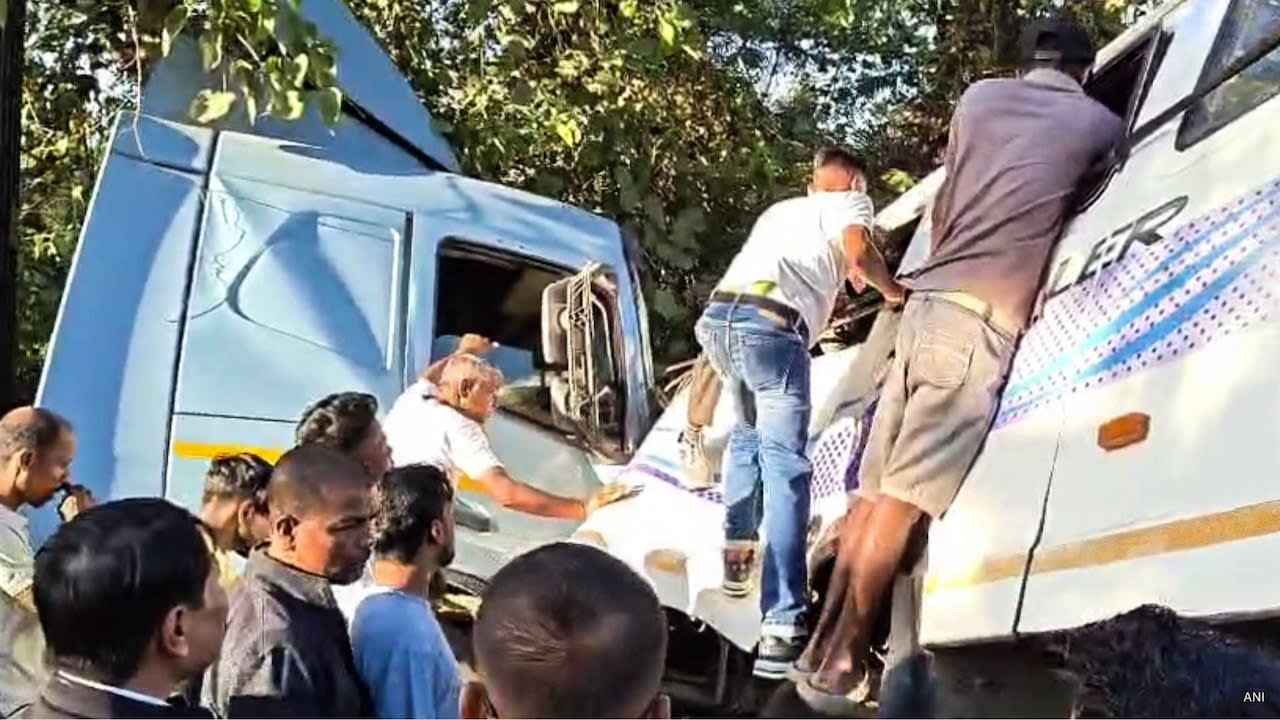
Authorities have arrested the owner of a minibus involved in a fatal crash near Kaziranga National Park that claimed 26 lives. The tragedy has sparked political demands for improved highway infrastructure and enhanced victim compensation.
The Tragic Aftermath of the Kaziranga Minibus Collision
A devastating traffic accident near Kaziranga National Park in Assam’s Golaghat district has resulted in the tragic loss of 26 lives, including college students and the vehicle's driver. The incident, which occurred on November 13, 2026, has left 15 survivors in critical condition across hospitals in Jorhat and Golaghat. This catastrophic event has cast a spotlight on the intersection of vehicle safety compliance, public infrastructure, and the accountability of private transport operators.
Arrest and Allegations of Negligence
Following the crash, police apprehended Anjir Ali, the owner of the minibus, in the Nagaon district. Preliminary investigations have uncovered disturbing allegations regarding the vehicle's operation. Authorities suspect that Ali intentionally tampered with the minibus’s mandatory speed regulator. The motive behind such an alteration is believed to be financial; by bypassing safety limits, the owner allegedly sought to increase the frequency of trips, prioritizing profit margins over the safety of passengers.
Infrastructure and Safety Concerns
The accident has reignited long-standing debates regarding the condition of National Highway-715. Assam Congress leader Debabrata Saikia has formally written to Prime Minister Narendra Modi, characterizing the state of the highway as deplorable. Saikia’s concerns extend beyond the immediate crash, pointing toward a systemic neglect of road design, maintenance, and traffic management in the region. The call for an urgent audit of highway safety measures underscores the growing frustration among local stakeholders regarding infrastructure standards.
The Human Cost and Political Response
Beyond the immediate investigation, the tragedy has prompted a significant political response. Saikia has urged the central government to provide enhanced financial compensation for the families of the deceased and to ensure that the 15 injured survivors receive comprehensive medical treatment at no cost. Furthermore, the request for livelihood assistance for the bereaved families highlights the long-term economic impact such accidents have on rural communities, where the loss of breadwinners can lead to generational poverty.
Eyewitness Accounts and Emergency Readiness
Eyewitness reports from the scene have added a harrowing dimension to the investigation, with accounts of children shouting for help emphasizing the urgency of the moment. These testimonies have raised critical questions regarding the efficacy of existing emergency response arrangements in the vicinity of Kaziranga. The perceived delay or inadequacy in rescue efforts is now a focal point of the broader public inquiry into how such a high-traffic area is managed during crises.
Future Implications for Road Safety
This incident serves as a grim case study for the necessity of stricter enforcement of transport laws in India. If the allegations of speed regulator tampering are proven in court, it will likely lead to calls for more rigorous vehicle inspections and stricter liability laws for fleet owners. As the investigation continues, the focus remains on whether this tragedy will catalyze a permanent improvement in the safety infrastructure of Assam’s major transit corridors or if it will remain a cautionary tale of regulatory failure.
Multiple Citing Sources
Verification Required?