Hurdles before Assam-Nagaland border oil exploration | Explained
Source Entity
India Latest News: Top National Headlines Today & Breaking News | The Hindu
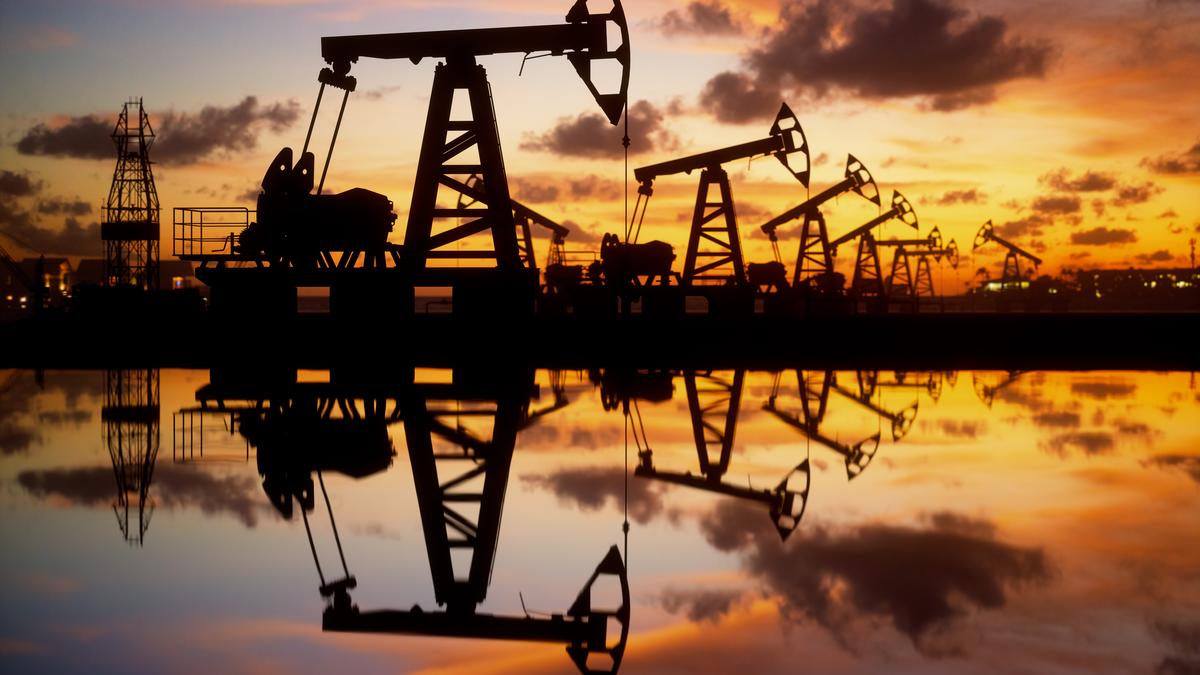
Oil exploration efforts on the Assam-Nagaland border are currently stalled as local tribe-based organizations and extremist groups demand the resolution of long-standing interstate border disputes and the Indo-Naga political conflict before allowing extraction to resume.
The Intersection of Energy Security and Ethnic Identity: Oil Exploration on the Assam-Nagaland Border
The pursuit of energy independence often clashes with complex grassroots political realities, a phenomenon currently playing out on the volatile border between Assam and Nagaland. The recent reports indicate a significant deadlock: oil majors are unable to proceed with exploration and extraction activities due to fierce opposition from extremist groups and traditional tribe-based organizations. This standoff is not merely a commercial dispute over land rights but is deeply embedded in a historical struggle for territorial sovereignty and political recognition.
The Complexities of the Interstate Border Dispute
At the heart of the resistance is the protracted border dispute between the states of Assam and Nagaland. For decades, the boundary between these two states has been a flashpoint for violence and political maneuvering. The lack of a mutually agreed-upon demarcation means that land intended for oil exploration is often claimed by both states or contested by local tribal councils. For the traditional organizations in Nagaland, allowing the central government or corporate entities to extract resources from contested land is viewed as a tacit acceptance of current boundaries, which they believe may be detrimental to their ancestral land claims.
The Shadow of the Indo-Naga Political Issue
Beyond the interstate border friction lies the broader and more systemic "Indo-Naga political issue." This refers to the long-standing demand for Naga sovereignty and the vision of 'Greater Nagalim,' which seeks to unite all Naga-inhabited areas into a single political entity. Because the oil-rich zones often overlap with these claimed territories, any industrial activity is seen through the lens of political legitimacy. Extremist factions argue that no resource extraction should occur until a final political settlement is reached with the Government of India, fearing that the economic development of the region under current administrative terms would undermine their leverage in peace negotiations.
Economic Risks and the Hesitation of Oil Majors
For oil majors, the operational risks in this region are prohibitive. Oil exploration requires massive capital expenditure and long-term stability to be viable. The threat of sabotage, protests, and the lack of clear land titles create a high-risk environment that deters investment. When tribe-based organizations demand a resolution to political issues before extraction begins, they are essentially leveraging the region's natural wealth as a bargaining chip. This creates a paradox where the very resources that could bring economic prosperity to the local population are held hostage to the resolution of high-level political conflicts.
The Role of Traditional Tribal Governance
It is crucial to understand the influence of traditional tribe-based organizations in Nagaland. Unlike many other parts of India, traditional tribal councils hold significant sway over land ownership and community decisions. Their opposition is not just a political stance but a reflection of the cultural imperative to protect ancestral lands. These organizations act as the primary intermediaries between the people and the state; therefore, any attempt by the central government to bypass these local bodies in favor of direct corporate deals is likely to meet with stiff resistance and potential unrest.
Broader Implications and Future Trends
Looking forward, the resolution of this impasse will require a multi-tiered diplomatic approach. The Indian government cannot simply apply administrative pressure; it must synchronize the border demarcation process with the ongoing Naga peace talks. There is a growing trend toward "benefit-sharing" models where local communities receive a direct percentage of royalties, which may eventually soften the opposition. However, until the fundamental questions of identity and territory are answered, the oil reserves in the Assam-Nagaland border region will likely remain untapped.
Summary
In conclusion, the hurdles facing oil exploration in the Assam-Nagaland border region are a microcosm of the larger challenges facing Northeast India. The deadlock is a result of the collision between national economic imperatives and local aspirations for political autonomy. Until the interstate border dispute is settled and a comprehensive agreement is reached on the Indo-Naga political issue, the region's energy potential will continue to be eclipsed by its complex geopolitical volatility.
Verification Required?