Austrian man who visited India for 22 years lists what got worse: ‘People got richer. Their diets got poorer’
Source Entity
Latest News: Todays Latest News Headlines from India & World | Hindustan Times | Hindustan Times
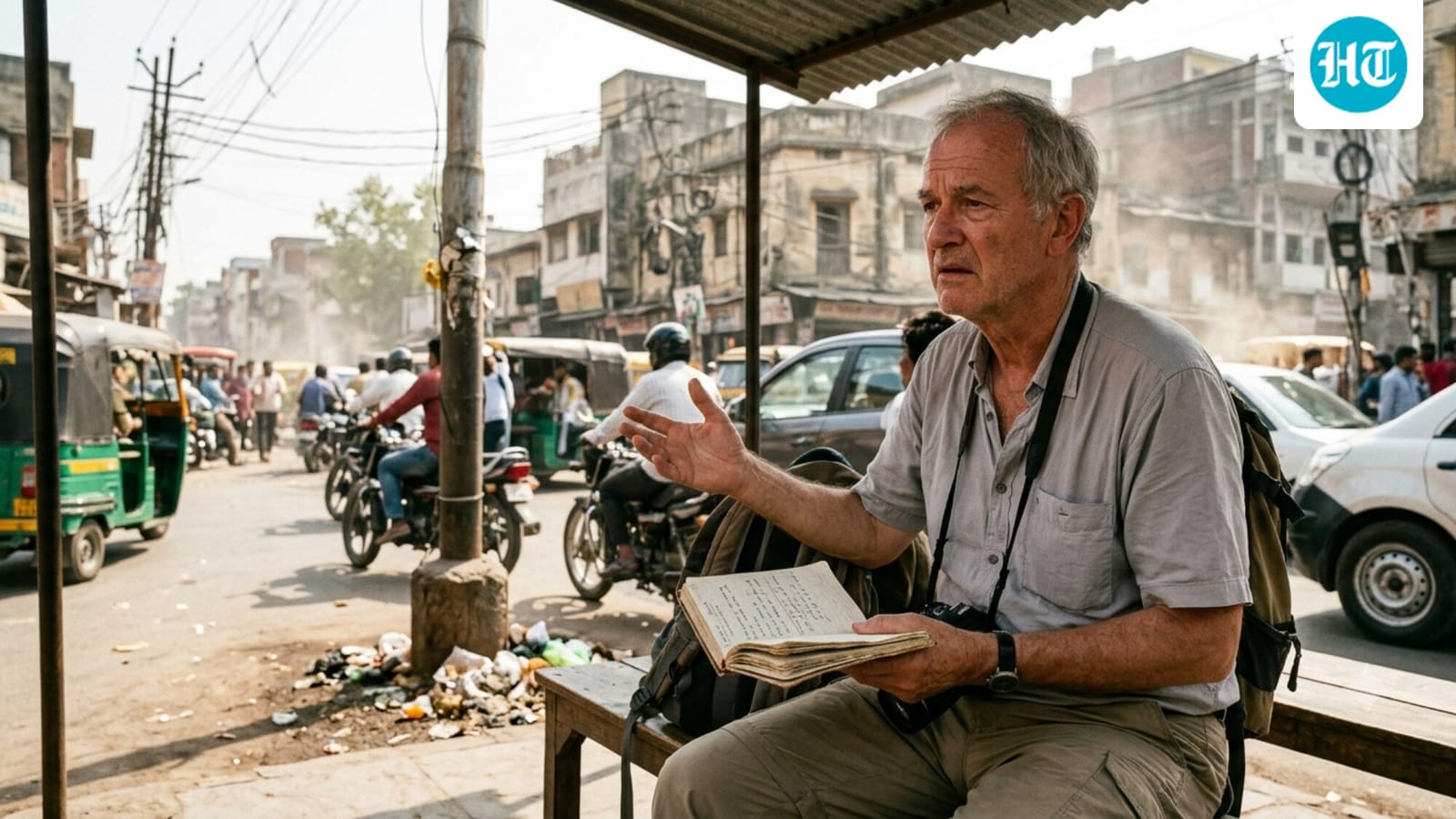
A long-term Austrian visitor to India, Wolfgang Bergthaler, has highlighted concerns regarding the country's rapid development. His observations focus on declining environmental quality, shifts in dietary habits, and the erosion of traditional social values.
The Dual-Edged Sword of India's Economic Ascent
Wolfgang Bergthaler, an Austrian traveler with over two decades of experience navigating India, has sparked a nuanced conversation regarding the country's rapid modernization. His recent observations, shared via LinkedIn, provide a critical counter-narrative to the prevailing optimism surrounding India's economic growth. While he acknowledges the vast business potential and wealth-creation opportunities currently defining the nation’s trajectory, his perspective serves as a sobering reminder of the externalities often associated with hyper-growth.
The Environmental Cost of Development
At the forefront of Bergthaler’s concerns is the degradation of basic environmental standards. He specifically identifies the decline in air and water quality as a significant regression over his 22-year tenure. This aligns with broader global discourse regarding the environmental impact of rapid industrialization and urban expansion in developing economies. As infrastructure projects proliferate to accommodate a booming population, the preservation of natural resources often takes a backseat, leading to the systemic pollution issues Bergthaler highlights.
Dietary Shifts and the Paradox of Progress
Perhaps the most poignant observation made by the Austrian visitor is the shift in dietary habits. He notes that while the populace has become wealthier, their nutritional intake has worsened. This observation mirrors the 'nutritional transition' frequently studied by global health experts, where rising incomes often lead to an increased reliance on processed, unhealthy foods rather than traditional, organic diets. This shift carries long-term public health implications, potentially burdening the healthcare system with lifestyle-related illnesses.
Social Fabric and the Transactional Shift
Beyond the physical landscape, Bergthaler critiques the evolving nature of social interactions in India. He observes an increase in the influence of social media and a shift toward increasingly transactional relationships. This suggests that as the country pivots toward a more digitized and market-driven society, the communal and private aspects of Indian life—which have historically been central to its cultural identity—are being reshaped by the pressures of a modern, fast-paced economy.
Future Trends and the Need for Balanced Growth
Looking ahead, Bergthaler’s critique underscores the critical need for sustainable development models. If India is to maintain its status as a global economic powerhouse while preserving the quality of life for its citizens, it must address the 'uncomfortable thoughts' raised by long-term observers. Balancing the endless business opportunities with the protection of privacy, clean air, and wholesome nutrition will be essential for ensuring that the nation's progress is equitable and sustainable in the long run.
Conclusion
In summary, Wolfgang Bergthaler’s reflection on two decades of travel provides a valuable, albeit critical, lens through which to view India's transformation. By juxtaposing economic success with the erosion of lifestyle and environmental standards, he highlights a challenge faced by many emerging markets: how to grow without losing the fundamental qualities that define a healthy, functioning society.
Verification Required?