Qatar warns Trump’s Iran sanctions could harm the entire region, urges diplomacy | Hormuz
Source Entity
Latest News: Todays Latest News Headlines from India & World | Hindustan Times | Hindustan Times
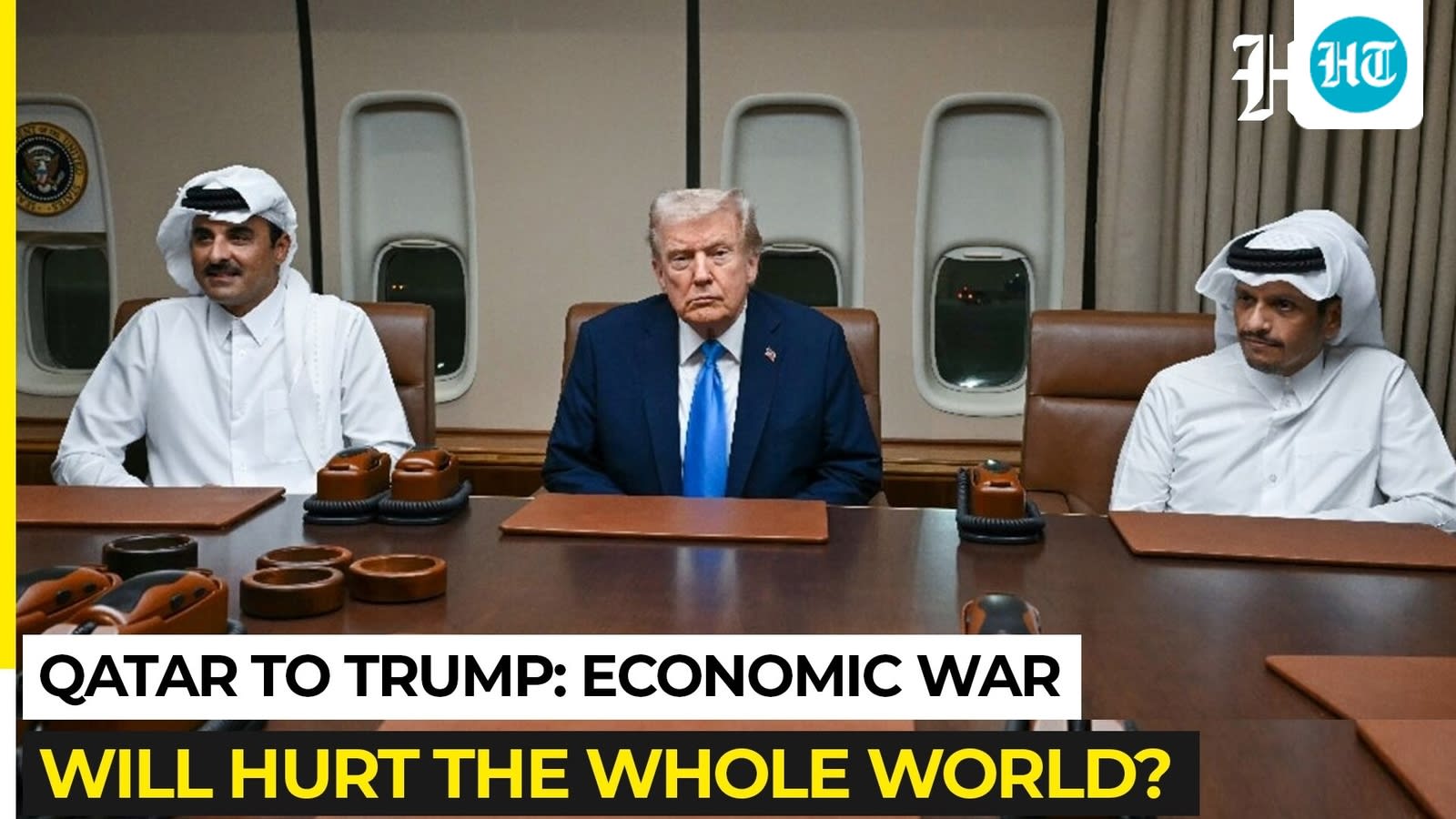
Qatar is advocating for diplomatic mediation over escalation in response to potential U.S. sanctions on Iran. The nation remains committed to protecting its sovereignty while working to reopen the critical Strait of Hormuz to regional stability.
Qatar’s Strategic Pivot: Balancing Sovereignty and Regional Stability
Qatar has emerged as a pivotal diplomatic actor in the escalating tensions surrounding the Strait of Hormuz. Following reports of potential new U.S. sanctions against Iran, Doha has taken a firm stance, emphasizing that regional stability hinges on dialogue rather than economic warfare. Foreign Ministry spokesman Majid Al-Ansari has articulated a clear policy: Qatar prioritizes mediation to contain the crisis, even as it maintains a resolute commitment to defending its national sovereignty against any potential Iranian threats aimed at regional states.
The Strategic Importance of the Strait of Hormuz
The Strait of Hormuz is not merely a geographic chokepoint; it is the global jugular vein for energy markets. As a major exporter of liquefied natural gas (LNG), Qatar is uniquely vulnerable to any disruptions in these waters. By actively pushing for the reopening and security of this corridor, Qatar is acting in its own economic interest while simultaneously attempting to prevent a broader regional conflict that could trigger catastrophic spikes in energy prices and disrupt global supply chains.
The Perils of Escalation and Sanctions
Historically, the imposition of broad sanctions has often led to increased regional volatility rather than the desired shift in state behavior. Qatar’s warning that Trump’s potential Iran sanctions could harm the entire region reflects a pragmatic assessment of Middle Eastern geopolitics. Doha argues that economic pressure, when applied without a concurrent diplomatic framework, risks provoking aggressive military posturing, such as the threats directed at regional states, which further destabilizes the security architecture of the Persian Gulf.
Qatar’s Role as a Regional Mediator
Qatar has long positioned itself as a neutral broker, leveraging its unique relationships with both Western powers and regional actors like Iran. This role as a mediator is essential in de-escalation efforts. By rejecting Iranian threats while simultaneously calling for restraint in U.S. policy, Doha is attempting to carve out a middle path. This diplomatic balancing act is designed to prevent a binary outcome where regional states are forced to choose sides in a conflict that would ultimately leave all parties worse off.
Future Trends and Diplomatic Outlook
The path forward for the region remains fraught with uncertainty. If the cycle of sanctions and reciprocal threats continues, the risk of miscalculation increases significantly. Qatar’s insistence on a diplomatic solution suggests that the nation will continue to host high-level talks and maintain open lines of communication with all stakeholders. Looking ahead, the effectiveness of this approach will depend on whether global powers are willing to integrate Doha’s mediation efforts into their broader security strategies for the Persian Gulf.
Conclusion
In summary, Qatar’s current diplomatic posture is defined by a commitment to sovereignty and a rejection of the zero-sum dynamics often associated with U.S.-Iran relations. By focusing on the stabilization of the Strait of Hormuz and the containment of the Iran crisis through mediation, Qatar is positioning itself as a stabilizing force. Its ability to successfully navigate these treacherous waters will be a primary indicator of whether the region can avoid a major escalation in the coming months.
Verification Required?