Iran Denies Potential Plot To Kill Trump's Son
Source Entity
NDTV News Search Records Found 1000
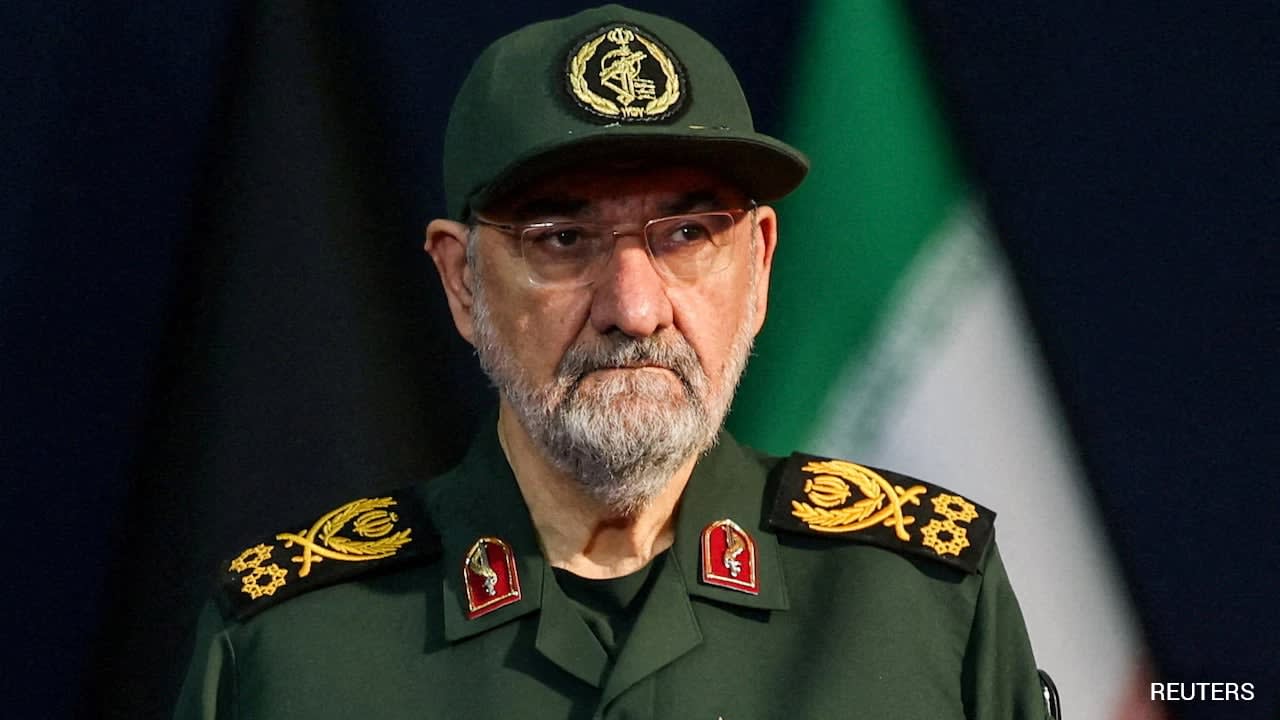
Iran's Security Chief has officially denied reports alleging a plot to assassinate Donald Trump's youngest son. The statement labels the claims as false, amidst ongoing tensions between Tehran and Washington.
Tensions Escalate: Iran Responds to Assassination Allegations
The Official Denial
Recent reports surfacing in various media outlets suggested the existence of an alleged plot orchestrated by Iranian actors targeting the youngest son of former President Donald Trump. In a swift and direct response, Iran's Security Chief has categorically denied these claims, labeling the reports as fabrications. This official rebuttal serves as a critical point of contention in the already strained diplomatic landscape between the United States and the Islamic Republic of Iran.
Contextualizing Geopolitical Friction
To understand the gravity of this denial, one must consider the historical context of U.S.-Iran relations, which have been defined by decades of mistrust, economic sanctions, and proxy conflicts. Following the 2020 assassination of Qasem Soleimani, Iran has frequently vowed retaliation against American officials. Consequently, any intelligence or media report suggesting threats against high-profile American political figures—or their families—is treated with extreme gravity by U.S. intelligence agencies and international observers alike.
The Mechanics of Information Warfare
In the modern digital age, the rapid dissemination of unverified security threats can significantly destabilize international relations. By publicly addressing and dismissing these claims, the Iranian government is attempting to control its international narrative and prevent further escalation. The Security Chief’s statement is a strategic move, likely aimed at preempting diplomatic fallout that could occur if the allegations were perceived as credible by the global community.
Security Implications for Political Families
The safety of political figures and their families remains a paramount concern for the U.S. Secret Service. When allegations of targeted violence against a former president's family members appear, they trigger rigorous security reviews. While Iran has denied the specific plot, the existence of such reports highlights the vulnerability of political figures in an era of heightened global polarization and unconventional warfare tactics.
Future Trends in U.S.-Iran Diplomacy
As both nations continue to navigate a complex and often hostile relationship, the frequency of such allegations may increase. Moving forward, the international community will look for verified intelligence rather than speculative reports to gauge the true level of threat. The ability of both countries to manage these inflammatory claims will determine whether tensions remain contained or spiral into a more dangerous confrontation, potentially impacting broader stability in the Middle East.
Verification Required?