15 newborns killed after fire breaks out at Islamabad hospital in Pakistan
Source Entity
TRISHA MAHAJAN
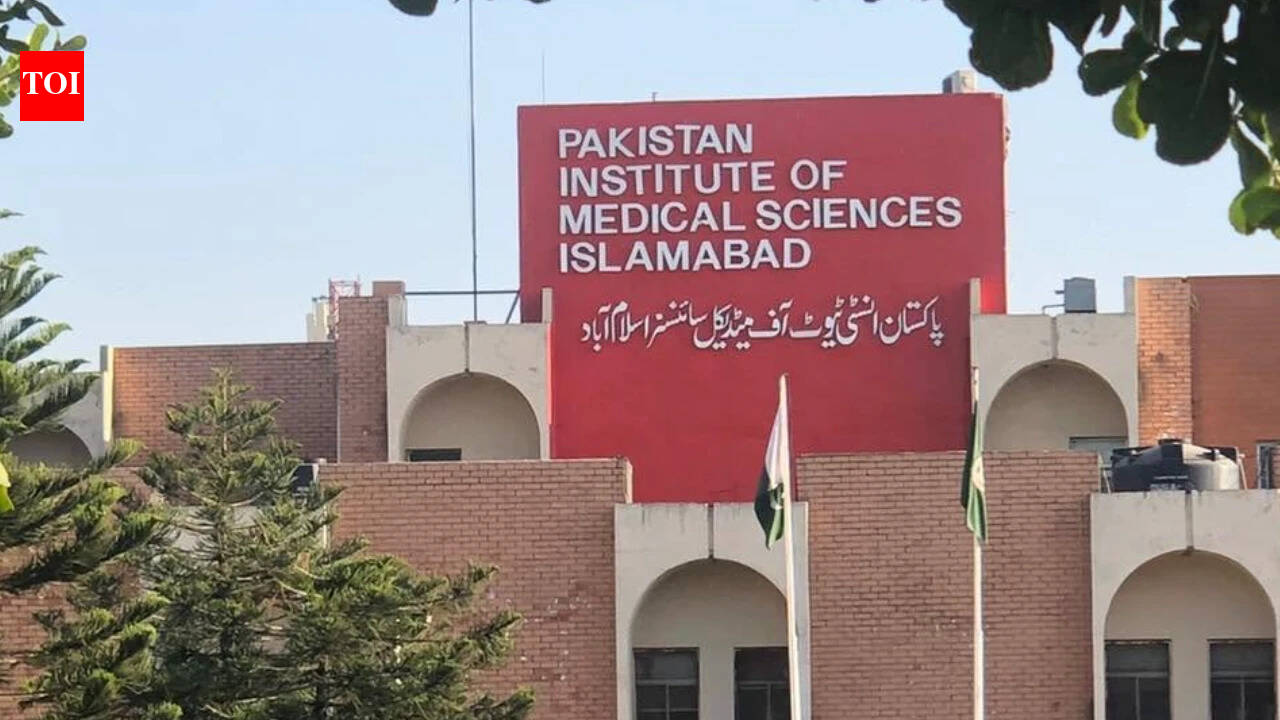
A tragic fire at the Pakistan Institute of Medical Sciences (PIMS) maternity ward in Islamabad has resulted in the deaths of 14 to 15 infants. The blaze, reportedly caused by an air-conditioning compressor explosion, has sparked public outrage and conflicting reports regarding ward security protocols.
Tragedy at PIMS: A Critical Analysis of the Islamabad Maternity Ward Fire
On a Wednesday morning at the Pakistan Institute of Medical Sciences (PIMS) in Islamabad, a catastrophic fire erupted within the maternity ward, resulting in the tragic deaths of 14 to 15 newborn infants. The blaze, which reportedly began at approximately 6:45 AM, has sent shockwaves through the nation, raising urgent questions regarding hospital safety standards and infrastructure maintenance in Pakistan’s capital.
The Origin of the Disaster
Preliminary reports suggest the fire was triggered by a mechanical failure within the ward’s infrastructure. According to rescue sources and local media, the incident likely originated from an air-conditioning compressor that exploded, potentially due to a short circuit in the cooling system. Such failures in medical facilities often point to systemic issues regarding the upkeep of critical life-support infrastructure, which is essential in high-stakes environments like neonatal units.
Conflicting Accounts and Safety Protocols
In the aftermath, a point of significant contention has emerged regarding the accessibility of the ward. While witnesses and grieving parents have alleged that the ward doors were locked, preventing timely evacuation and aid, hospital officials have provided a contrasting account. The hospital maintains that the doors were not locked but were instead manned by security guards to ensure the protection and isolation of the newborns. This discrepancy highlights a critical failure in communication and emergency preparedness that likely exacerbated the panic during the evacuation.
The Human Impact and Emergency Response
Eyewitness accounts, such as that of Hivsa Walid, depict a scene of absolute chaos. Parents, many of whom had delivered their children only hours prior, found themselves fleeing through smoke-filled corridors with little guidance. The report that some parents waited hours for assistance suggests a breakdown in the hospital's internal emergency response protocols, which should be the primary line of defense in a government-run medical facility.
Broader Implications for Public Health
This tragedy serves as a grim reflection of the challenges facing public healthcare infrastructure in Pakistan. When a tertiary care facility like PIMS—a premier institute in the capital—suffers a failure of this magnitude, it inevitably leads to a decline in public trust. The incident highlights the urgent need for comprehensive safety audits, including fire-suppression system inspections and rigorous electrical maintenance schedules, to ensure that such a calamity is not repeated.
Looking Toward Accountability
As cooling operations conclude and the investigation continues, the focus must shift toward accountability. The loss of so many lives is not merely a technical failure but a failure of institutional oversight. Future trends in hospital management in the region will likely necessitate stricter regulatory compliance and the implementation of automated fire-safety systems that do not rely on manual guarding, ensuring that in the event of an emergency, the path to safety is always unobstructed.
Multiple Citing Sources