Gen-Z Key In Scaling Up India-Nepal Economic Ties: Industry Leaders To NDTV
Source Entity
NDTV News Search Records Found 1000
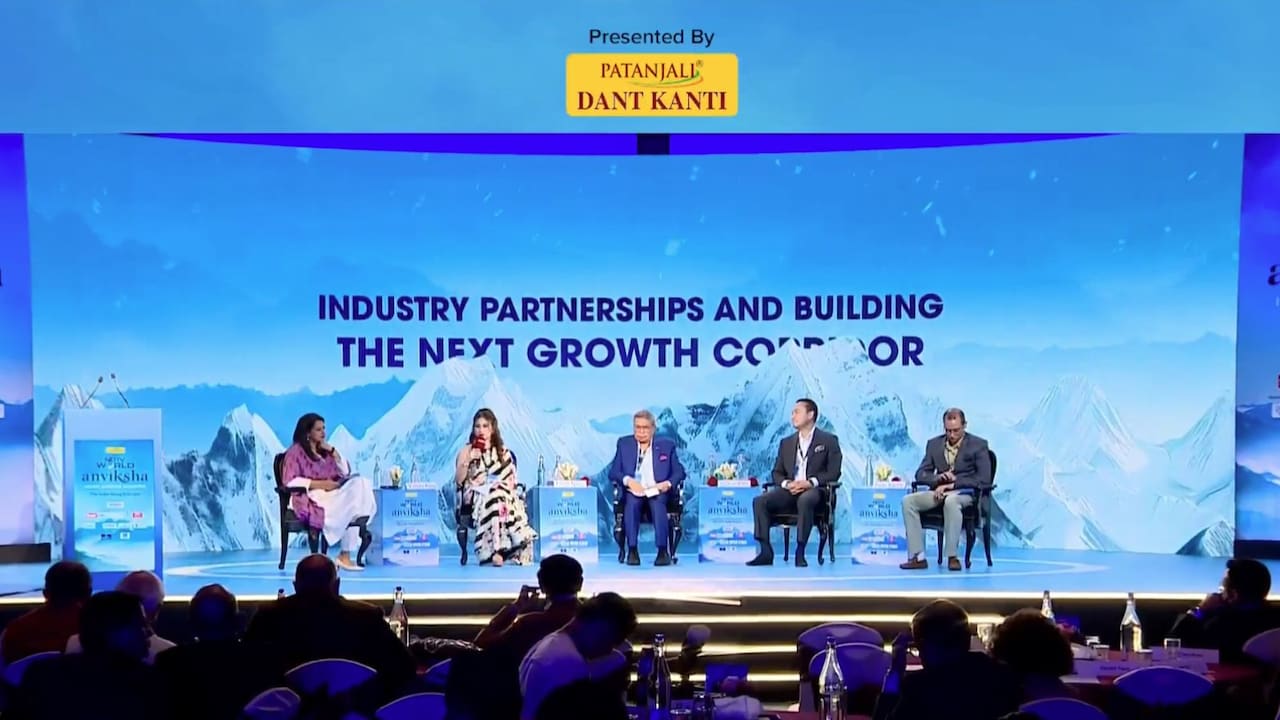
The 'Anviksha' India-Nepal dialogue in Kathmandu brings together key stakeholders to explore strengthening bilateral economic and diplomatic ties. Foreign Minister Shisir Khanal emphasized the unique nature of the relationship, describing it as irreplaceable rather than a choice between regional powers.
Strengthening the India-Nepal Strategic Partnership
The 'Anviksha' India-Nepal Dialogue, hosted in Kathmandu, marks a pivotal moment in the diplomatic discourse between the two neighboring nations. By convening a diverse assembly of politicians, diplomats, and business leaders, the summit seeks to navigate the complexities of a relationship defined by deep historical, cultural, and geographical interconnectedness. At the heart of this engagement is the recognition that the stability and growth of the Himalayan region are inextricably linked to the cooperation between New Delhi and Kathmandu.
The Geopolitical Significance of the Open Border
India and Nepal share an extensive, open border stretching over 1,700 kilometers, a unique feature that facilitates the free movement of people and goods. This geographical reality is more than a administrative boundary; it is the lifeblood of the socio-economic relationship between the two countries. The 'Anviksha' dialogue serves as a platform to address the challenges and opportunities presented by this porous frontier, ensuring that security concerns do not stifle the economic integration that both nations rely upon for regional stability.
Balancing Regional Dynamics
During the summit, Nepal's Foreign Minister Shisir Khanal addressed the perennial question regarding Nepal's balancing act between its two massive neighbors, India and China. Using a poignant metaphor, he stated that one cannot replace a father with a mother, effectively signaling that Nepal views its relationships with these regional powers as distinct and non-interchangeable. This sentiment underscores a policy of strategic autonomy, where Nepal seeks to maintain its sovereignty while fostering robust economic partnerships with both nations simultaneously.
The Role of Gen-Z in Economic Evolution
A notable focus of the dialogue is the role of the younger generation in scaling up economic ties. Industry leaders have identified Gen-Z as a critical catalyst for future growth. By shifting the focus toward digital connectivity, entrepreneurship, and modern trade practices, the youth of both India and Nepal are expected to redefine the parameters of bilateral commerce. This generational shift promises to move the relationship beyond traditional agrarian and infrastructure-based cooperation into the realms of the digital economy.
Future Trends and Diplomatic Outlook
Looking ahead, the 'Anviksha' dialogue suggests a shift toward more proactive and inclusive diplomacy. The emphasis on business-led engagement indicates that both nations are keen to move past static diplomatic protocols and toward dynamic, results-oriented economic integration. As India and Nepal continue to explore these avenues, the success of their partnership will likely depend on their ability to modernize infrastructure and harmonize regulatory frameworks to suit the aspirations of a younger, globally connected population.
Verification Required?