Oil slips as investors focus on Hormuz talks
Source Entity
Yahoo Finance
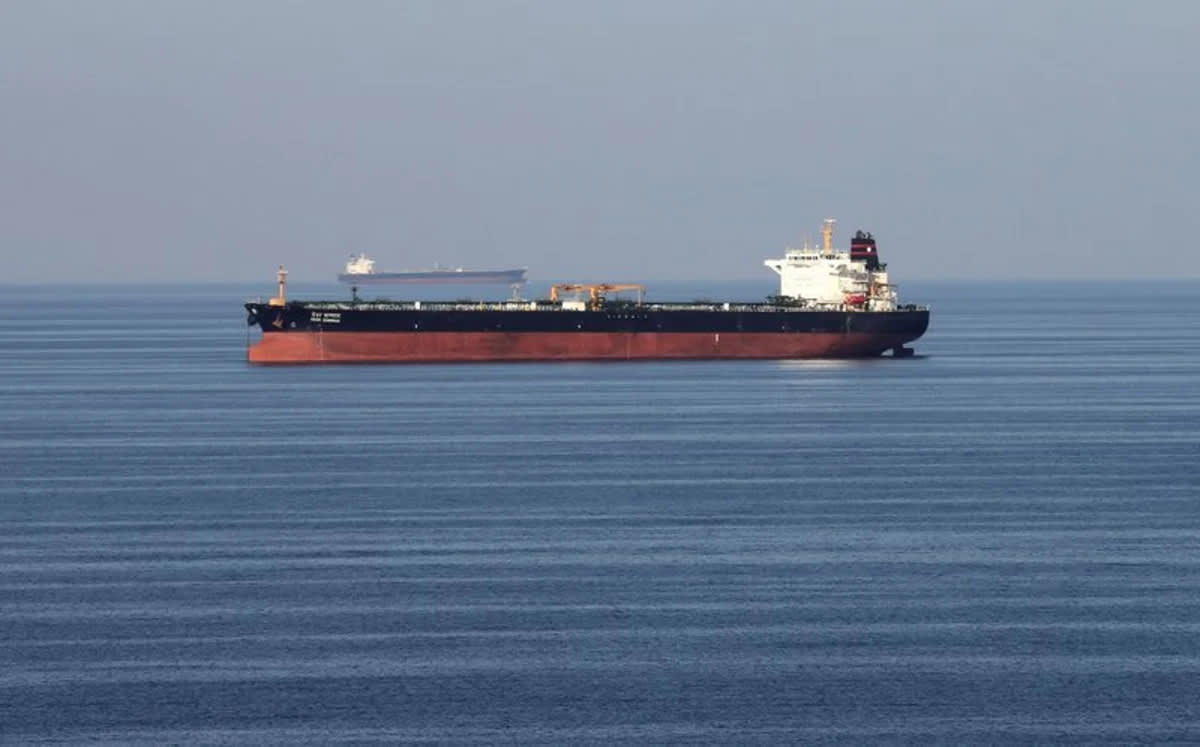
Iran and Oman are engaged in discussions regarding a temporary corridor through the Strait of Hormuz to alleviate regional tensions. These talks have influenced global oil markets, leading to a recent decline in crude prices as investors anticipate improved maritime traffic.
Diplomatic Maneuvering in the Strait of Hormuz
The recent diplomatic engagement between Iran and Oman regarding the establishment of a temporary corridor through the Strait of Hormuz marks a significant development in regional maritime security. By initiating these discussions, both nations have underscored the perceived necessity of collaborative dialogue among states bordering the Gulf. This move is framed as a critical step toward stabilizing one of the world’s most vital energy chokepoints, which has long been characterized by geopolitical friction and uncertainty.
The Impact of US Relations and Rhetoric
These discussions occur against the backdrop of a persistent impasse with the United States. The situation is further complicated by external commentary, including recent statements from Donald Trump asserting that all mines in the strait have been cleared—a claim he has reiterated on multiple occasions. Such rhetoric serves to highlight the divergent perspectives on the security status of the waters, as international stakeholders weigh official diplomatic efforts against public assertions regarding the physical safety of the shipping lanes.
Market Volatility and Investor Sentiment
Global energy markets have reacted swiftly to the news of these bilateral talks. On August 26, oil prices experienced a notable decline, with Brent crude futures falling 0.8% to $87.87 and West Texas Intermediate (WTI) slipping 0.58% to $81.88. Investors are closely monitoring the Iran-Oman dialogue, interpreting the potential for a temporary corridor as a signal that traffic through the strategic waterway might become more predictable or accessible, thereby reducing the risk premium traditionally associated with the region.
Supply Dynamics and Economic Indicators
The downward pressure on oil prices was tempered by domestic data from the United States, which prevented more significant losses. According to the Energy Information Administration, U.S. crude inventories rose by 95,000 barrels to 428.9 million barrels for the week ending August 21. Because this rise was smaller than market expectations, it provided a counter-narrative to the optimism generated by the Hormuz corridor talks, highlighting the complex interplay between geopolitical diplomacy and fundamental supply-demand metrics.
Regional Cooperation and Future Implications
The emphasis placed by Iran and Oman on involving other Gulf-bordering states in these discussions suggests a potential shift toward a more inclusive regional security architecture. If successful, such a collaborative approach could mitigate the risks of maritime disruption that have historically rattled global markets. However, the efficacy of these measures remains contingent upon the broader geopolitical climate, particularly the ongoing tensions between regional powers and international actors like the United States.
Conclusion
In summary, the dialogue between Iran and Oman represents a pragmatic attempt to manage the Strait of Hormuz amidst a complex landscape of political posturing and economic sensitivity. While the promise of a temporary corridor has offered a brief respite to oil markets, the long-term stability of the region will likely continue to be dictated by the intersection of local diplomatic initiatives and the broader, often volatile, international political environment.
Multiple Citing Sources