Snakes and Ladders began as a spiritual game in India. How the British transformed it
Source Entity
Adrija Roychowdhury
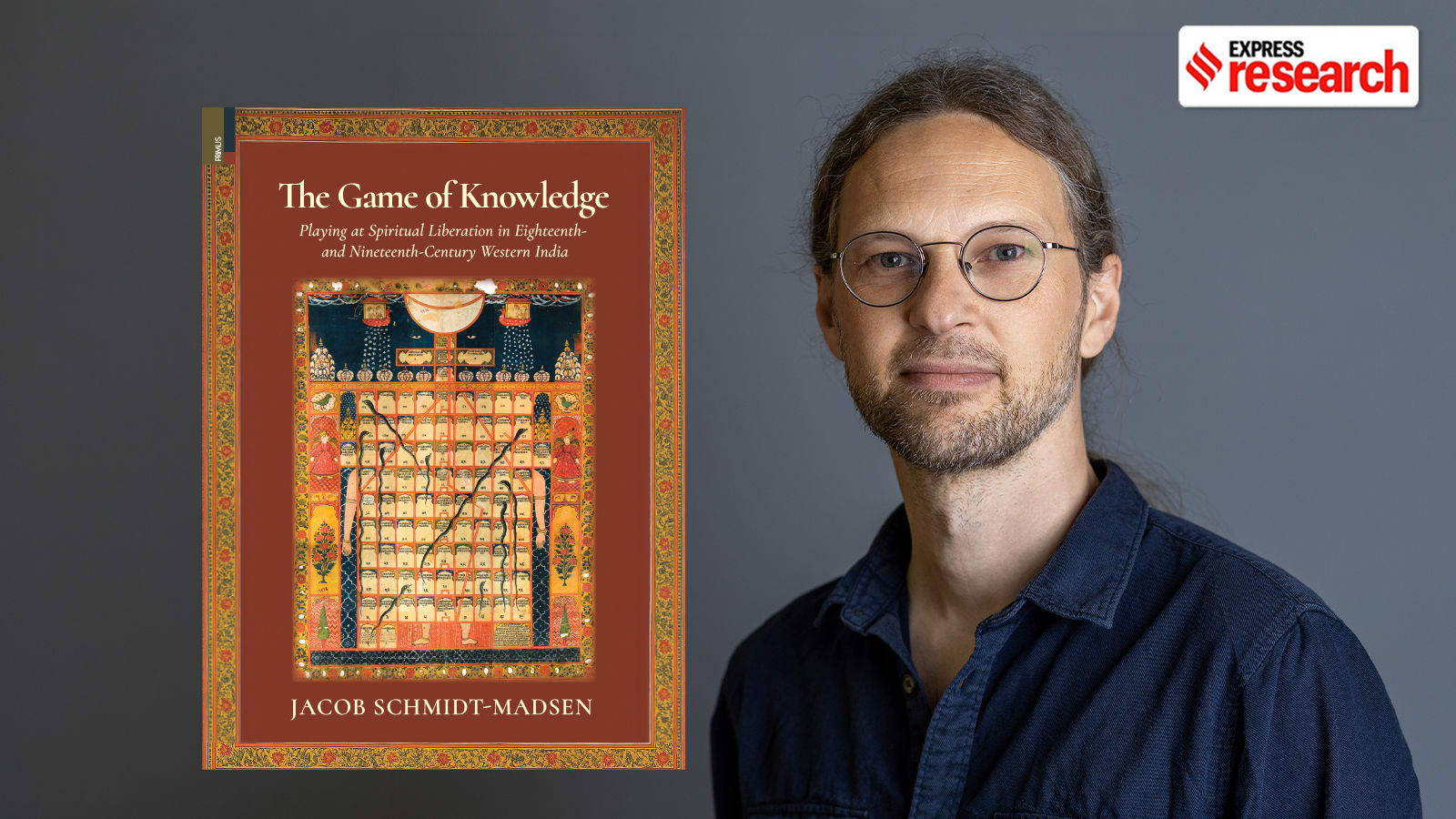
Research by historian Jacob Schmidt-Madsen reveals that the modern game of Snakes and Ladders originated as a spiritual tool in India. The game was later secularized and transformed by the British during the colonial era.
The Spiritual Roots of a Global Pastime
For generations, Snakes and Ladders has been a staple of childhood, viewed primarily as a game of chance and simple entertainment. However, recent research conducted by cultural historian Jacob Schmidt-Madsen suggests that the game’s origins are deeply rooted in the philosophical and religious landscapes of ancient India. Rather than being designed as a mere diversion, the original boards functioned as pedagogical tools intended to guide players through the complexities of moral and spiritual evolution.
Deciphering the Inscriptions
Schmidt-Madsen, a postdoctoral researcher at the Max Planck Institute for the History of Science, uncovered that early versions of the game were adorned with intricate inscriptions. These markings were not random; they were intrinsically linked to the major religious traditions of the region, including Vaishnavism, Shaivism, Sufism, and Jainism. Each square represented a concept or a state of being, effectively turning the act of gameplay into a meditative exercise on the path toward enlightenment and liberation.
The Transition to Secularism
As the game moved from the cultural sphere of India into the hands of the British colonial authorities, its primary function shifted dramatically. The intricate spiritual symbolism that once defined the experience was gradually stripped away to suit a more secular, Victorian-era educational framework. This transformation reflects a broader historical trend in which indigenous cultural artifacts were often repurposed by colonial powers to fit Western pedagogical standards, effectively severing the connection between the game and its original metaphysical purpose.
Insights from 'The Game of Knowledge'
This historical evolution is detailed in Schmidt-Madsen’s newly published work, The Game of Knowledge: Playing at Spiritual Liberation in Eighteenth- and Nineteenth-Century Western India (2026). The book provides a meticulous account of how the game evolved from a profound spiritual instrument into the commercialized version known today. By analyzing the board as a historical text, Schmidt-Madsen highlights the importance of preserving the cultural history hidden within everyday objects.
Implications for Modern Cultural Understanding
Understanding the transition of Snakes and Ladders offers a unique lens through which to view the impact of colonial interaction on indigenous traditions. It serves as a reminder that many objects we consider mundane carry legacies of deep intellectual and spiritual significance. As we look toward future research in cultural history, the study of games and play will likely remain a critical area for uncovering how societies have historically communicated their deepest values and beliefs to future generations.