Seven low-pressure systems, but little rain relief for Andhra Pradesh
Source Entity
India Latest News: Top National Headlines Today & Breaking News | The Hindu
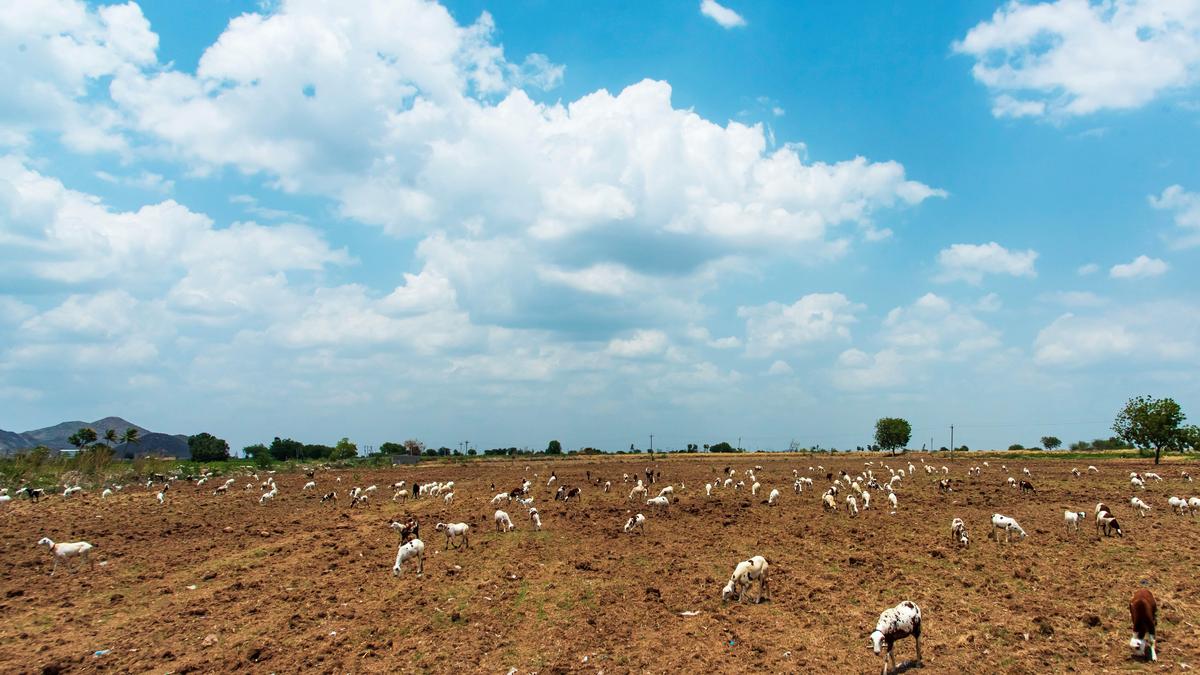
Andhra Pradesh is facing a severe 51% monsoon rainfall deficit, threatening the livelihoods of 62% of its population. The state government has implemented a four-pronged strategy, including risk-grading agricultural service centers, to mitigate the impact on the Kharif-2026 season.
Andhra Pradesh Battles Severe Monsoon Deficit
Andhra Pradesh is currently navigating a critical agricultural crisis as the state reports a staggering 51% deficit in rainfall during the Kharif-2026 season. Agriculture Director Manazir Jeelani Samoon has highlighted that all 28 districts in the state are experiencing deficient rainfall, with three districts categorized as facing a 'large-deficit.' This development is particularly concerning given that approximately 62% of the state's population relies on agriculture for their livelihoods, making the resilience of the rural economy a top priority for the administration.
The Failure of Meteorological Systems
Despite the formation of seven low-pressure systems in the Bay of Bengal during the first three months of the Southwest monsoon, the state has seen little meaningful relief. These systems, including the most recent one originating over Gangetic West Bengal, have failed to produce widespread precipitation. Instead, they have resulted in only localized, light showers that have proven insufficient for crop requirements. Real-time data from the Directorate of Economics and Statistics confirms that rainfall has been largely negligible, with few areas recording even moderate accumulation.
Proactive Strategic Planning
Recognizing the potential for a severe drought, the state’s Agriculture Department initiated preparatory measures as early as February. In collaboration with the India Meteorological Department (IMD) and the Central Research Institute for Dryland Agriculture (CRIDA), officials have implemented a rigorous risk-grading system for the state’s 8,489 Rythu Seva Kendrams. This systematic approach allows the government to tailor support and resources to the specific needs of different regions based on their vulnerability to the moisture deficit.
Socio-Economic Implications
The reliance of 62% of the population on agriculture underscores the broader economic stakes for Andhra Pradesh. A poor Kharif harvest threatens not only individual farmer incomes but also food security and the stability of the rural labor market. The government’s proactive stance reflects an understanding that climate-induced volatility is becoming a structural challenge, necessitating long-term mitigation strategies rather than purely reactionary measures.
Future Trends and Outlook
With the IMD forecasting only light rain in isolated pockets of North Coastal Andhra Pradesh, the immediate outlook remains bleak. The persistence of these climatic patterns suggests that the state may need to accelerate its transition toward drought-resistant crop varieties and enhanced irrigation efficiency. As climate change continues to disrupt traditional monsoon cycles, the model established by the Agriculture Department—focusing on data-driven risk assessment and localized support—will likely serve as a blueprint for future disaster management in the region.
Multiple Citing Sources
Verification Required?