How 23,000 edible dormice became a problem for Britain
Source Entity
TOI WORLD DESK
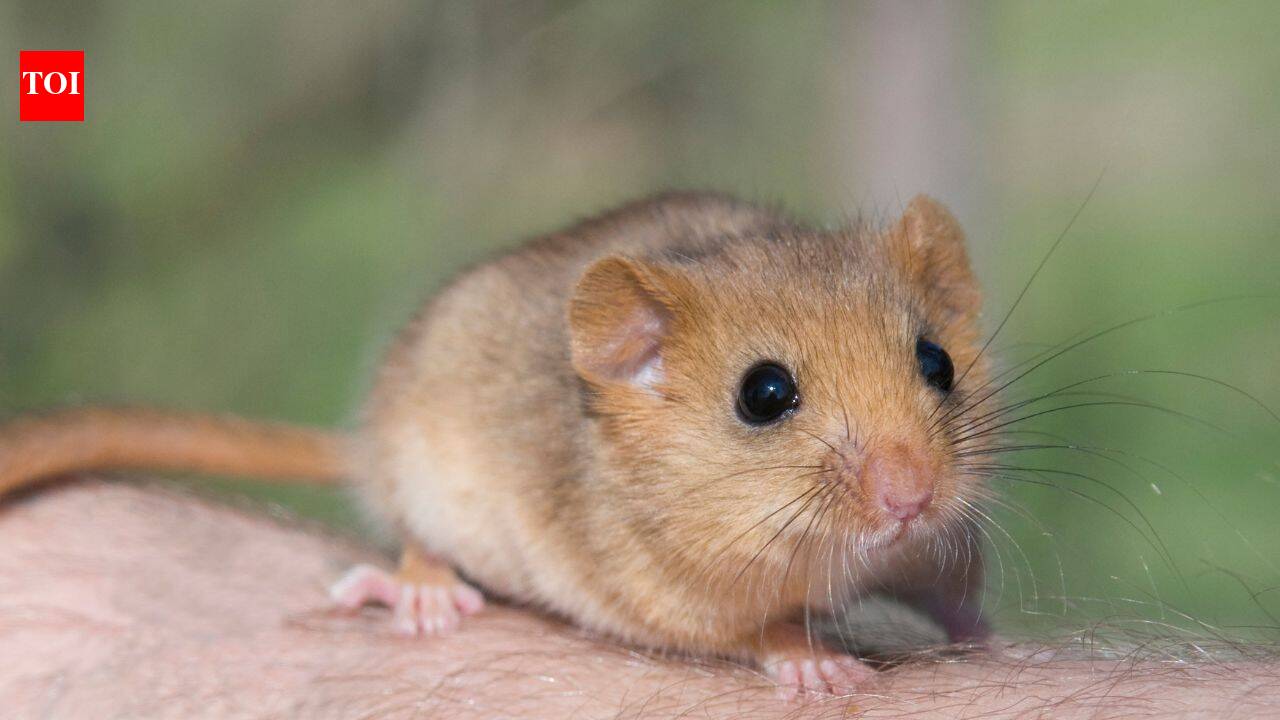
The introduction of edible dormice to the UK in 1902 has evolved into a significant ecological challenge, with populations reaching 23,000 by 2018. The government now funds land management programs to mitigate the damage these invasive rodents cause to local agriculture and bird populations.
The Legacy of Victorian Curiosity: The Edible Dormouse in Britain
A Historical Introduction
The presence of the edible dormouse (Glis glis) in Britain is a quintessential example of how 19th-century colonial and Victorian-era attitudes toward wildlife management can create lasting ecological consequences. In 1902, a small population of these rodents was released at Tring Park in Hertfordshire, driven by an aesthetic and scientific curiosity for exotic species. This decision, made long before the rigorous ecological impact assessments required today, bypassed the potential risks of introducing a non-native species into a balanced ecosystem.
From Estate Curiosity to Invasive Species
What began as a contained experiment on a private estate eventually spiraled into a landscape-scale environmental challenge. Over the course of a century, the population expanded significantly, particularly within the Chiltern Hills region. By 2018, the Mammal Society estimated the population had surged to approximately 23,000 individuals. This rapid proliferation demonstrates the adaptability of the species, which has successfully exploited British woodlands that lack the natural predators or environmental stressors found in its native European range.
Ecological and Agricultural Damage
The edible dormouse is far from a harmless resident; it is categorized as a pest due to its destructive habits. These rodents are known to cause extensive damage to forestry, commercial crops, and native bird populations. Their ability to strip bark from trees can lead to significant timber loss and tree mortality, while their opportunistic feeding habits directly threaten local avian species by preying on eggs and nestlings, thereby disrupting the ecological balance of the Chiltern woodlands.
Government Intervention and Management
Recognizing the severity of the threat, the UK government has implemented formal management strategies. Land managers are currently incentivized through a payment scheme of £40 per hectare per year under the Countryside Stewardship program to control the population. This financial intervention underscores the government's acknowledgment that the edible dormouse is no longer a mere local curiosity but a persistent threat to biodiversity and agricultural productivity.
Distinguishing from the Protected Hazel Dormouse
Crucially, the edible dormouse must not be confused with the native hazel dormouse (Muscardinus avellanarius). While the hazel dormouse is a protected species in the UK due to its declining numbers, the edible dormouse is an invasive outlier. This distinction is vital for conservationists and the public, as control measures for the edible dormouse are highly regulated and must be executed in accordance with strict legal frameworks to ensure that native, protected wildlife is not inadvertently harmed during population management operations.
Future Trends and Outlook
The ongoing management of the edible dormouse population represents a long-term commitment to landscape-scale conservation. As climate patterns shift and woodland structures change, the pressure to control this invasive species will likely remain a fixture of British agricultural policy. The success of future efforts will depend on the continued efficacy of government-funded land management and the ability of stakeholders to balance the need for pest control with the preservation of the broader woodland ecosystem.