Why Nepal Is So Vulnerable: Glacial Lakes, And A Himalaya That Moves Constantly
Source Entity
NDTV News Search Records Found 1000
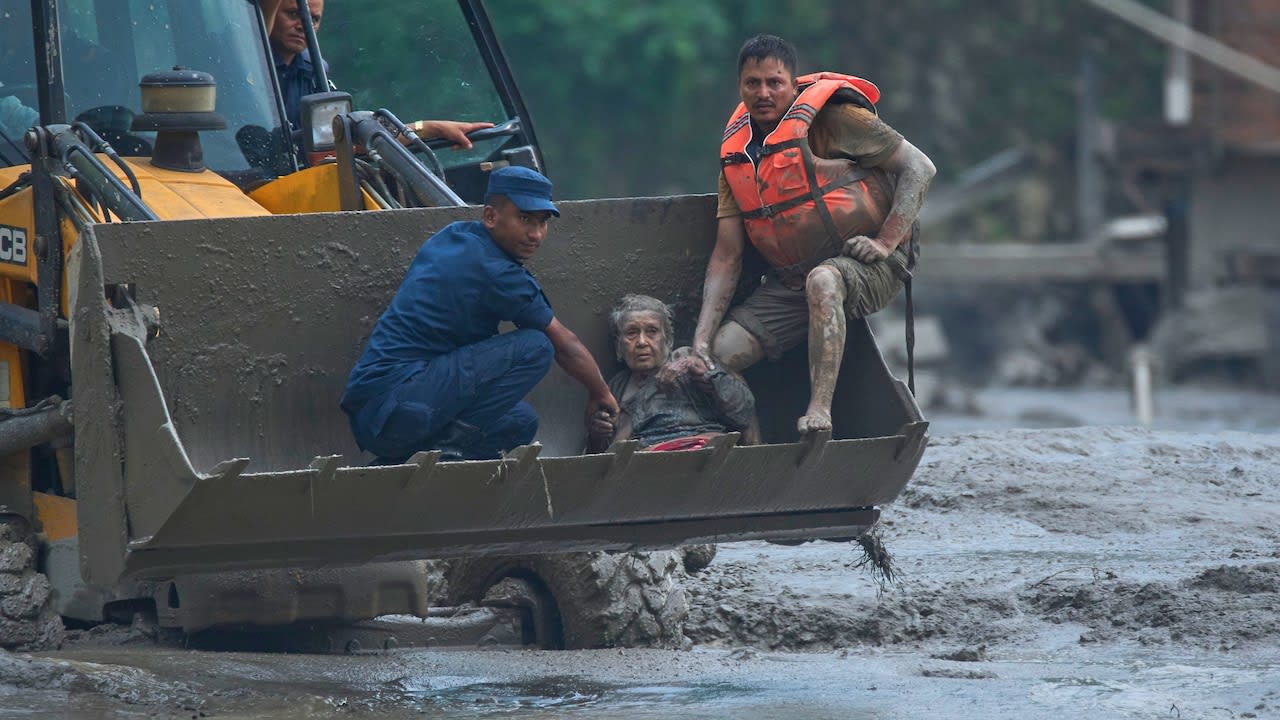
A massive flash flood triggered by a suspected ice-rock avalanche in Nepal has caused widespread destruction and prompted high-alert warnings across northern India. Search and rescue operations are ongoing as authorities monitor the potential for rising river levels downstream in Uttar Pradesh and Bihar.
The Nepal Flash Flood Crisis: An Analysis of Himalayan Vulnerability
On Wednesday, August 26, 2026, a catastrophic flash flood swept through Nepal’s Rasuwa district, causing immense destruction and loss of life. Originating in the high-altitude regions near the Nepal-Tibet border, the surge of water, sediment, and boulders cascaded down through the Bhote Koshi and Trishuli river systems. The disaster has necessitated urgent rescue missions, with images capturing the dire conditions as responders utilize earthmovers to reach submerged homes in the Nuwakot district.
Scientific Investigation into the Trigger
Researchers from the International Centre for Integrated Mountain Development (ICIMOD), in collaboration with institutions in Nepal and China, are currently investigating the mechanical origins of this disaster. Preliminary assessments suggest that an ice-rock avalanche from a high-altitude area may have been the primary catalyst for the flash flood. This event highlights the extreme geological volatility of the Hindu Kush Himalaya (HKH) region, where rapid changes in glacial stability pose a constant threat to downstream communities.
The Fragility of the Himalayan Landscape
Nepal’s geography makes it uniquely susceptible to such events. The combination of steep terrain, the presence of glacial lakes, and the constant tectonic movement of the Himalayas creates a high-risk environment. When an ice-rock avalanche occurs, it can displace massive volumes of water or create temporary dams that eventually breach, resulting in the high-velocity torrents of debris observed in the Trishuli and Bhote Koshi rivers this week.
Regional Implications and Cross-Border Risks
The disaster has significant transboundary implications, particularly for India. As the Trishuli River flows into the Gandak system, authorities in the Indian states of Uttar Pradesh, Bihar, and Uttarakhand have been placed on high alert. There is a heightened concern that the influx of water, combined with the potential opening of barrage gates in Nepal, could lead to significant rises in the Ghaghara, Rapti, and Kosi rivers, endangering lives and infrastructure hundreds of kilometers downstream.
Humanitarian Impact and Future Outlook
The human cost of this event is severe, with reports indicating dozens of fatalities and nearly 400 tourists—including over 100 Indian nationals—missing. This tragedy underscores the urgent need for enhanced early warning systems and international cooperation in disaster risk reduction. As climate change continues to destabilize high-altitude ice reserves, the frequency of such events may increase, necessitating more robust infrastructure and integrated regional monitoring to safeguard the millions of people living in the shadow of the Himalayas.
Multiple Citing Sources
Verification Required?