Iran Blacklists Indian, Pakistani Ships Among 45 For Hormuz "Violations"
Source Entity
NDTV News Search Records Found 1000
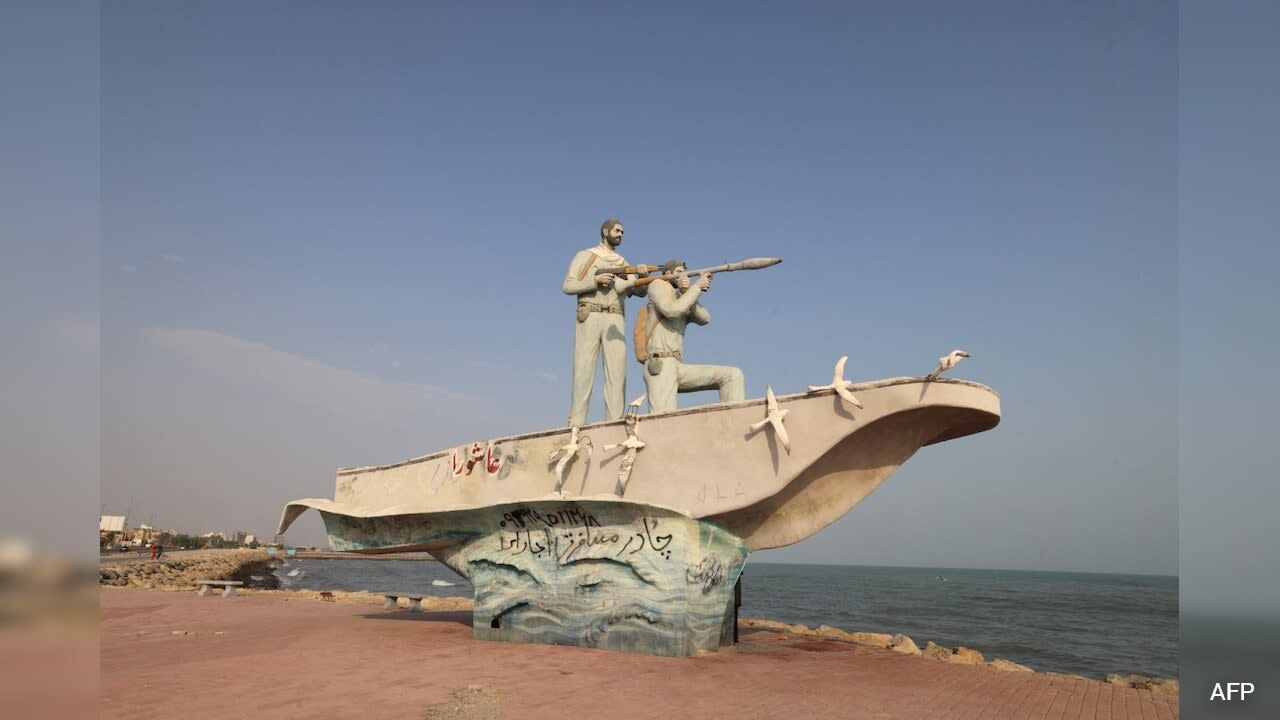
Iran has blacklisted two Indian vessels for alleged Strait of Hormuz violations, while the US simultaneously sanctioned four Indian companies for importing Iranian petroleum. These developments highlight the intensifying geopolitical pressure on Indian maritime and energy trade interests.
Geopolitical Tensions in the Strait of Hormuz
The maritime landscape surrounding the Strait of Hormuz has become increasingly volatile as Iran’s Persian Gulf Strait Authority (PGSA) recently issued a list of 45 “non-compliant” vessels. Among these are two Indian-owned ships, the LNG tanker Disha and the bulk carrier Maha Roos. This move by Tehran appears to be an attempt to assert stricter control over shipping corridors, mandating specific terms for transit that these vessels have allegedly violated. The inclusion of vessels linked to major entities like the Abu Dhabi National Oil Company (ADNOC) suggests that Iran is casting a wide net to enforce its regulatory framework in a region vital to global energy security.
The Intersection of Iranian Enforcement and U.S. Sanctions
Simultaneous to Iran’s regulatory crackdown, the United States has intensified its own pressure via 'Operation Economic Outcast.' U.S. Treasury Secretary Scott Bessent announced sanctions against four India-based companies, including Portease Partners LLP, for their alleged involvement in facilitating Iranian petroleum and petrochemical exports. This dual-sided pressure creates a complex environment for Indian maritime operators, who find themselves caught between Iranian transit demands and the threat of severe U.S. financial penalties.
Strategic Implications for Indian Energy Trade
The presence of Indian vessels on Iran’s blacklist and the sanctioning of domestic firms for Iranian trade indicate a hardening of global positions. India, as a major energy importer, relies heavily on the Persian Gulf for its energy requirements. The targeting of specific companies—such as the identification of partners Indrismiya Asharafsmiya Shekh and Harish Ramchandra Rangi—signals that international regulatory bodies are moving toward more granular enforcement, moving beyond mere vessel tracking to auditing the financial facilitators of these trade routes.
Historical Context and Regional Volatility
The Strait of Hormuz has long been a flashpoint for international conflict. By attempting to impose its own shipping corridor, Iran is challenging the status quo of international maritime transit. Historically, such moves are often retaliatory or strategic maneuvers to mitigate the impact of international sanctions. For India, this represents a significant diplomatic challenge: balancing its strategic partnership with the UAE and the West while maintaining the energy supply chains necessary for its domestic economy.
Future Trends and Outlook
Moving forward, the shipping industry should expect increased scrutiny of cargo manifests and ownership structures. The 'Operation Economic Outcast' initiative suggests that the U.S. will continue to aggressively target the revenue streams of the Iranian state, which likely means more Indian companies could face scrutiny if they continue to engage in trade with Iranian entities. The PGSA’s blacklist serves as a reminder that Iran intends to maintain control over its maritime borders, potentially leading to further standoffs between Tehran and international shipping interests. India will likely need to navigate these waters with extreme caution to avoid further diplomatic and economic friction.
Multiple Citing Sources
Verification Required?