Artists are lawyering up against AI slop, and some are even winning
Source Entity
Terrence O’Brien
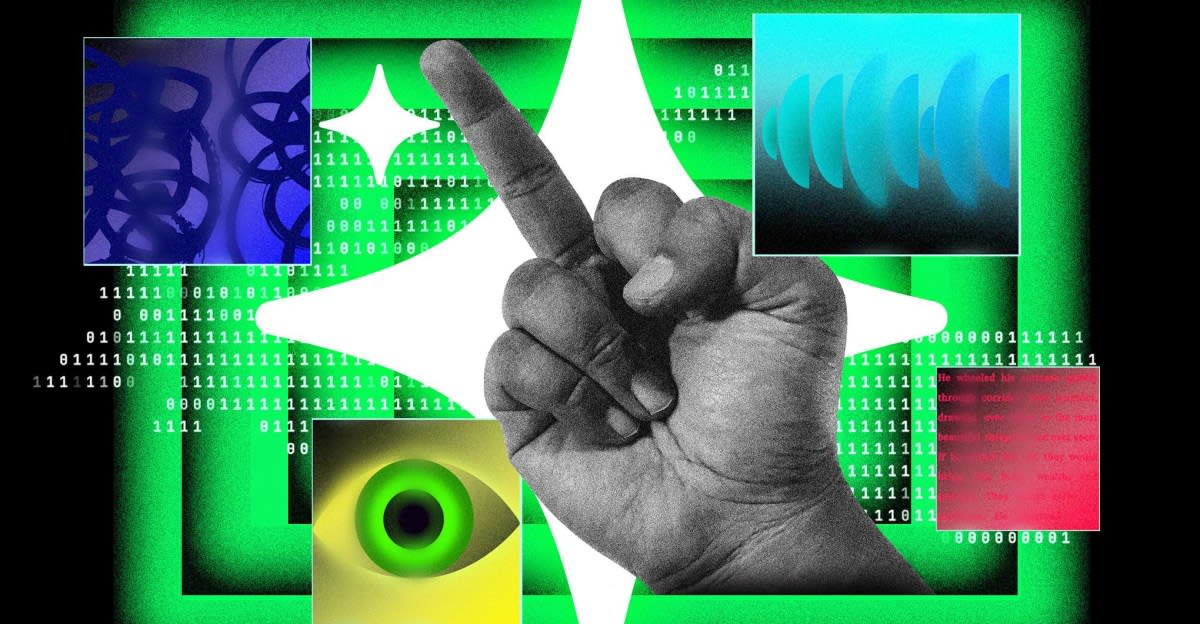
Authors are taking legal action against AI companies after discovering their copyrighted works were used to train chatbots without consent. This growing movement highlights the tension between AI development and intellectual property rights.
The Intellectual Property Crisis in the Age of Generative AI
Recent revelations regarding the training datasets used by major artificial intelligence firms have sparked a significant legal and ethical confrontation. When The Atlantic published a searchable database of works utilized to train AI models, it provided authors like Kirk Wallace Johnson with empirical evidence that their life’s work—often the result of years of meticulous research and investigation—was being ingested by chatbots without authorization or compensation.
The Human Cost of Data Scraping
For authors such as Johnson, whose works like The Feather Thief and The Fishermen and the Dragon represent half a decade of deep investigative labor, the discovery was both personal and professional. The unauthorized use of these texts by AI corporations is viewed by creators as a form of piracy. This sentiment is widespread, characterized by a potent mixture of anger at the perceived theft, anxiety regarding the devaluation of creative labor, and a drive to hold massive technology corporations accountable.
The Legal Frontline
In response to this systemic exploitation, creators are increasingly turning to litigation as a primary mechanism for defense. Johnson’s proactive engagement with Susman Godfrey—the same legal team spearheading the high-profile lawsuit against Anthropic—signals a shift from passive observation to active legal combat. By aligning with established legal entities, authors are attempting to establish a precedent that protects intellectual property against the unchecked "ingestion" of creative works by large language models.
Broader Implications for the Creative Economy
This conflict highlights a fundamental tension in the digital age: the reliance of AI on human-generated data versus the rights of the humans who create that data. If authors cannot protect their work from being used to train the very tools that might eventually replace them, the future of the publishing industry and independent journalism faces an existential threat. The potential for AI to produce synthetic content based on copyrighted material could lead to a market saturation that renders original human inquiry economically unviable.
Future Trends and Judicial Precedent
As these cases move through the court system, the rulings will likely redefine the scope of "fair use" in the context of machine learning. We are entering an era where the legal definition of intellectual property must evolve to address the scale of modern data scraping. If courts side with authors, AI companies may be forced to license training data at scale, fundamentally altering the economics of AI development and potentially slowing the rapid, often opaque, expansion of generative models.
Conclusion
The legal movement led by authors like Kirk Wallace Johnson represents a critical inflection point for both the technology sector and the humanities. As these legal battles unfold, they will serve as the ultimate litmus test for whether existing copyright frameworks can withstand the challenges posed by generative AI. The outcome will ultimately determine whether the future of knowledge production remains an endeavor built upon human expertise or one dominated by the automated synthesis of stolen labor.