Cybersecurity risks posed by over-the-air tech in autos has analysts concerned
Source Entity
US Top News and Analysis
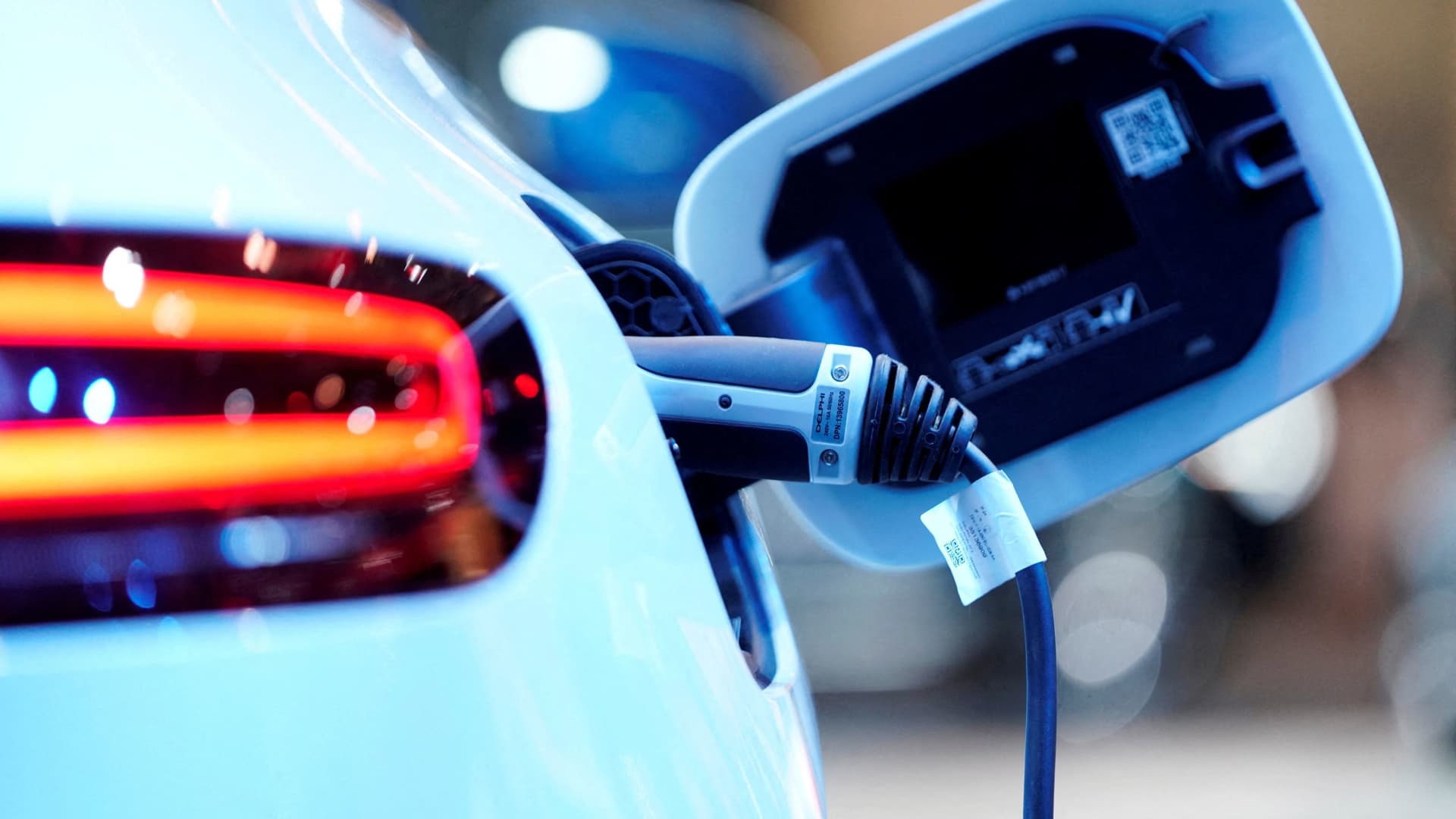
Analysts are warning that the widespread adoption of over-the-air (OTA) technology in the automotive industry increases vehicle susceptibility to cyberattacks. While OTA allows for seamless software updates, experts are urging greater intervention to secure these connected systems.
The Dual-Edged Sword of Automotive Connectivity
The automotive industry is currently undergoing a paradigm shift, transitioning from purely mechanical machines to "software-defined vehicles." At the heart of this transformation is over-the-air (OTA) technology, a wireless mechanism that allows manufacturers to deliver software updates, firmware patches, and critical data directly to vehicles without requiring a physical visit to a dealership. While this innovation offers unprecedented convenience and efficiency, it has simultaneously opened a new frontier of vulnerability. Analysts are now sounding the alarm, noting that the very connectivity that enables these updates also makes vehicles more susceptible to sophisticated cyberattacks.
The Normalization of Remote Updates
The trajectory of OTA integration was significantly accelerated by Tesla, which began deploying over-the-air updates to its Model S vehicles as early as 2012. This move fundamentally changed consumer expectations and industry standards, proving that a vehicle's performance and features could be improved post-purchase. As Jason Van der Schyff, a fellow of cyber, technology, and security at the Australian Strategic Policy Institute (ASPI), points out, Tesla's early adoption helped normalize the technology. Consequently, OTA capabilities are no longer a luxury feature of high-end electric vehicles but are now embedded across much of the broader automotive sector, from budget commuters to luxury SUVs.
Understanding the Technical Vector
To understand the risk, one must first understand the function of OTA technology. It operates as a wireless pipeline for firmware and software fixes, allowing manufacturers to resolve bugs or enhance safety features remotely. In a traditional setting, a software glitch would necessitate a massive physical recall, costing companies millions and risking driver safety. OTA mitigates this by pushing "fixes" instantly. However, because these systems rely on internet connectivity to receive data, they create a digital entry point—an "attack surface"—that can be targeted by malicious actors seeking to gain unauthorized access to the vehicle's internal control networks.
The Escalation of Cybersecurity Risks
The primary concern among cybersecurity analysts is the potential for systemic failure or targeted exploitation. If a vulnerability is discovered in the OTA delivery mechanism itself, an attacker could theoretically push malicious firmware to thousands of vehicles simultaneously. This could lead to a variety of catastrophic outcomes, ranging from the disabling of critical safety systems to the remote hijacking of vehicle functions. The shift toward wireless updates means that the security of a car is no longer just about physical locks and alarms, but about the strength of its encryption and the integrity of the manufacturer's cloud infrastructure.
The Call for Industry Intervention
Given the scale of the risk, there is a growing consensus among experts that the industry cannot rely solely on self-regulation. Analysts are urging more intervention in the sector to establish standardized security protocols. This intervention could take the form of government mandates for "security-by-design," where cybersecurity is integrated into the vehicle's architecture from the earliest stages of development rather than being added as an afterthought. The goal is to ensure that as the automotive sector becomes more interconnected, the safeguards evolve at the same pace as the capabilities of the OTA systems.
Future Trends and Strategic Implications
Looking forward, the intersection of OTA technology and autonomous driving will only heighten these stakes. As vehicles rely more on real-time data and remote software for navigation and safety, the impact of a cyber breach becomes exponentially more dangerous. We can expect to see a rise in specialized automotive cybersecurity firms and a push toward "zero-trust" architectures within vehicle networks. The industry must move toward a model where every update is rigorously verified and every connection is treated as a potential threat to prevent large-scale fleet compromises.
Summary of the Technological Trade-off
In conclusion, while over-the-air technology is an indispensable tool for the modern automotive era—reducing costs and improving safety through rapid patching—it introduces a critical security paradox. The convenience of wireless updates is inextricably linked to the risk of remote exploitation. As the industry continues to embed these systems across all vehicle classes, the priority must shift from mere functionality to robust, resilient cybersecurity to protect drivers and the broader transportation infrastructure from emerging digital threats.