Bodies of July 2024 uprising victims dumped in river near Dhaka: Bangladesh tribunal
Source Entity
The Indian Express
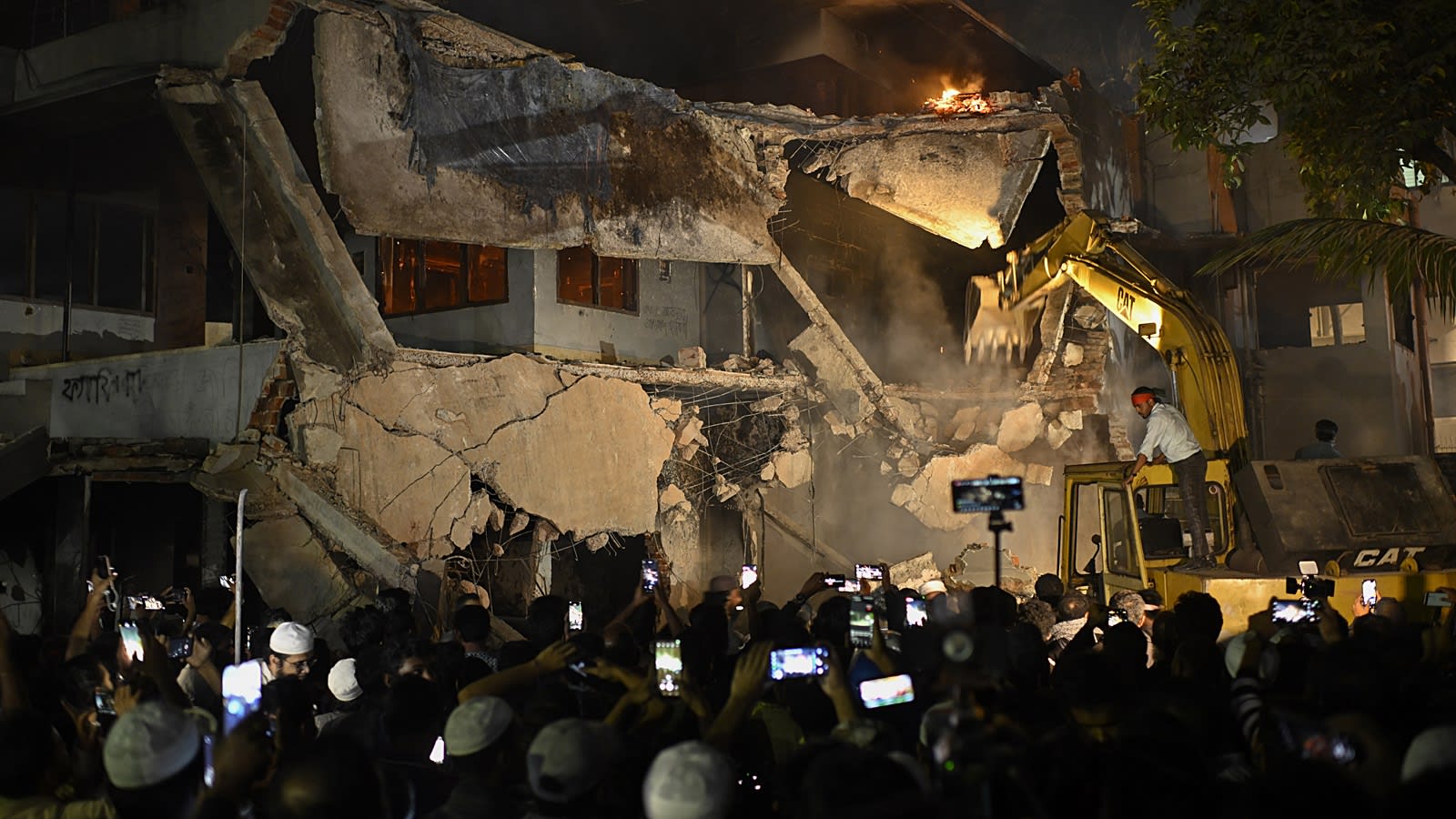
The International Crimes Tribunal (ICT) in Bangladesh has revealed evidence that bodies of victims from the July 2024 uprising were dumped into rivers near Dhaka to conceal evidence of violence.
Uncovering the Horrors: ICT Reveals Disposal of Uprising Victims in Bangladesh
The recent revelations by the International Crimes Tribunal (ICT) in Bangladesh have cast a grim light on the aftermath of the July 2024 uprising. Chief Prosecutor Aminul Islam has stated that investigators have uncovered evidence suggesting a systematic effort to dispose of the bodies of victims by dumping them into rivers near the capital city, Dhaka. This discovery points toward a calculated attempt to conceal the true scale of fatalities and the nature of the violence unleashed during the period of unrest, raising profound questions about the legality and morality of the state's response to the protests.
The Strategy of Concealment
The act of dumping bodies into rivers is a classic tactic used by regimes or security forces to eliminate forensic evidence and prevent the formal counting of casualties. By removing the physical remains from the scene or traditional burial sites, the perpetrators likely aimed to complicate the process of identification and autopsy, thereby hindering the ability of human rights organizations and legal bodies to document extrajudicial killings. The ICT's focus on these river-based disposal sites suggests that the investigation is now moving into a forensic phase aimed at recovering remains and linking them back to specific units or orders issued during the crackdown.
Legal Implications and the Role of the ICT
The involvement of the International Crimes Tribunal is significant, as it indicates that these actions are being viewed not merely as isolated incidents of police brutality, but as potentially systemic crimes against humanity. The ICT's mandate to prosecute the most serious crimes ensures that the investigation is framed within a legal structure capable of holding high-ranking officials accountable. The evidence of body disposal serves as a critical link in proving 'intent' and 'organization,' two key components required to elevate charges from simple homicide to crimes against humanity, as it demonstrates a coordinated effort to cover up mass violence.
Historical Context of the July 2024 Uprising
To understand the gravity of these findings, one must look at the volatility of the July 2024 uprising. The period was marked by intense student-led protests that evolved into a broader national movement, resulting in a violent clash between citizens and state security apparatuses. The resulting instability led to significant political shifts in Bangladesh. The discovery that bodies were dumped in rivers adds a layer of systemic cruelty to the historical record of this uprising, suggesting that the violence did not end with the act of killing but extended to the desecration and disappearance of the deceased.
The Human Cost and Lack of Closure
Beyond the legal and political ramifications, the dumping of bodies represents a profound humanitarian crisis for the families of the disappeared. In many cases, families have spent months searching for their loved ones without official confirmation of death. The revelation that bodies were cast into rivers explains the 'disappearance' phenomenon that plagued the aftermath of the uprising. This lack of closure prevents families from performing religious rites and mourning their dead, creating a lasting psychological scar on the Bangladeshi populace and deepening the mistrust between the citizenry and the state's security organs.
Future Trends in Accountability
Moving forward, the ICT's findings are likely to trigger a wider series of forensic excavations and river searches across the Dhaka region. We can expect a surge in DNA testing and the use of advanced recovery technology to identify the victims. This phase of the investigation will be critical in building a comprehensive case against those who ordered the crackdowns. Furthermore, these revelations will likely put pressure on the interim government to ensure total transparency and to collaborate with international human rights observers to validate the findings, ensuring that the path to national reconciliation is built on a foundation of truth and justice.
Summary
The ICT's discovery that victims of the July 2024 uprising were dumped in rivers near Dhaka exposes a disturbing effort to erase the evidence of mass killings. This finding elevates the legal stakes, shifting the narrative from spontaneous violence to coordinated crimes against humanity, while leaving thousands of families in a state of agonizing uncertainty.