Bank of Korea holds rates after President Lee calls for boosting housing supply
Source Entity
US Top News and Analysis
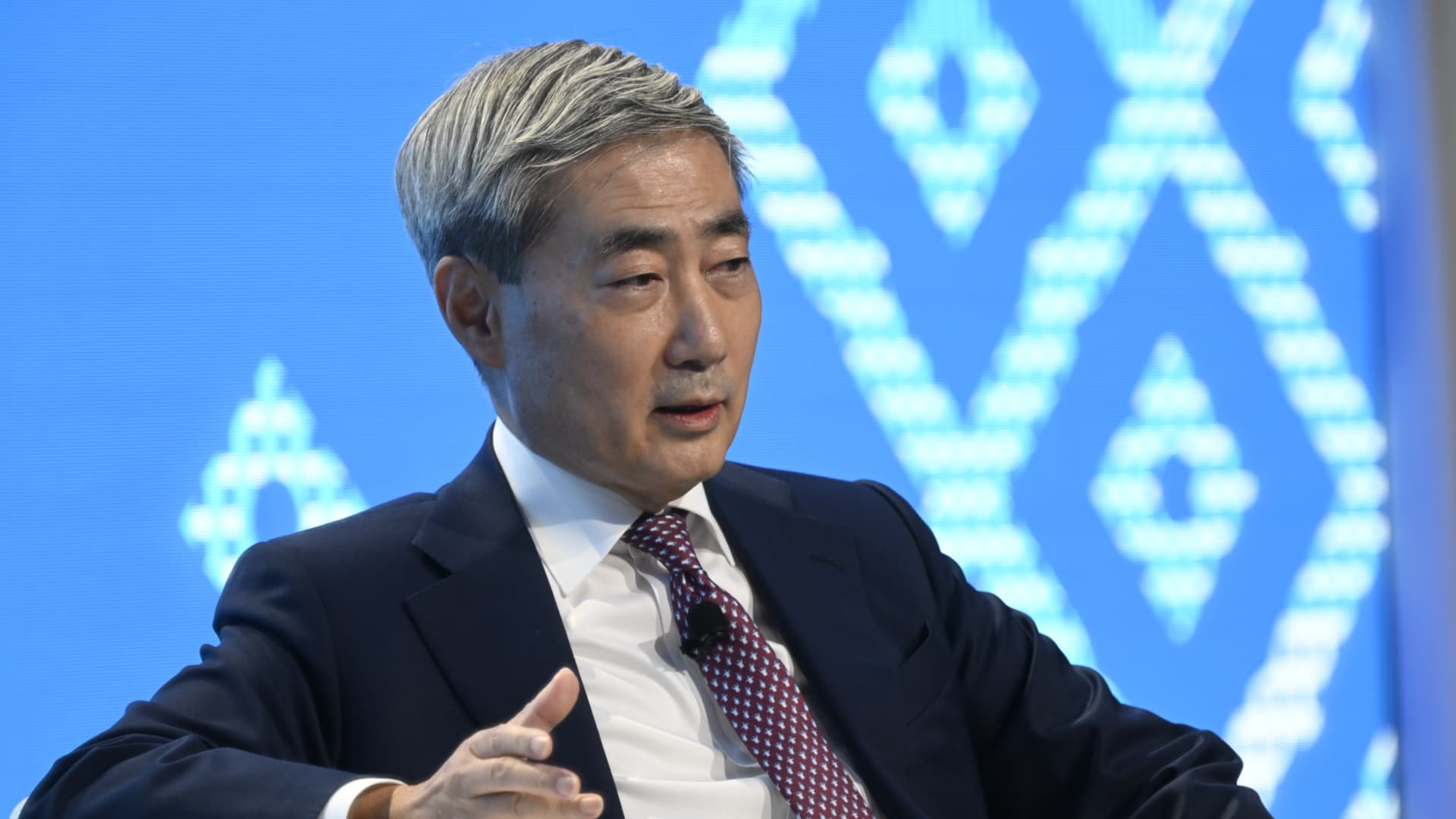
The Bank of Korea has maintained its interest rate at 3% following two consecutive hikes to address persistent inflation. This decision aligns with expert forecasts and follows calls from President Lee Jae Myung to increase national housing supply.
Bank of Korea Maintains Stance Amid Economic Pressures
In a move that aligned precisely with market expectations, the Bank of Korea (BOK) has opted to hold its policy interest rate at 3%. This decision arrives after a period of active monetary tightening, characterized by two consecutive rate hikes intended to curb inflationary pressures. The announcement, made on Thursday, underscores a cautious approach by the central bank as it navigates the delicate balance between cooling a persistent inflationary environment and maintaining economic stability.
The Inflationary Context
The necessity for a steady hand at the BOK is driven by the reality of South Korea’s current economic climate. With inflation recorded at 2.9% in September, the nation has now seen price levels remain at or above the central bank’s 2% target for 13 consecutive months. This sustained period of elevated inflation serves as the primary justification for the bank's recent history of interest rate hikes, as policymakers seek to anchor price expectations and prevent a broader erosion of purchasing power within Asia’s fourth-largest economy.
Political Interplay and Housing Supply
A notable dimension of this policy pause is the intersection of monetary policy and fiscal rhetoric. The decision follows reports that President Lee Jae Myung has demanded an "all-out effort" to boost housing supply. In many developed economies, housing shortages are a primary driver of cost-of-living increases. By focusing on supply-side solutions, the administration aims to alleviate the structural pressures on the housing market, which may eventually provide the BOK with more flexibility in its future interest rate decisions.
Expert Analysis and Market Expectations
Economists polled by Reuters had widely anticipated this pause, suggesting that the BOK’s move was well-telegraphed to the financial markets. Analysts from ING have noted that this pause is unlikely to signal a permanent shift in the bank's overall hawkish stance. Instead, it represents a tactical pause to assess the cumulative impact of previous hikes on the broader economy before determining the next course of action.
Global Perspectives on Monetary Policy
The broader context of this decision was highlighted during recent international discourse, including a fireside chat featuring BOK Governor Shin Hyun Song at the IMF and World Bank annual meetings in Bangkok. These global platforms provide a venue for central bankers to synchronize their strategies against a backdrop of global economic volatility. The BOK’s focus remains on navigating the transition from a high-inflation environment toward a more stable equilibrium, a challenge shared by many of its international counterparts.
Future Outlook
Looking ahead, the interplay between the BOK’s interest rate policy and the government’s housing agenda will remain the focal point for investors and policymakers alike. While the current pause provides a brief respite for the market, the sustained nature of inflation suggests that the central bank will remain vigilant. Future decisions will likely hinge on whether supply-side housing reforms can effectively mitigate domestic price pressures, thereby allowing the BOK to shift its focus toward sustainable long-term economic growth.