Draft GST return forms to be put up on ‘myGov.in’ portal on November 1 for public comments
Source Entity
India Latest News: Top National Headlines Today & Breaking News | The Hindu
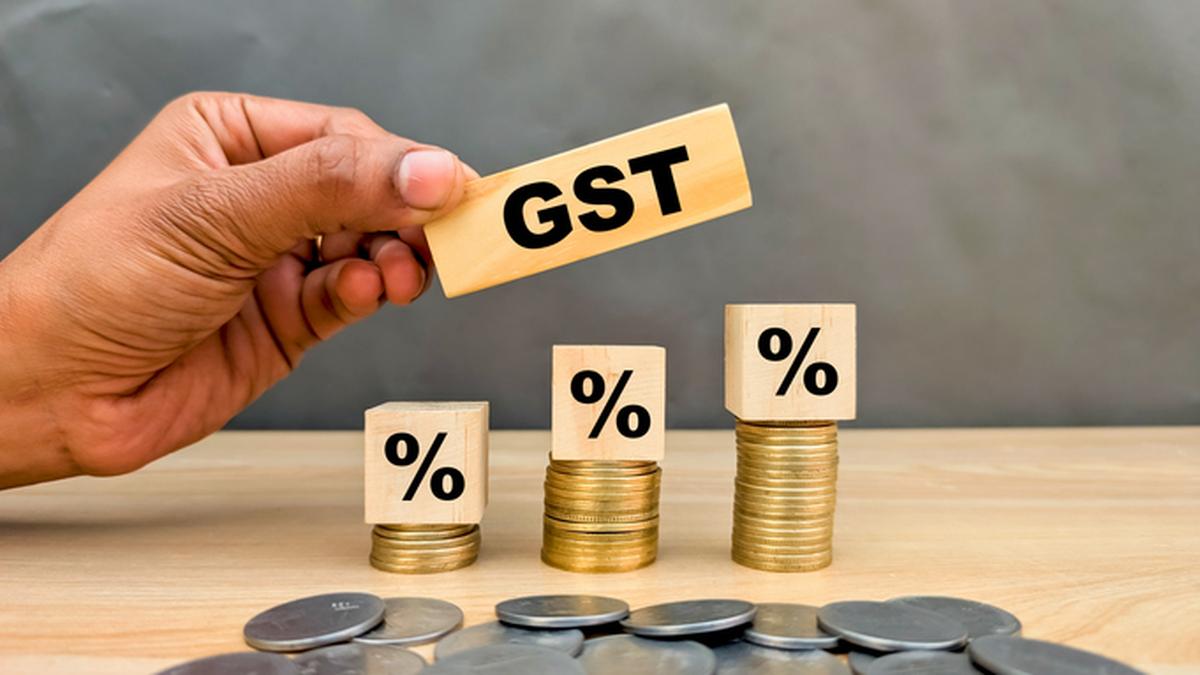
The Finance Ministry is releasing draft GST return forms on the myGov.in portal for public consultation starting November 1. This initiative aims to reduce the high volume of mismatch notices by streamlining GSTR-1, 1A, and IFF forms ahead of their April 2027 implementation.
Streamlining India's Tax Infrastructure: The New GST Form Overhaul
In a significant move to enhance the ease of doing business, the Finance Ministry has announced that it will publish revamped Goods and Services Tax (GST) return forms for public consultation on the 'myGov.in' portal starting November 1, 2026. This initiative follows the approval of the draft GSTR-1, GSTR-1A, and Invoice Furnishing Facility (IFF) forms during the 57th GST Council meeting held on October 8. By inviting public feedback through November 30, the government aims to ensure that the transition to these simplified forms is both transparent and effective.
Addressing the 'Mismatch' Crisis
According to Gaurav Singh, Commissioner of the GST Policy Wing at the Central Board of Indirect Taxes (CBIC), the current GST framework suffers from a critical inefficiency: a persistent mismatch of returns. This systemic issue has led to a staggering 80% of notices being issued to taxpayers, creating unnecessary compliance burdens and administrative strain. These notices often stem from discrepancies between outward supplies reported by sellers and the corresponding records of recipients, a hurdle the government is now actively attempting to rectify.
The Path to Implementation
Following the consultation period, the government intends to finalize these forms for a rollout on April 1, 2027. This timeline provides businesses with a crucial window to update their internal accounting software and align their reporting processes with the new requirements. By proactively addressing the pain points identified by the GST Policy Wing, the CBIC is signaling a shift toward a more taxpayer-friendly compliance ecosystem that prioritizes accuracy over punitive enforcement.
Broader Economic Implications
For the Indian economy, the success of this reform is vital. A more streamlined GST filing process reduces the friction associated with indirect tax compliance, potentially lowering costs for small and medium-sized enterprises (SMEs) that often bear the brunt of administrative complexities. As the government seeks to widen the formal economy's tax base, reducing the frequency of mismatch notices is an essential step in building trust between the tax authorities and the business community.
Future Trends in Digital Taxation
This move toward digital consultation via 'myGov.in' reflects a broader trend of leveraging digital infrastructure to refine policy-making. As the GST system matures, the focus is shifting from initial implementation to optimization. If successful, the new forms could set a benchmark for data synchronization across the GST network, potentially serving as a model for future tax reforms in other sectors. The long-term success of this initiative will ultimately depend on how effectively the government incorporates public feedback to ensure the new forms are intuitive and robust enough to handle the complexities of modern commerce.
Verification Required?