Opinion: Opinion | Bankipur, And Why The Most Dangerous Voter Is The One Who Thinks Again
Source Entity
NDTV News Search Records Found 1000
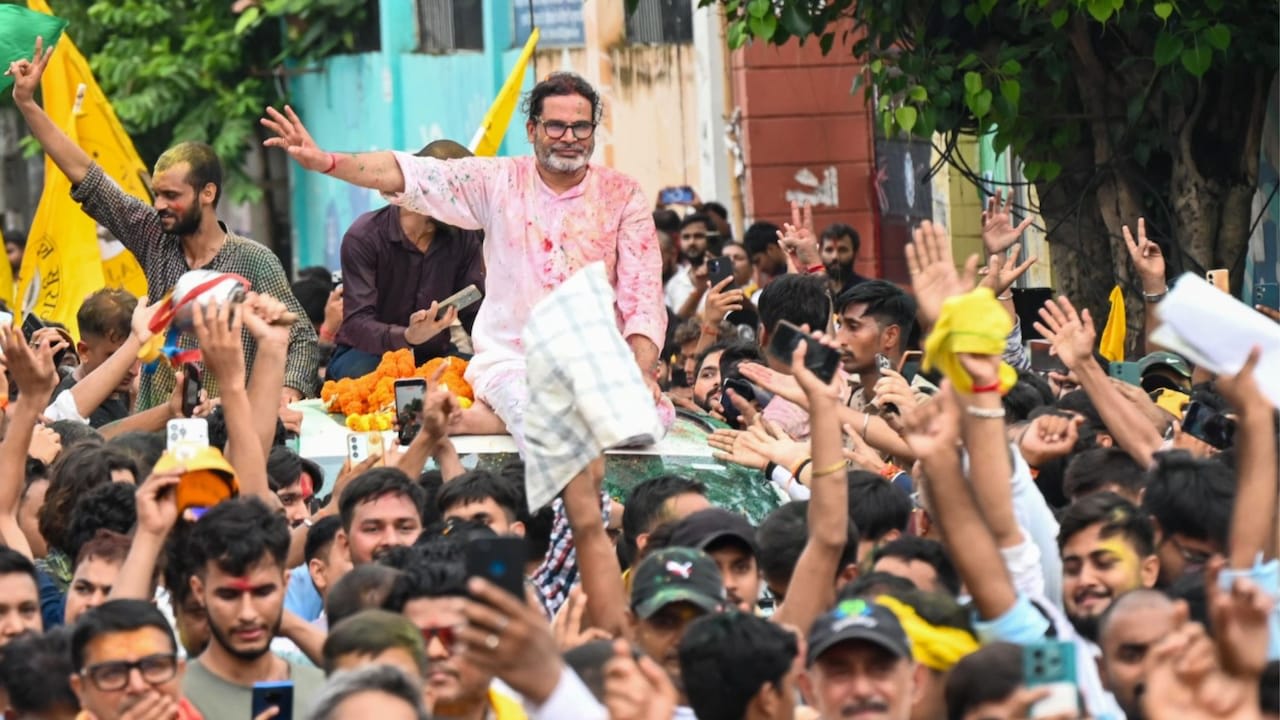
The political discourse surrounding Bankipur highlights the complexity of voter demographics and election analysis. Caution is advised when interpreting individual victories as broader political phenomena.
The Complexity of Bankipur's Political Landscape
The political landscape of Bankipur serves as a unique case study in electoral behavior, often drawing comparisons to urban hubs like NOIDA in Uttar Pradesh. This comparison underscores a fundamental truth in Indian electoral politics: urban centers often possess demographic profiles and voter lists that diverge sharply from the surrounding rural hinterlands. In Bihar, Bankipur stands out as a distinct entity, suggesting that its electoral outcomes cannot be easily extrapolated to represent the state at large.
The Perils of Early Election Forecasting
When analyzing political shifts, there is a recurring tendency for observers to label specific victories as 'phenomena' prematurely. The discourse surrounding Prashant Kishor’s influence—often referred to as 'Kishor’s win'—requires a cautious approach. By framing these results within the context of Bankipur’s unique voter base, one must recognize that a localized success does not necessarily signal a tectonic shift in state-wide political alignments. Over-interpreting such results can lead to distorted narratives that ignore the structural nuances of the electorate.
The 'Dangerous' Voter: The Power of Re-evaluation
Central to the analysis of Bankipur is the notion of the 'dangerous voter'—the individual who engages in the act of 'thinking again.' In political science, this represents the critical, undecided, or swing voter who refuses to adhere to traditional caste-based or party-line voting patterns. This shift in behavior challenges political strategists who rely on static data and historical voting blocs, making the electoral process increasingly volatile and unpredictable.
Contextualizing Demographic Divergence
The comparison to NOIDA is not merely geographical but socio-economic. Like the urban sprawl of the National Capital Region, Bankipur’s voter list reflects a more mobile, educated, and perhaps less traditional population than the rest of Bihar. This demographic reality means that political campaigns tailored for rural Bihar may fail to gain traction in Bankipur, and conversely, success in Bankipur may not translate to broader success in the state’s more traditional districts.
Future Trends in Political Strategy
As voters become more discerning, the future of electoral strategy will likely pivot toward hyper-localized data analysis. The 'dangerous' voter—who exercises the right to change their mind—will force parties to move beyond populist promises and toward more nuanced engagement. We can expect that future electoral cycles will see a significant decline in the reliability of traditional 'vote bank' theories as the influence of informed, critical voters continues to grow.
Concluding Thoughts
Ultimately, the situation in Bankipur serves as a reminder to political analysts and journalists alike: exercise restraint when declaring new political eras. While individual victories and strategic maneuvers are significant, they are merely threads in a much larger, more complex tapestry of Indian democracy. The true power remains with the voter who reflects, questions, and ultimately decides, rendering the most 'dangerous' voter the one who refuses to be taken for granted.
Verification Required?