Meta-Centre Row Live Updates: Government Wants Mark Zuckerberg's Apology
Source Entity
NDTV News Search Records Found 1000
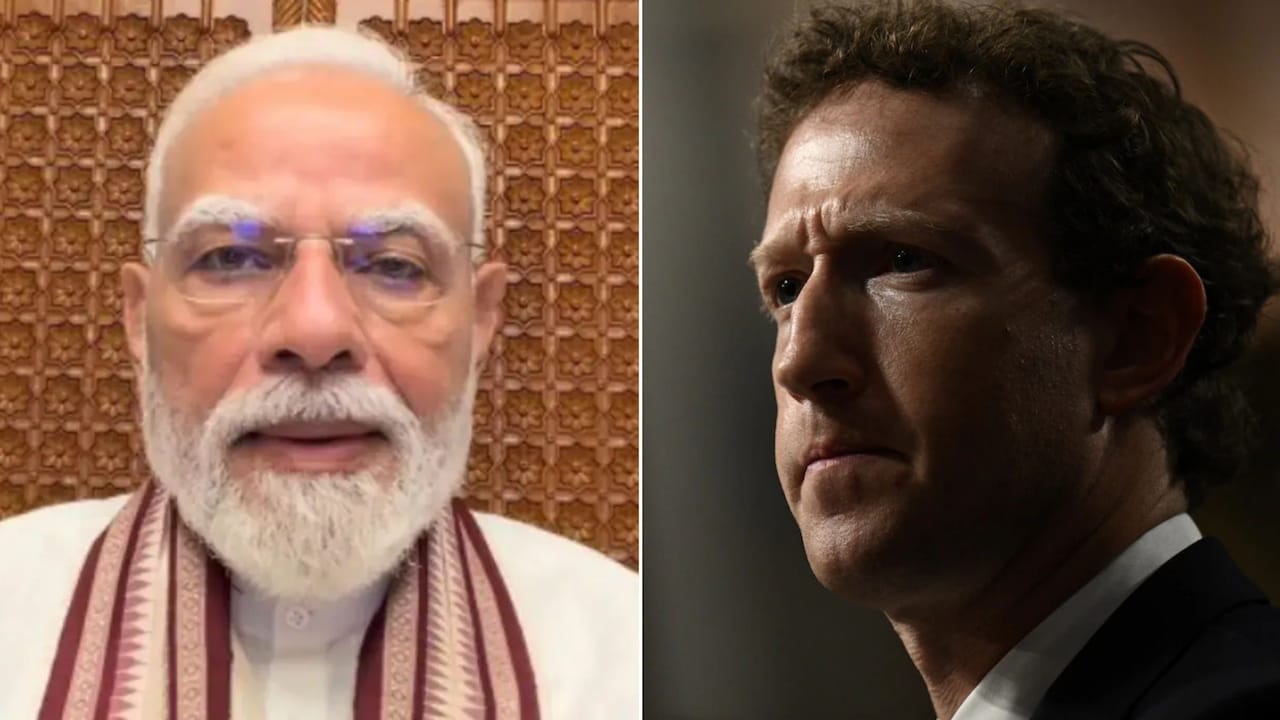
A parliamentary panel led by BJP MP Nishikant Dubey has demanded an apology from Meta following the deletion of a video featuring Prime Minister Narendra Modi. The committee has characterized this action as a direct attack on the democratic representation of India's citizens.
The Meta-Government Confrontation: An Analysis
The Core Dispute
The recent parliamentary panel session, spearheaded by BJP MP Nishikant Dubey, has ignited a significant controversy regarding the operational autonomy of social media platforms versus the sovereign representation of elected officials. At the heart of this conflict is the removal of a video featuring Prime Minister Narendra Modi by Meta, an action that the committee has formally labeled an "attack on democracy."
Defining the Democratic Stakes
By framing the deletion as an affront to the representative of 1.4 billion Indians, the panel is elevating the incident beyond a simple technical moderation error. This narrative suggests that when platforms remove content from high-ranking political figures, they are not merely enforcing "Community Standards" but are actively interfering with the democratic discourse of a nation. This perspective underscores the growing tension between global tech conglomerates and national governments.
The Demand for Accountability
The committee’s demand for an apology from Mark Zuckerberg signifies a strategic move to establish clear lines of accountability for Big Tech. By insisting that Meta acknowledge the gravity of silencing a head of state, the Indian parliamentary panel is signaling that digital platforms must operate with a heightened awareness of their impact on national political ecosystems and constitutional representation.
Historical Context of Platform Moderation
This incident mirrors a global trend where governments are increasingly scrutinizing the algorithmic power of social media companies. Historically, platforms have maintained that their content moderation policies are neutral and automated. However, as these platforms become the primary vehicles for political communication, the line between "content management" and "political censorship" has become increasingly blurred, leading to the current legislative pushback.
Broader Implications for Global Tech Policy
The outcome of this row could have lasting implications for how social media companies manage political content in India and beyond. If Meta is forced to issue a formal apology or alter its moderation protocols to exempt or prioritize content from political heads, it could set a precedent for how tech companies navigate local political sensitivities while attempting to maintain global standards of content moderation.
Future Trends in Digital Governance
Looking forward, this event marks a shift toward more robust state oversight of digital platforms. We can expect future legislation to focus heavily on the transparency of moderation practices and the establishment of grievance redressal mechanisms that prevent the "accidental" or unexplained removal of political discourse. The demand for an apology is likely just the beginning of a larger regulatory restructuring regarding digital sovereignty.
Verification Required?