Extending creamy layer to SC, ST is Parliament’s call: Government to Supreme Court
Source Entity
The Indian Express
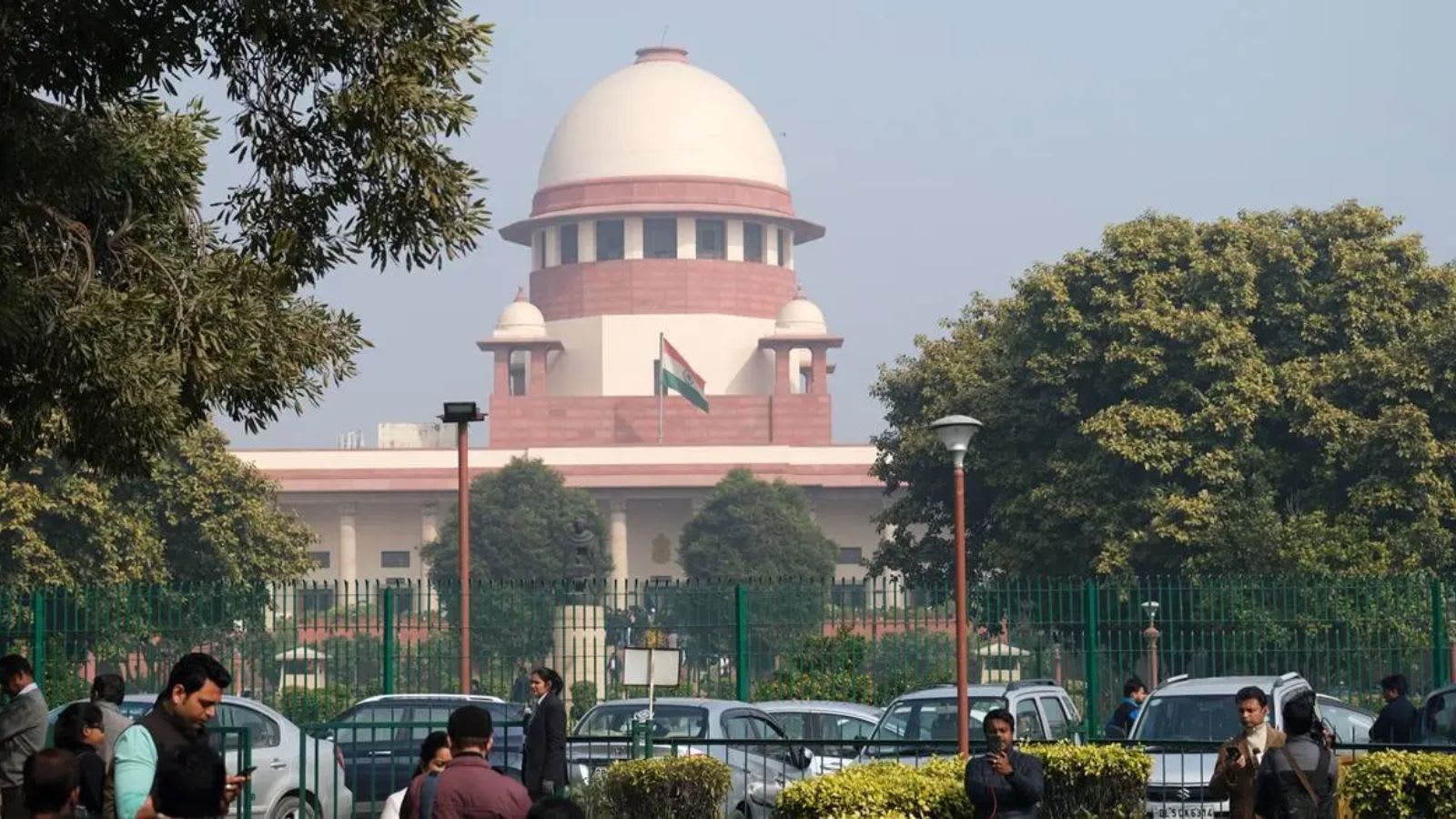
The Indian government has urged the Supreme Court to reject pleas to apply the 'creamy layer' concept to SC/ST reservations. Officials argue that such modifications require parliamentary action and must be based on rigorous empirical socio-economic data.
The Constitutional Debate on Reservation Policy
The Indian government has formally communicated to the Supreme Court its stance against extending the 'creamy layer' exclusion—a policy currently applicable to Other Backward Classes (OBC)—to Scheduled Castes (SC) and Scheduled Tribes (ST). In its affidavit, the Ministry of Social Justice and Empowerment emphasized that reservation is not merely an economic instrument but a mechanism designed to address deep-seated historical and social disadvantages. By asserting that discrimination against these communities persists regardless of economic standing, the government has signaled a firm commitment to the existing framework of affirmative action.
The Role of Parliament vs. Judiciary
A critical component of the government's argument is the separation of powers. The Centre maintains that any modification to the structure of SC/ST reservations, particularly the introduction of income-based exclusions, falls exclusively within the domain of Parliament. By urging the Supreme Court to reject pending petitions on this matter, the government is reinforcing the principle that legislative policy regarding caste-based classification is a matter for elected representatives, who are theoretically better positioned to navigate the complex social dynamics of the country.
Need for Empirical Evidence
The affidavit highlights that any significant shift in reservation policy must be preceded by a holistic review and empirical study. The government argues that simplistic economic metrics do not capture the nuance of social backwardness. To alter the current system, the state suggests that comprehensive socio-economic data on current beneficiaries is required. This indicates a cautious approach, implying that the government is unwilling to support judicial intervention without a robust, data-backed consensus that considers the long-term impact on social equity.
Historical Context and Social Justice
Reservation in India was conceived as a corrective measure to rectify centuries of systemic exclusion. The government’s argument underscores that while economic status is a factor in modern mobility, it does not erase the social reality of caste-based discrimination. By distinguishing SC/ST categories from the 'creamy layer' logic applied to OBCs, the state is reaffirming the unique historical context of the SC/ST communities, which were subjected to unique forms of marginalization that are distinct from the socio-economic criteria used for other groups.
Future Implications and Trends
This legal standoff sets the stage for a prolonged debate between judicial oversight and legislative authority. As the Supreme Court continues to interpret the boundaries of the Constitution, the government’s insistence on parliamentary primacy suggests that any move to introduce a 'creamy layer' for SC/STs will remain a highly contentious political issue. Moving forward, the reliance on empirical data will likely become the standard for any future policy shifts, ensuring that changes to reservation quotas are grounded in objective reality rather than political expediency.
Conclusion
In summary, the government's position reinforces the status quo, prioritizing the historical mandate of reservation over modern calls for economic-based exclusion. By demanding that any such change be grounded in empirical research and legislative approval, the Centre has effectively shifted the burden of proof to those advocating for the change, ensuring that the foundational principles of Indian affirmative action remain intact for the foreseeable future.