Backward Classes leaders in A.P. demand fair deal
Source Entity
India Latest News: Top National Headlines Today & Breaking News | The Hindu
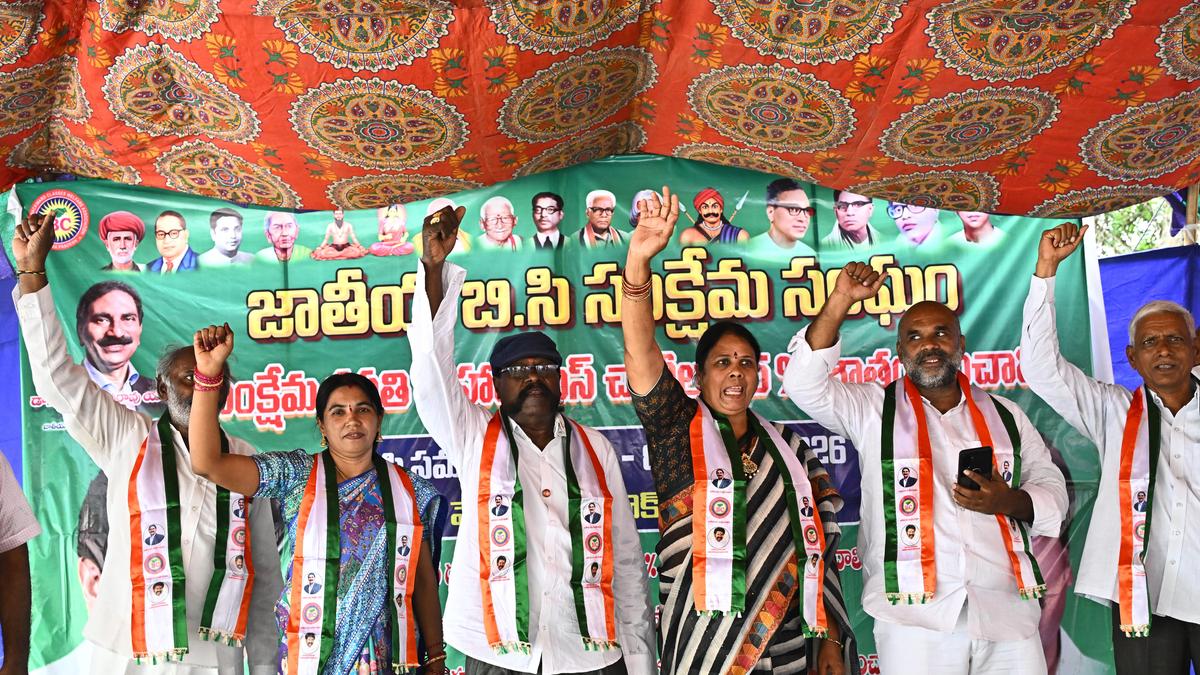
The National BC Welfare Association in Andhra Pradesh has issued a set of demands for the Backward Classes, including improved facilities at welfare hostels, 34% reservation in local self-government institutions, and the enactment of a law to prevent social discrimination and humiliation.
Advocacy for Equity: Analyzing the Demands of Backward Classes in Andhra Pradesh
The National BC Welfare Association has recently intensified its advocacy for the rights and dignity of Backward Classes (BCs) in Andhra Pradesh. By demanding a 'fair deal' from the state government, the association is highlighting systemic gaps in social welfare, political representation, and legal protection. These demands are not merely administrative requests but are rooted in a long-standing struggle for social justice and the desire to bridge the socio-economic divide that continues to plague marginalized communities in the region.
Improving Educational Infrastructure
One of the primary demands centers on the provision of basic amenities at welfare hostels. For students from Backward Classes, these hostels are often the only viable means of accessing higher education, as they provide the necessary residential support for those coming from rural or impoverished backgrounds. When these facilities lack basic amenities—such as clean drinking water, proper sanitation, and adequate nutrition—it creates an environment that hinders academic success. Ensuring high-standard living conditions in these hostels is critical for fostering an atmosphere of equality and empowering BC students to compete on a level playing field with their more privileged peers.
Political Empowerment through Reservations
The demand for 34% reservations in local self-government institutions represents a push for grassroots political empowerment. Local bodies, including Gram Panchayats and Municipalities, are the most direct points of contact between the citizen and the state. By securing a guaranteed quota, BC leaders aim to ensure that the voices of these communities are not just heard but are influential in the decision-making processes that determine local development and resource allocation. This move is designed to break the traditional hegemony of dominant castes in local governance and ensure a more inclusive democratic process.
Legal Safeguards Against Social Humiliation
Perhaps the most poignant demand is the call for an Act to prevent discrimination and social humiliation. Despite constitutional protections, caste-based discrimination and the practice of social shaming remain persistent issues in various parts of Andhra Pradesh. The demand for a specific legislative framework suggests that existing laws may be insufficient or poorly enforced. A dedicated Act would provide a stronger legal deterrent against those who perpetrate social exclusion, offering victims a more streamlined path to justice and reinforcing the constitutional mandate of human dignity for all citizens regardless of their caste.
The Political and Social Implications
From a political perspective, the Backward Classes constitute a significant and influential voting bloc in Andhra Pradesh. Any government seeking a stable mandate must address the grievances of this demographic. The timing of these demands often coincides with shifts in the political climate, reflecting a strategic effort to hold the administration accountable. If the state government fails to address these issues, it risks alienating a core constituency, potentially fueling further social unrest or shifting political loyalties toward opposition parties that promise more concrete concessions.
Conclusion: The Path Toward Inclusive Growth
In summary, the demands put forth by the National BC Welfare Association—ranging from infrastructure and political quotas to legal protections—form a comprehensive blueprint for the social upliftment of Backward Classes. Addressing these concerns is not only a matter of political expediency but a moral imperative for the state of Andhra Pradesh. By integrating these demands into policy, the government can move toward a more equitable society where educational access, political power, and social dignity are guaranteed for every citizen, regardless of their social origin.
Verification Required?