‘He would pick arguments’: Neighbours on Bengaluru man accused of killing wife, 6 relatives
Source Entity
Latest News: Todays Latest News Headlines from India & World | Hindustan Times
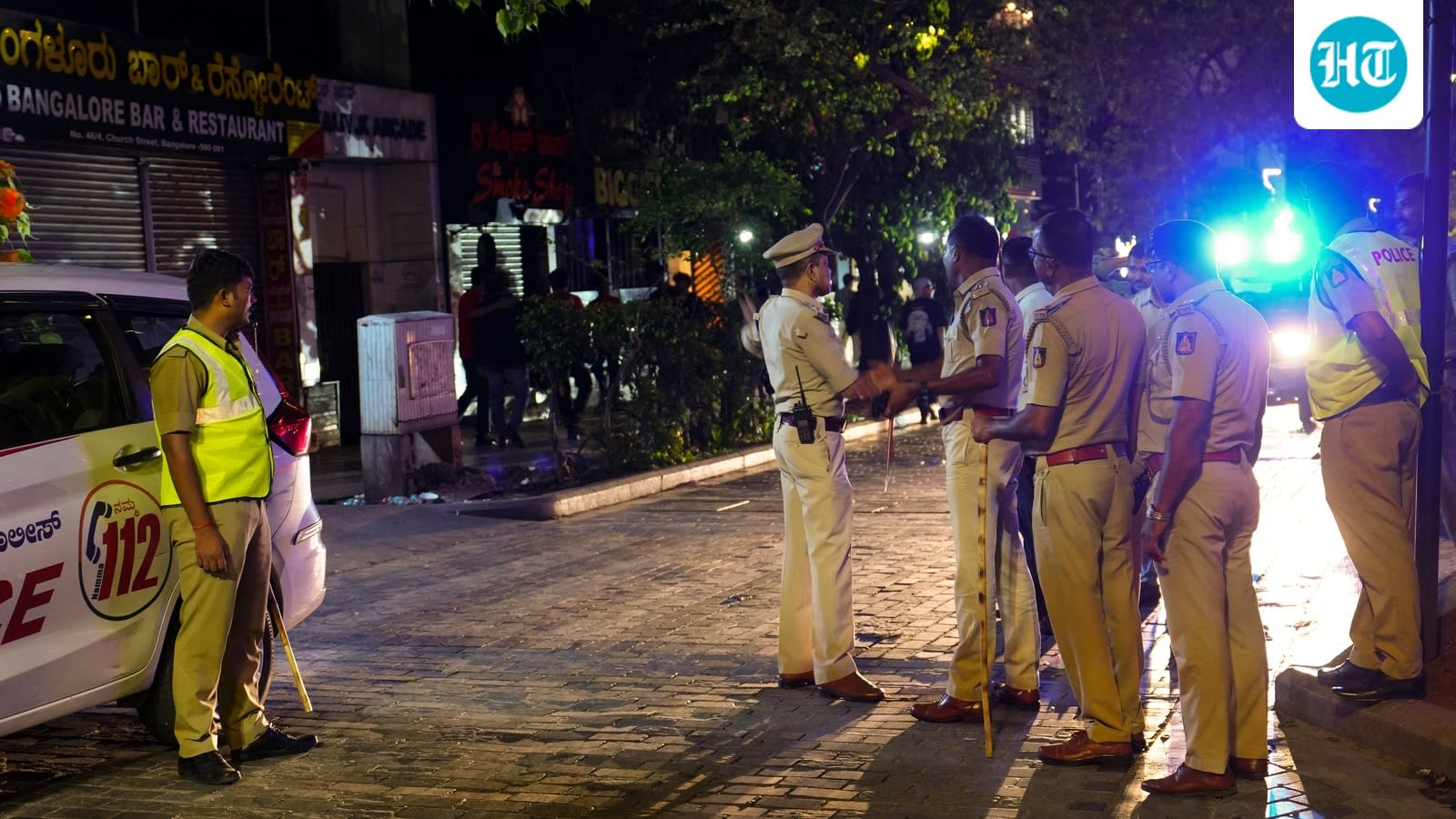
S Indushekar, a Bengaluru-based man, is accused of murdering seven relatives over a three-week period. He allegedly coerced the 10-year-old son of one victim to send fake messages to family members to conceal the crimes.
The Bengaluru Tragedy: A Study in Deception and Brutality
The recent arrest of S Indushekar in Bengaluru has sent shockwaves through the community, revealing a disturbing case of calculated violence that spanned several weeks. Indushekar, 52, stands accused of murdering his wife, her mother, her brothers, their wives, and a seven-year-old relative. This series of killings, occurring over a period of 15 to 20 days, highlights a chilling level of premeditation that has left authorities scrambling to piece together the timeline of these gruesome events.
A History of Volatility
Before these allegations surfaced, Indushekar was already a polarizing figure in his Rajajinagar neighborhood. Known for his aggressive demeanor, he frequently engaged in disputes with neighbors and had a history of making unsubstantiated claims, including asserting ownership over his landlord's property. His self-identification as a journalist—operating a small local newspaper and a YouTube channel—appears to have been a facade used to intimidate those around him. This history of erratic behavior and conflict provides context for the eventual escalation into extreme violence.
The Manipulation of a Child
The most harrowing aspect of the investigation involves the treatment of the 10-year-old son of victims Shankar and Nalini. According to police reports, Indushekar systematically coerced the child into maintaining a facade of normalcy. By forcing the boy to record voice messages on his parents' phones, Indushekar successfully misled concerned relatives for days, claiming the family was away on a pilgrimage or a three-month tour of North India. This psychological manipulation underscores the lengths to which the suspect went to evade detection.
Evidence of Cold-Blooded Execution
Investigative details suggest that the perpetrator operated with a degree of cold-blooded efficiency. The boy reported being driven by Indushekar to Nandi Hills, where he witnessed the suspect discarding heavy gunny bags. The child’s growing suspicion, sparked by a foul odor emanating from the car, eventually became a pivotal clue for law enforcement. The ability of the suspect to carry out these actions in a densely populated urban environment raises critical questions about social isolation and the failure of community oversight.
Broader Implications and Future Trends
This case highlights the risks posed by individuals who weaponize social status—such as the title of 'journalist'—to operate with impunity in local neighborhoods. As Bengaluru continues to expand, the anonymity provided by crowded residential areas can inadvertently shield dangerous individuals from scrutiny. The tragic exploitation of a minor to facilitate a cover-up is a particularly grim trend that necessitates greater awareness among families to recognize signs of coercion and psychological distress in children who are suddenly separated from their primary caregivers.
Conclusion
As the Bengaluru Police continue their investigation, the case of S Indushekar serves as a somber reminder of the vulnerabilities inherent in urban social structures. The systematic nature of these murders, coupled with the psychological abuse of a child, paints a portrait of a calculated perpetrator. Moving forward, the legal proceedings will focus on the forensic evidence gathered from the sites where the suspect discarded evidence, seeking justice for the seven victims whose lives were cut short in this senseless tragedy.
Verification Required?