Two traffic police personnel caught on camera taking bribes in Bengaluru
Source Entity
India Latest News: Top National Headlines Today & Breaking News | The Hindu
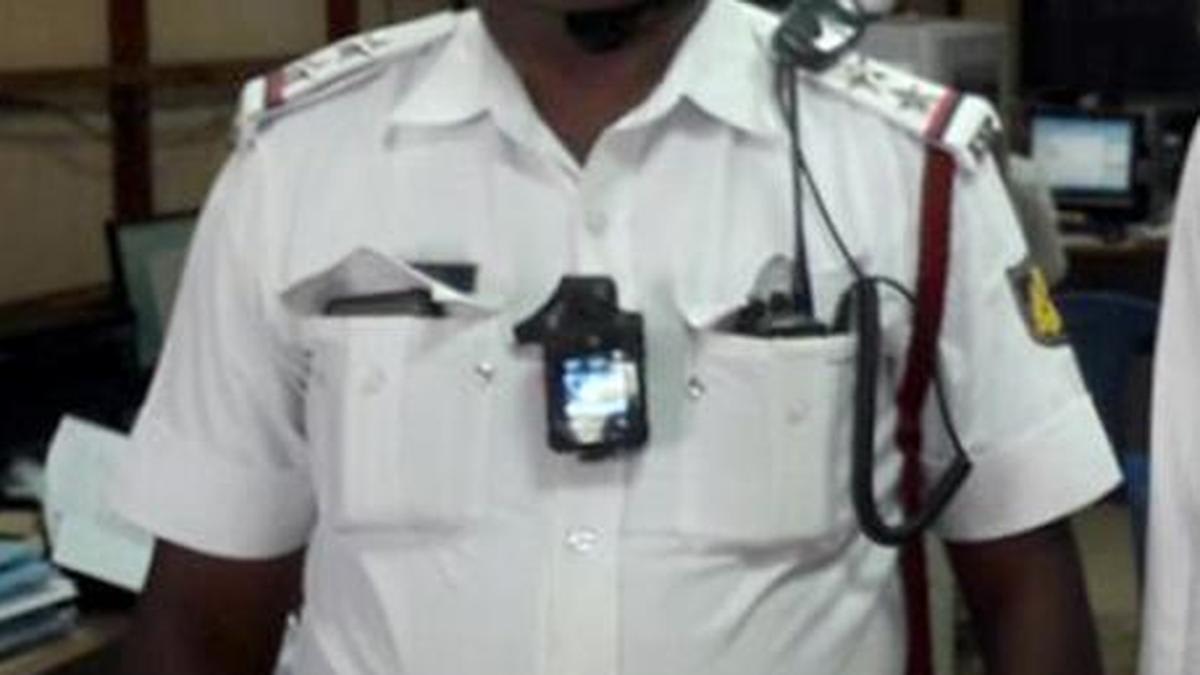
Two Bengaluru traffic police officers were suspended after being caught on camera accepting bribes from motorists. These incidents highlight ongoing concerns regarding corruption and enforcement tactics within the city's traffic department.
Corruption Allegations in Bengaluru Traffic Enforcement
Recent reports have brought to light a troubling pattern of corruption within the Bengaluru Traffic Police, as two separate incidents of personnel accepting bribes were captured on camera this past Saturday. Among those implicated is a head constable, Somashekhar, stationed at the Pulakeshinagar Traffic Police Station. Following an investigation into the allegations, Deputy Commissioner of Police (East Traffic) Sahil Bagla issued a formal suspension order, signaling that the department is taking immediate administrative action to address these breaches of professional conduct.
The Mechanics of Extortion
The specific incident involving Somashekhar underscores a coercive method of operation that undermines public trust. According to reports, the officer allegedly targeted a truck driver, Syed Afroz, who was transporting an iron-laden lorry. During a routine vehicle inspection, the head constable reportedly demanded a bribe of ₹5,000. To ensure compliance, the officer allegedly threatened the driver with the prospect of formal legal proceedings and heavy fines, effectively weaponizing the fear of bureaucratic entanglement to extract illicit payments.
Technological Accountability and Citizen Vigilance
A critical element in these developments is the role of digital documentation. The fact that the truck driver was able to record the interaction serves as a testament to the increasing efficacy of civilian surveillance in holding public servants accountable. In an era where mobile technology is ubiquitous, the ability for citizens to document interactions with law enforcement provides a powerful check against the abuse of authority. This incident suggests that transparency is increasingly being enforced from the bottom up, forcing departments to react to visual evidence of misconduct.
Institutional Response and Internal Oversight
The swift suspension of the involved officer by the Deputy Commissioner of Police reflects an institutional recognition of the damage such actions cause to the reputation of the police force. By acting decisively, the Bengaluru East Traffic division aims to maintain the integrity of its enforcement operations. However, these incidents raise broader questions about the internal mechanisms in place to prevent such corruption before it occurs, rather than merely punishing offenders after the fact.
Broader Implications for Traffic Policing
These events are emblematic of a larger challenge facing metropolitan traffic departments across India: the need to balance strict traffic regulation with the prevention of harassment. When officers prioritize personal gain over road safety, the fundamental mission of traffic law enforcement is compromised. For the public, these incidents reinforce a negative perception of routine inspections, potentially leading to increased tension between motorists and authorities. Moving forward, the department may need to implement more rigorous body-worn camera requirements or digitize fine payments further to eliminate cash-based interactions that facilitate bribery.
Conclusion
The suspension of Somashekhar and the investigation into the second officer serve as a reminder that the integrity of law enforcement is paramount to public order. As Bengaluru continues to expand, the pressure on traffic police to manage complex logistics and enforcement will only increase. Ensuring that these officers operate with transparency and ethical rigor is essential to restoring public confidence and ensuring that traffic enforcement remains a tool for safety rather than a vehicle for extortion.
Verification Required?