Asked not to take video of CPR treatment, patient’s son assaults doctor at Sassoon hospital
Source Entity
Chandan Haygunde
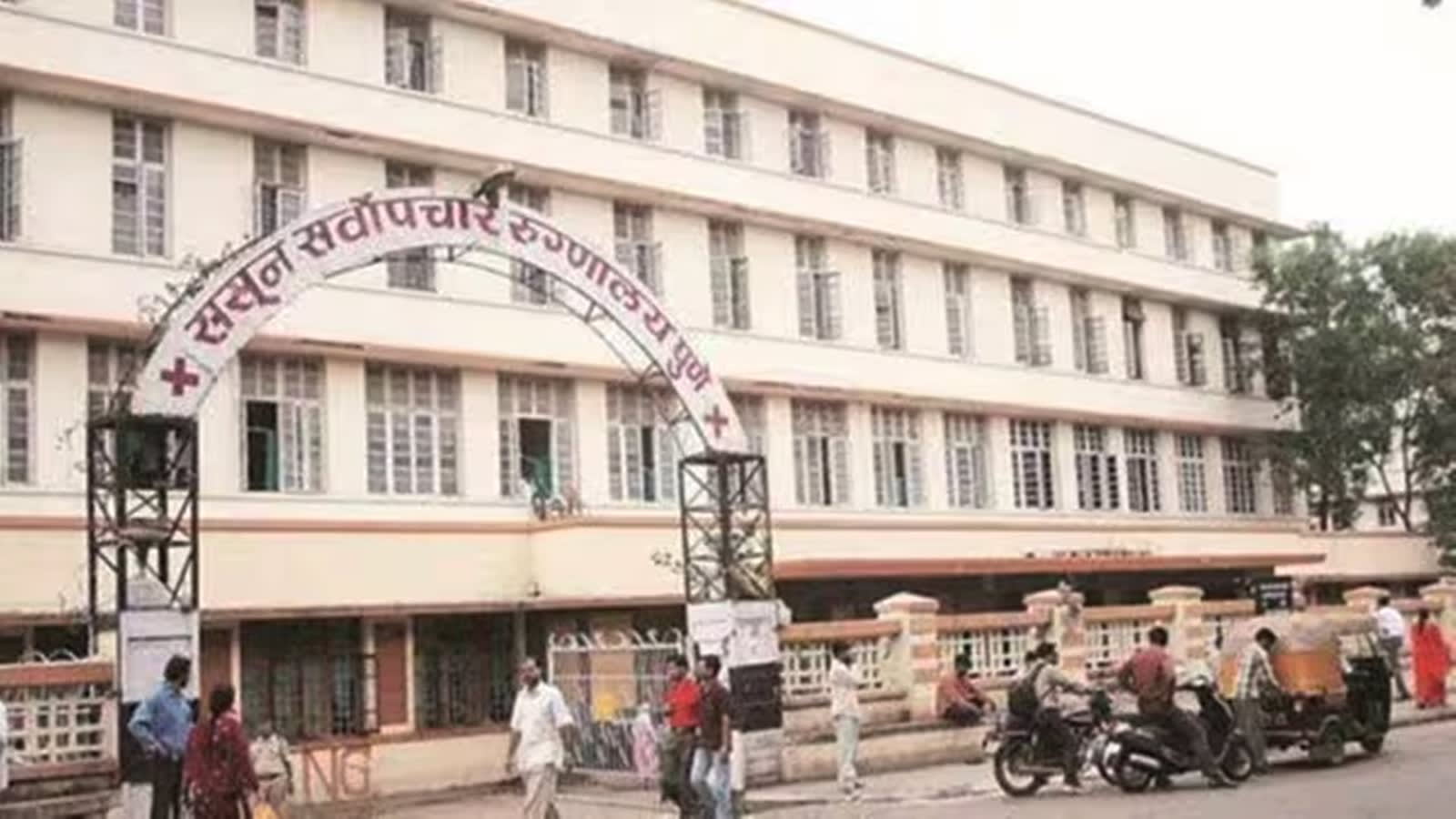
A doctor at Sassoon General Hospital was assaulted by a patient's son after requesting he stop filming a CPR procedure. The patient subsequently passed away, and police have registered an FIR against the accused.
Assault at Sassoon General Hospital: A Crisis of Clinical Boundaries
The Incident Overview
A disturbing incident of workplace violence occurred at the government-run Sassoon General Hospital, where a trainee doctor was physically assaulted by the son of a patient. The confrontation was ignited when the doctor requested that the individual cease recording video footage of a life-saving cardiopulmonary resuscitation (CPR) procedure being performed on his father. Despite the medical team's urgent efforts, the patient tragically succumbed to a heart attack.
The Erosion of Professional Autonomy
The act of filming medical procedures in emergency settings represents a growing challenge for healthcare professionals. Medical ethics dictate that the integrity of the emergency ward must be maintained to ensure patient privacy and the unimpeded performance of life-saving tasks. When a family member chooses to film, it not only creates a distraction for the clinician but also risks violating the sanctity of the doctor-patient relationship and the privacy rights of the deceased.
Legal Ramifications and Security Concerns
Following the altercation, the Bundgarden police station registered an FIR against the 30-year-old accused from Ghorpadi. This incident highlights the recurring issue of violence against medical staff in public hospitals. The legal system serves as a necessary deterrent, yet the frequency of such occurrences suggests that security protocols within government health facilities require a significant overhaul to protect staff from aggressive attendees.
The Psychological Burden of Emergency Care
For trainee doctors, the emergency ward is a high-pressure environment where split-second decisions are made. Being confronted with physical aggression while attempting to perform complex, life-saving measures like CPR imposes an immense psychological burden on medical staff. This event underscores the vulnerability of healthcare workers who operate under extreme stress, often exacerbated by the grief and volatile behavior of families during medical crises.
Broader Implications for Public Healthcare
This incident at Sassoon General Hospital is reflective of the broader systemic challenges facing India's public healthcare infrastructure. High patient volumes, coupled with limited resources and the emotional volatility of families, create a combustible atmosphere. To prevent future occurrences, hospitals must implement stricter policies regarding the presence of bystanders in emergency areas and bolster security personnel to ensure that medical professionals can perform their duties without fear of physical harm.
Conclusion
The assault serves as a grim reminder of the tensions inherent in high-stakes medical environments. As investigations proceed, the focus must remain on ensuring justice for the assaulted doctor while fostering an environment of mutual respect and safety. Protecting those who provide emergency care is not merely an administrative requirement but a fundamental necessity for the functionality of our public health systems.