Pune MLC polls: MVA banks on educational networks, BJP on ground strength
Source Entity
Ajay Jadhav
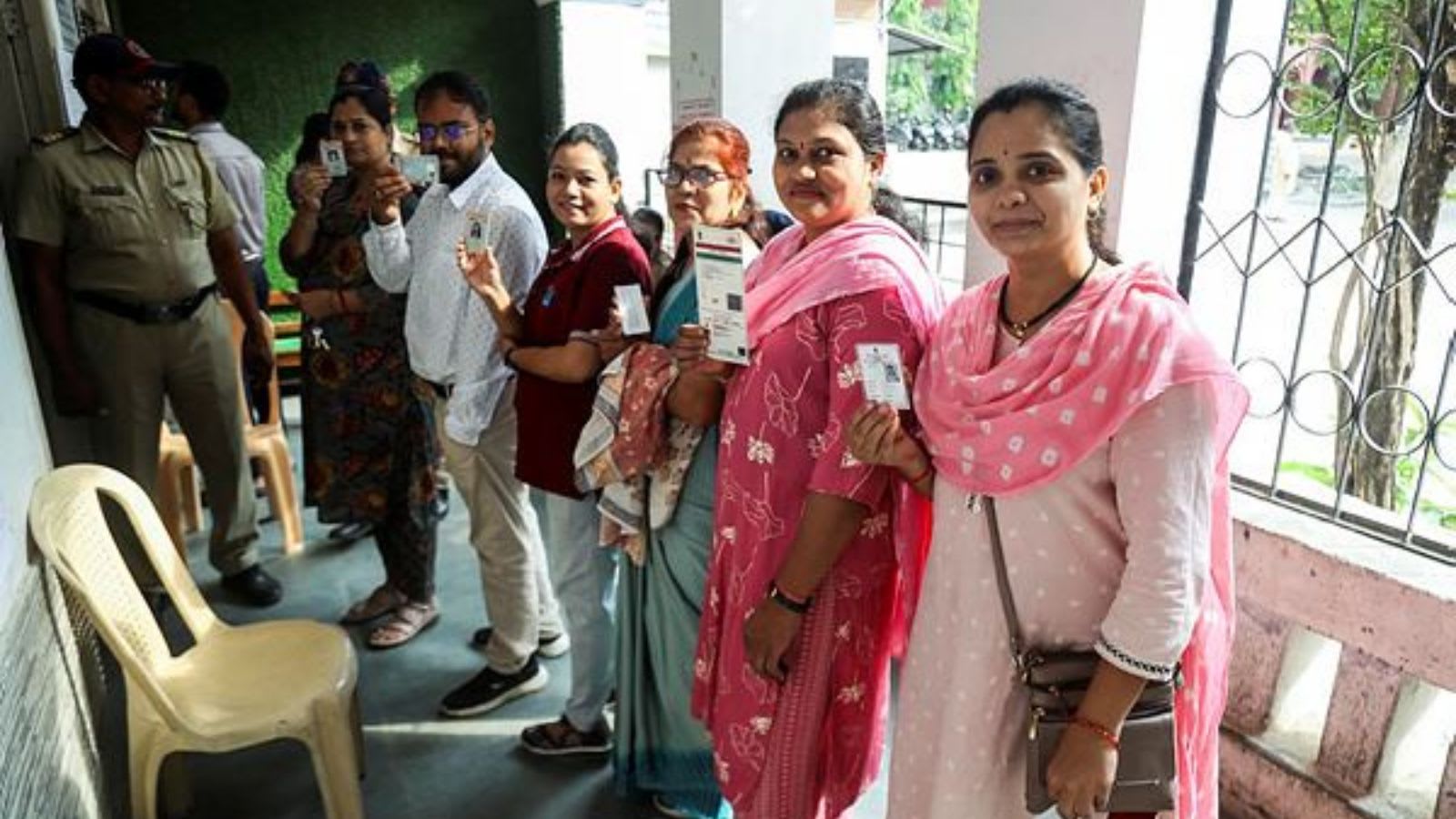
Bihar Legislative Council elections for eight seats concluded peacefully with significant focus on the Patna Graduates' constituency. Internal friction within JD(U) surfaced as MLA Anant Singh openly supported the Jan Suraaj Party candidate, challenging the incumbent Neeraj Kumar.
Bihar Legislative Council Elections: A Test of Internal Party Dynamics
On October 23, 2026, the state of Bihar conducted biennial elections for eight Legislative Council seats, comprising four Graduates’ and four Teachers’ constituencies. With an electorate of over 5.32 lakh voters across 933 polling stations, the election serves as a critical barometer for the political climate in the state. While the electoral process remained largely peaceful, the proceedings highlighted significant internal fractures within the ruling Janata Dal (United) (JD(U)) party, particularly in the Patna Graduates’ constituency.
The Patna Graduates’ Constituency Conflict
The Patna Graduates’ seat has emerged as the primary focal point of these elections. The incumbent, Neeraj Kumar, a former minister and long-time JD(U) aide, is seeking a fourth consecutive term. However, his candidacy has been complicated by a public rift involving Mokama MLA Anant Singh. Despite being a JD(U) legislator, Anant Singh has openly declared his support for Anuj Kumar Singh, the candidate representing the Jan Suraaj Party (JSP). This move represents a direct challenge to the party's official stance, underscoring the complexities of political loyalties in Bihar.
Internal Dissent and Electoral Implications
The friction between Anant Singh and Neeraj Kumar is rooted in long-standing personal and political grievances, with the former claiming that Neeraj Kumar has opposed him in past assembly elections. The intensity of this rivalry was visible during the polling day, as firecrackers were reportedly burst outside Anant Singh’s residence in celebration of the JSP candidate’s prospects. This public display of defiance against a party nominee poses a significant test for the JD(U) leadership, particularly State President Umesh Kushwaha, who held closed-door meetings to solidify support for the official nominee.
The Broader Political Landscape
The election also saw broader political maneuvering, with the Opposition Rashtriya Janata Dal (RJD) lodging complaints regarding the conduct of the election. The RJD alleged that police forces in Patna were misused to harass its candidate for the Teachers’ constituency. These allegations of administrative bias reflect the high stakes involved in the Council elections, which are often viewed as indicators of grassroots organizational strength and influence over professional voting blocs.
Voter Turnout and Future Trends
The final turnout figures revealed a distinct disparity between the two categories: 43.87% for the Graduates’ seats and a significantly higher 74.55% for the Teachers’ constituencies. This engagement level highlights the active participation of educators in the state’s political discourse. As the state waits for the counting of votes on October 27, the results will likely influence future alliance dynamics within the National Democratic Alliance (NDA) and the opposition bloc.
Conclusion
As the terms of the outgoing MLCs expire on November 16, the outcome of these eight seats will determine the legislative composition and the stability of internal party relations. The combination of established power dynamics and emerging challenges from newer political entities like the Jan Suraaj Party signals a shifting landscape in Bihar politics. The resolution of the Patna Graduates' seat will be the definitive indicator of whether party discipline can hold against entrenched personal rivalries.
Multiple Citing Sources