Dry for a decade, Bihar hit by a new lethal high: Drugs & addicts
Source Entity
Himanshu Harsh
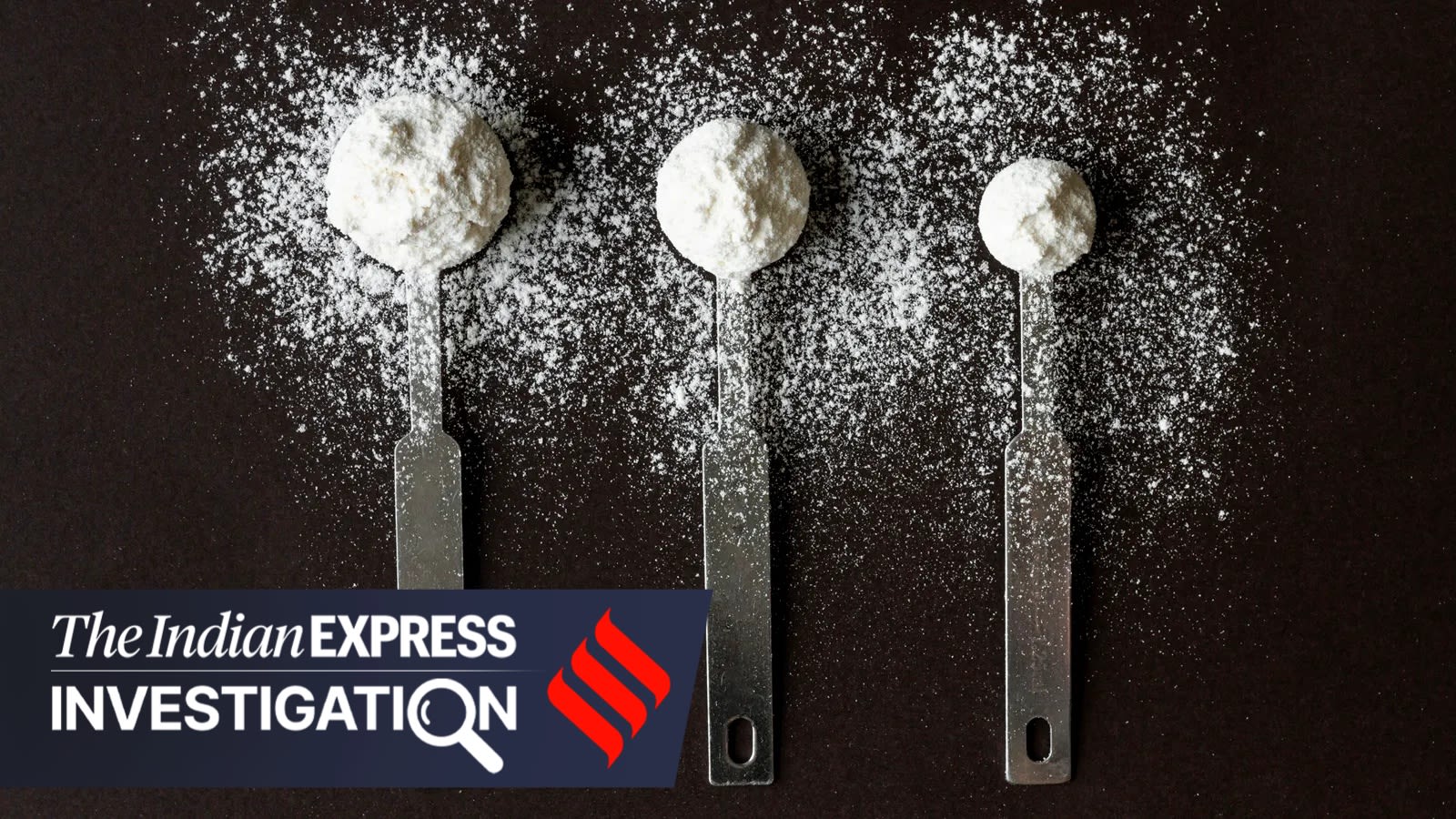
Ten years after Bihar's total liquor prohibition, the state faces a rising crisis of illicit drug abuse. Law enforcement is struggling to pivot from alcohol seizures to tackling a sophisticated, harder-to-detect market of narcotics.
A Decade of Prohibition: Bihar's Evolving Intoxication Crisis
Since the implementation of total prohibition in Bihar in April 2016, the state's law enforcement machinery has been intensely focused on the eradication of alcohol. Over the last decade, police have recorded staggering figures: approximately 3.16 crore litres of liquor seized and 7.15 lakh arrests. This averages out to 8,650 litres and 196 arrests daily, illustrating the immense administrative and operational resources directed toward enforcing a dry state mandate.
The Shift from Liquor to Narcotics
While the state remains preoccupied with the logistical challenges of intercepting smuggled alcohol—ranging from train consignments to horse-borne transport—a far more dangerous trend has emerged in the shadows. Investigations reveal that the prohibition era has inadvertently fostered a parallel market for narcotics. Unlike bulky liquor shipments, this new trade involves pocket-sized contraband including brown sugar, heroin, injection vials, and a local variant known as 'kota'.
Challenges in Detection and Policing
These narcotics are significantly easier to conceal than liquor, fitting into everyday items like soap boxes or clothing folds. This evolution in the illegal goods market has rendered traditional search methods less effective. Police forces, conditioned for a decade to hunt for liquid contraband in tankers and rail cars, are now facing the daunting task of reorienting their intelligence-gathering networks to intercept high-potency, low-volume substances.
Institutional Corruption and Accountability
The persistence of the black market is compounded by internal challenges within the police force itself. A recent incident at Hajipur Junction highlights this vulnerability, where GRP personnel were caught on video seizing liquor bottles but failing to report the seizure. The subsequent arrest of these officers, following a passenger's video evidence, underscores the ongoing battle against corruption and the difficulty of maintaining integrity in an environment where the illicit trade is highly profitable.
Broader Implications for Public Health
The transition from alcohol to harder drugs represents a severe public health escalation. Social workers and medical professionals are observing a shift in substance abuse patterns that pose a greater risk of long-term addiction and overdose. As the market pivots toward synthetic drugs and injectables, the state’s healthcare infrastructure faces an urgent need to address addiction recovery rather than just focusing on the punitive aspects of the liquor ban.
Future Trends and Outlook
Looking forward, the success of Bihar's prohibition policy will likely be measured by how effectively the state can dismantle these emerging drug syndicates. The current investigation suggests that the 'dry state' model may be inadvertently creating a vacuum filled by more harmful, illicit substances. Without a strategic shift toward harm reduction and better intelligence on narcotics trafficking, the state faces the prospect of a prolonged crisis that extends far beyond the original intent of the 2016 prohibition.
Multiple Citing Sources