Binance’s CZ Promotes ‘Crypto Passport’
Source Entity
Yahoo Finance
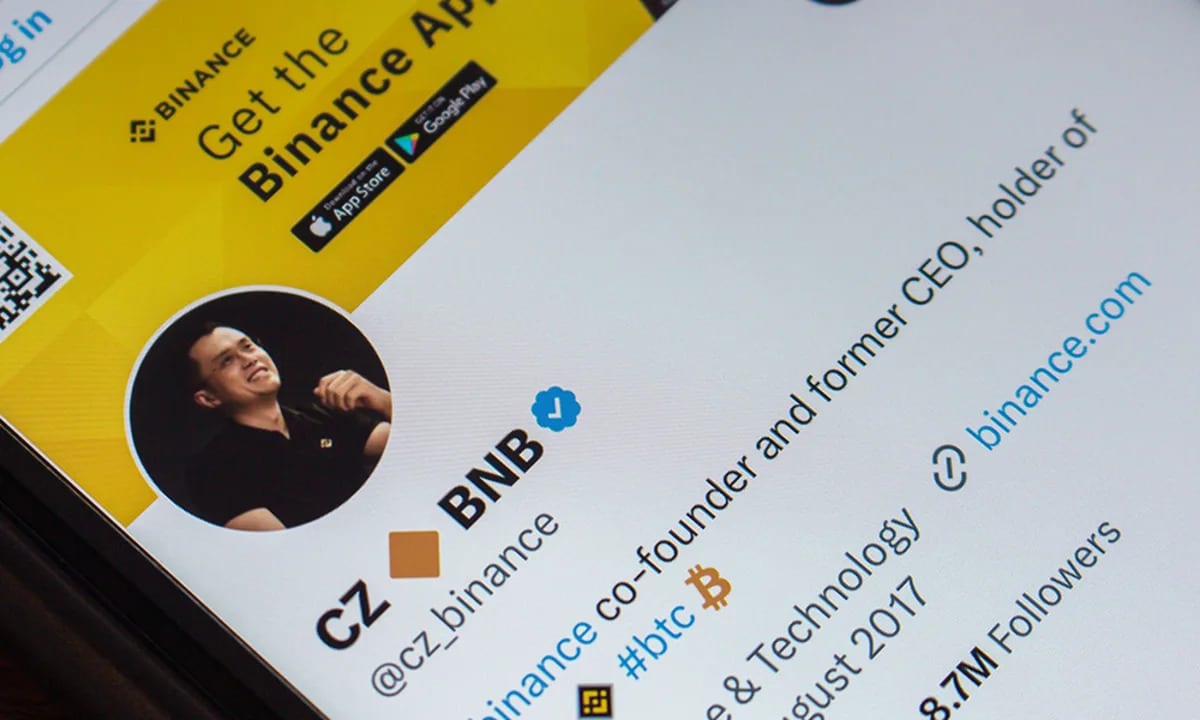
Binance co-founder Changpeng 'CZ' Zhao is advocating for a 'crypto passport' system to streamline regulatory approvals across Asia. This initiative aims to replace fragmented licensing processes with a unified framework for digital asset operations.
The Push for Regional Crypto Integration
At the recent ASEAN Tech Summit Manila 2026, Binance co-founder Changpeng "CZ" Zhao introduced a significant proposal aimed at reshaping the digital asset landscape in Asia: the "crypto passport." This initiative seeks to address the current regulatory fragmentation that hampers the growth of blockchain-based enterprises across the continent. By proposing a system where a license granted in one Asian nation is recognized by others, Zhao is advocating for a more cohesive, cross-border financial infrastructure.
Overcoming Regulatory Fragmentation
Currently, crypto companies operating within Southeast Asia and the broader Asian market are burdened by a complex web of disparate licensing processes, localized compliance checks, and varying supervisory standards. This administrative overhead acts as a barrier to entry for smaller firms and complicates the scaling efforts of larger entities. Zhao’s proposal suggests that a centralized or mutually recognized "passport" would alleviate these pressures, allowing companies that have passed rigorous vetting in one jurisdiction to operate seamlessly across the region.
The Future of Regional Finance
The discussion at the Manila summit centered heavily on the evolution of digital assets and stablecoins as pillars of future regional finance. Zhao’s vision suggests that by simplifying the regulatory burden, Asian nations could foster a more robust ecosystem for innovation. A standardized passport system would likely encourage greater capital mobility and enable crypto companies to leverage a unified market, rather than being forced to navigate dozens of unique regulatory frameworks individually.
Implications for Compliance and Security
While the concept of a crypto passport promises operational efficiency, it also necessitates a high degree of trust and cooperation between regional financial regulators. For such a system to function, participating nations would need to harmonize their Anti-Money Laundering (AML) and Know Your Customer (KYC) standards. The transition from isolated oversight to a passport model implies a shift toward regional regulatory convergence, which could set a global precedent for how multinational digital asset firms are governed.
Looking Ahead: A New Era for Asian Crypto
The promotion of this passport by a figure as influential as Zhao underscores the growing maturity of the Asian crypto market. If adopted, this framework could fundamentally alter the competitive landscape, making Asia a primary hub for global crypto activity. Future trends will likely involve increased diplomatic dialogues between ASEAN nations and regulatory bodies to determine if such a unified passport can be implemented without compromising national sovereignty or regional financial security.