‘Not change regime, but break country’: BJP says Cong colluding with foreign powers
Source Entity
AADRITA HALDER
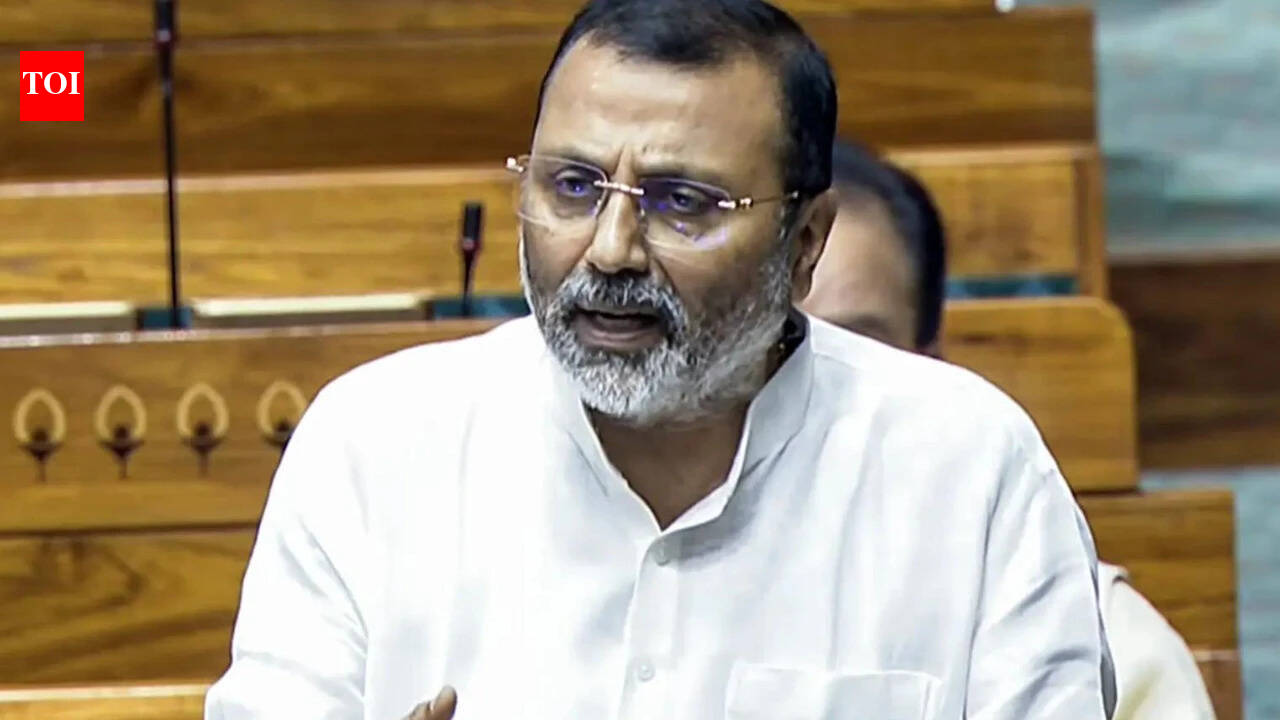
The BJP has accused the Congress party of orchestrating a 'regime change plot' and colluding with foreign entities to incite anarchy in India. These allegations, tied to reports of links between French riots and Indian protests, label Rahul Gandhi a 'traitor'.
The Allegation of 'Regime Change' and Foreign Interference
The Bharatiya Janata Party (BJP) has leveled a severe accusation against the Indian National Congress, claiming the opposition party is involved in a calculated 'regime change plot' aimed not merely at replacing the current government, but at destabilizing the nation. During a press conference in New Delhi, BJP spokesperson Gaurav Bhatia referenced a newspaper report—citing a Fox News digital investigation—that purportedly uncovers connections between recent civil unrest in France and ongoing protests in India demanding the resignation of Chief Election Commissioner (CEC) Gyanesh Kumar.
Analyzing the 'Foreign Link' Narrative
The core of the BJP's argument rests on the assertion that domestic political agitation is being synchronized or inspired by external, anarchic movements. By drawing a parallel between the protests in France and those targeting the Election Commission of India, the BJP seeks to frame the Congress party's opposition tactics as an existential threat to national sovereignty. This narrative positions the protests not as legitimate democratic dissent, but as a coordinated attempt to undermine constitutional institutions through foreign-backed disorder.
The Rhetorical Escalation
A significant element of this political discourse is the use of inflammatory language. By labeling Leader of the Opposition Rahul Gandhi as a 'gaddar' (traitor), the BJP is attempting to shift the public perception of the Congress party from a legitimate political adversary to an entity acting against national interests. This rhetorical strategy is designed to polarize the electorate and define the political contest as a struggle between national integrity and subversive, foreign-aligned factions.
Institutional Implications
The demand for the resignation of CEC Gyanesh Kumar serves as the immediate flashpoint for these accusations. By connecting these specific protests to a broader 'anarchy' model, the BJP is attempting to delegitimize the protest movement itself. If the public perceives these protests as part of a larger, foreign-influenced conspiracy, the pressure on the Election Commission may be neutralized, effectively shielding the institution from the current wave of opposition-led scrutiny.
Future Trends in Political Polarization
This incident highlights a growing trend in Indian politics where domestic disagreements are increasingly framed through the lens of national security and foreign interference. As the political environment becomes more polarized, we can expect both the ruling party and the opposition to lean heavily into narratives involving external threats and existential risks to the state. This strategy serves to consolidate the base, but it also risks deepening the divide within the democratic discourse, making consensus-building increasingly difficult.
Conclusion
As of the current reporting, the Congress party has yet to issue an official reaction to these grave allegations. The lack of an immediate response leaves a vacuum that the BJP is currently filling with its narrative of 'gaddari' and subversion. Moving forward, the impact of these claims on the electoral landscape will depend on the credibility of the underlying media reports and the public's willingness to accept the premise that domestic protests are being weaponized by foreign powers to force a regime change.