'Against policy': Bikaner House on removal of photos from Raihan Vadra exhibition
Source Entity
VIVEK DUBEY
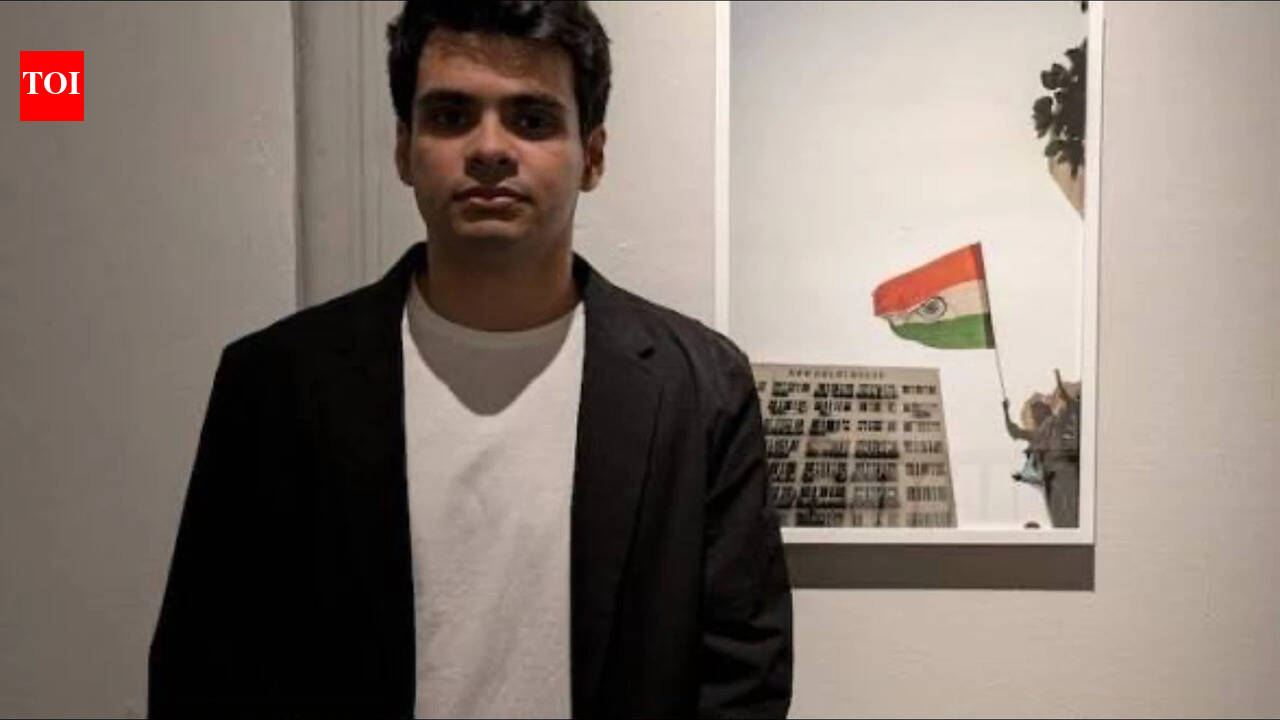
Priyanka Gandhi Vadra has publicly defended her son, artist Raihan Vadra, after Bikaner House management allegedly removed his protest-themed photographs. The incident has sparked a political controversy, with the BJP criticizing the Gandhi family while Raihan Vadra raises concerns regarding artistic censorship.
Artistic Expression and Political Controversy at Bikaner House
The recent controversy involving Raihan Vadra, a visual artist and the son of Congress leader Priyanka Gandhi Vadra, has ignited a fierce debate regarding the boundaries of artistic expression in public spaces. The incident centers on the alleged removal of photographs from his debut exhibition at Bikaner House in Delhi, which reportedly depicted scenes from recent protests, including imagery of the national flag. This move by venue management has been framed by the artist as a form of censorship, prompting a significant public response.
The Intersection of Art and Power
In a public show of support, Priyanka Gandhi Vadra utilized social media to address the incident, framing the removal of the photographs as a sign of weakness among those in authority. Her commentary, which suggested that fear of expression is an admission of diminished power, highlights the broader ideological tension between the current administration and opposition figures. This incident is not merely about an art display; it serves as a microcosm of the ongoing national discourse regarding civil liberties and the state's role in regulating public expression.
Political Backlash and Allegations of Nepotism
The situation has quickly transcended the realm of art, drawing sharp criticism from the Bharatiya Janata Party (BJP). BJP spokesperson Gaurav Bhatia has characterized the incident as an attempt to launch Raihan Vadra into the political spotlight, framing the controversy as a calculated move by the Gandhi family to foster political ambitions. This narrative reflects the recurring political friction between the BJP and the Congress party, where personal family matters are frequently transformed into broader critiques of political dynasties and their influence.
Implications for Cultural Institutions
Bikaner House, a prestigious venue under government oversight, finds itself at the center of this debate. The management's decision to object to specific photographs raises questions about the protocols governing exhibitions in state-managed spaces. If artistic works that document political protests are subject to removal, it establishes a precedent that may influence how future curators and artists approach themes of dissent or social commentary within government-affiliated venues.
The Future of Artistic Dissent
As the debate continues to unfold, the incident highlights the precarious nature of 'protest art' in the current Indian political climate. The support expressed by both Priyanka and Robert Vadra for their son underscores the unified stance of the family in the face of what they perceive as institutional overreach. Moving forward, this event is likely to fuel further discussions on the autonomy of artists and the potential for political weaponization of cultural spaces, as both sides of the political aisle continue to leverage the narrative for their respective agendas.
Multiple Citing Sources