90% of 33 lakh SIR cases ‘resolved’ or ‘parked for final roll’ in Delhi
Source Entity
Devansh Mittal
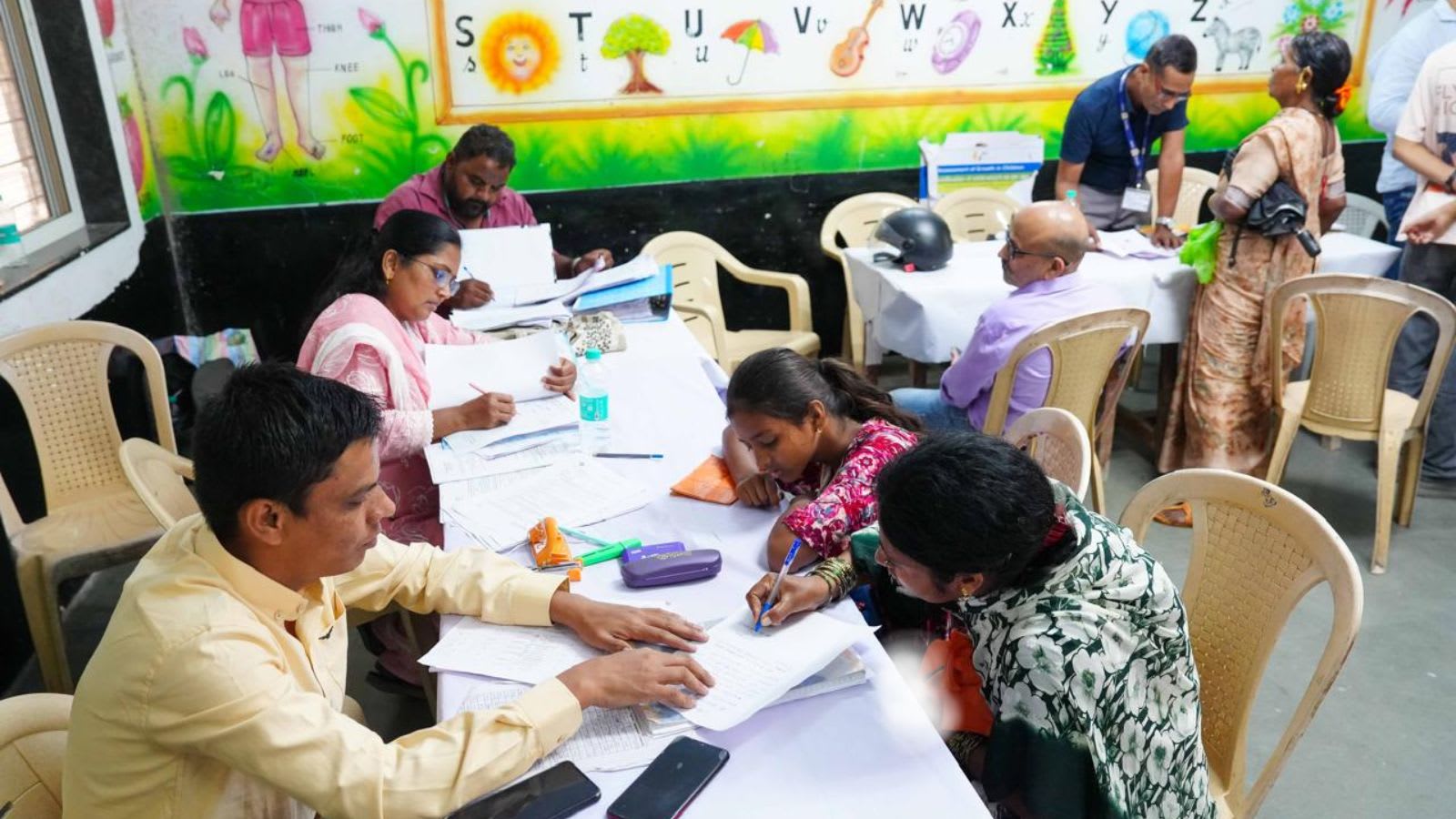
Delhi electoral authorities have processed 90% of 33 lakh flagged cases involving unmapped electors and data discrepancies. These efforts aim to ensure accuracy in the electoral roll following the Special Intensive Revision process.
Delhi Electoral Roll Integrity: A Comprehensive Review
Recent data released by the office of the Delhi Chief Electoral Officer (CEO) indicates a significant milestone in the maintenance of democratic infrastructure. Out of approximately 33 lakh cases flagged during the Special Intensive Revision (SIR) of electoral rolls, nearly 29.5 lakh—or 90%—have been successfully resolved or categorized for inclusion in the final roll. This massive administrative undertaking highlights the rigorous verification processes employed by electoral registration officers (EROs) and assistant electoral registration officers (AEROs) to maintain the sanctity of the voter base.
The Nature of Discrepancies
The scale of this revision is underscored by the complexity of the data involved. The flagged cases were primarily bifurcated into two categories: 13.79 lakh electors who could not be mapped to the previous 2002 electoral roll, and 19.33 lakh enumeration forms that triggered alerts due to logical discrepancies. Addressing these issues is vital, as outdated or inconsistent data can lead to disenfranchisement or the inclusion of ineligible voters, both of which undermine the electoral process.
Challenges in Data Reconciliation
The process of mapping electors across decades—specifically from the 2002 SIR to the present—poses significant logistical challenges. Changes in residential status, administrative boundaries, and data entry standards over time often result in 'unmapped' electors. By systematically reviewing these entries, the CEO's office is attempting to bridge the gap between legacy records and current demographic realities in the National Capital Territory.
Transparency and Administrative Oversight
While the 90% resolution rate represents a substantial administrative achievement, the lack of transparency regarding the specific number of rejected cases remains a point of interest for election observers. Understanding the ratio of 'resolved' versus 'rejected' applications is critical for assessing how strict the verification standards were during this cycle. The current figures indicate a proactive approach to cleaning the rolls before the final publication.
Broader Implications for Delhi's Electorate
Delhi’s electoral base, which stood at approximately 1.45 crore before the SIR commenced, is subject to constant flux due to migration and urbanization. The publication of the draft electoral roll on August 31 served as a catalyst for this intensive review. Ensuring the accuracy of these records is not merely a bureaucratic task; it is the bedrock upon which the legitimacy of future local and national elections in Delhi rests.
Future Trends and Conclusion
Looking ahead, the digitization of electoral records and the implementation of more robust verification algorithms will likely become the standard for handling such large-scale revisions. The success of this current SIR cycle demonstrates that while manual oversight by EROs and AEROs remains indispensable, the integration of data analytics is essential for managing the sheer volume of electoral information. As Delhi moves toward the final roll publication, the focus will remain on balancing administrative efficiency with the fundamental right to vote.