CTI urges Rahul Gandhi to defer Nov 1 INDIA bloc rally, warns of ₹10,000 crore trade loss
Source Entity
India Latest News: Top National Headlines Today & Breaking News | The Hindu
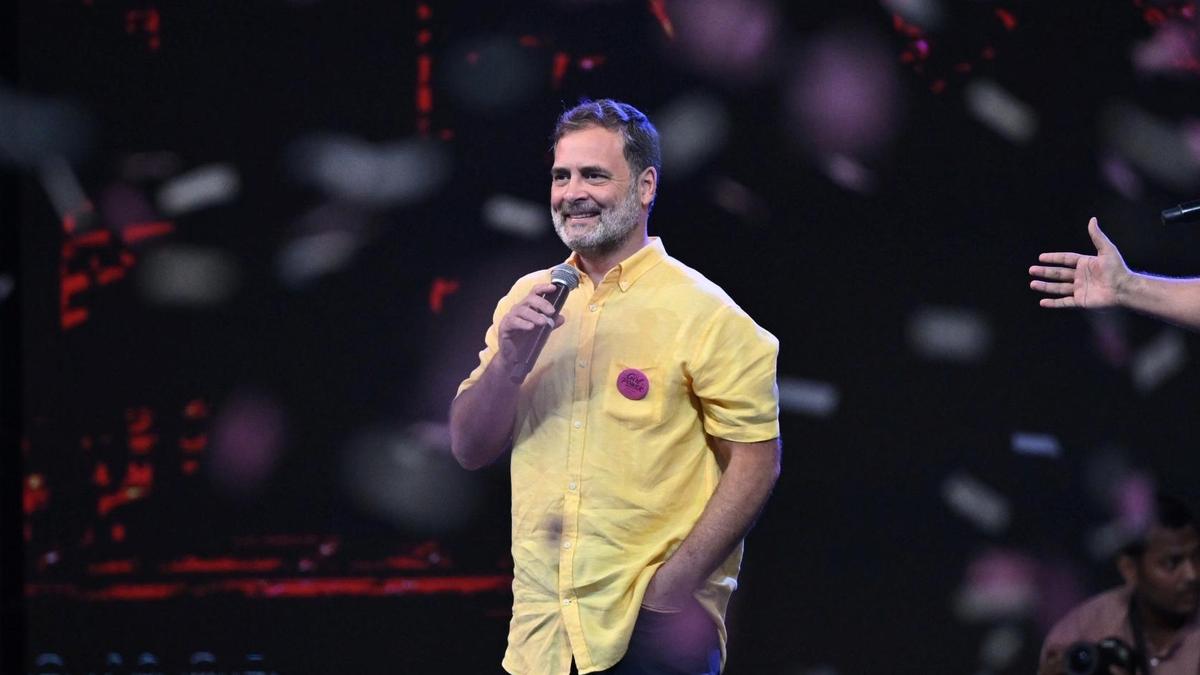
Delhi traders have urged Rahul Gandhi to postpone the INDIA bloc's November 1 rally at Ramlila Maidan to avoid a projected ₹10,000 crore loss during the peak Diwali shopping season. The Chamber of Trade and Industry cited previous protest-related losses and the importance of peak festive trade for the local economy.
Economic Stakes of the INDIA Bloc Rally
The Chamber of Trade and Industry (CTI), representing the business interests of the national capital, has formally requested that Rahul Gandhi, Leader of the Opposition in the Lok Sabha, postpone the INDIA bloc’s scheduled November 1 rally at Ramlila Maidan. The protest, organized against the Chief Election Commissioner and the Special Intensive Revision (SIR) of electoral rolls, is currently slated for the height of the pre-Deepavali shopping window. CTI chairman Brijesh Goyal has explicitly warned that proceeding with the rally on this date could result in a massive trade loss of approximately ₹10,000 crore.
The Impact of Festive Season Logistics
The core of the traders' concern lies in the logistical paralysis that large-scale political gatherings impose on central Delhi. Ramlila Maidan is situated in close proximity to major wholesale and retail hubs. During the weeks leading up to Dhanteras and Deepavali, these markets experience a surge in footfall as consumers purchase goods ranging from electronics and automobiles to jewelry and sweets. CTI estimates that Delhi generates roughly ₹25,000 crore in total business during this festive window, and any disruption to transit or market access effectively stifles this critical economic activity.
Learning from Past Disruptions
This request is not merely a precautionary measure but a response to recent historical data. The CTI noted that protests held on October 10 caused significant financial distress for the business community. While initial reports cited losses of ₹2,000 crore, subsequent assessments have suggested that the cumulative impact of protests and preventive measures in October amounted to as much as ₹3,000 crore. Traders are clearly concerned that a repeat of these conditions during the most profitable week of the year would be catastrophic for small and medium-sized enterprises.
The Intersection of Politics and Commerce
The INDIA bloc’s ‘Delhi Chalo March’ represents a significant political mobilization against the current electoral roll revision process. However, the timing of such an event places it in direct conflict with the primary economic interests of the city’s merchant class. By requesting a postponement until after November 10, the CTI is attempting to balance the democratic right to protest with the pragmatic need for economic stability during a period when retail consumption is at its annual peak.
Future Implications and Outlook
The standoff highlights the tension between political activism and urban economic functionality. As political parties continue to utilize prominent public grounds in dense urban centers for national protests, the frequency of such disruptions will likely remain a point of contention. If the INDIA bloc proceeds with the November 1 date, it risks alienating a vital constituency of Delhi traders who are already reeling from previous revenue losses. Conversely, a decision to reschedule would demonstrate a responsiveness to the economic realities of the national capital, potentially softening the political blowback of the protest itself.
Verification Required?