'No compromise': BJP targets Congress over Vande Mataram decision; passes resolution
Source Entity
ARYAN SINGH
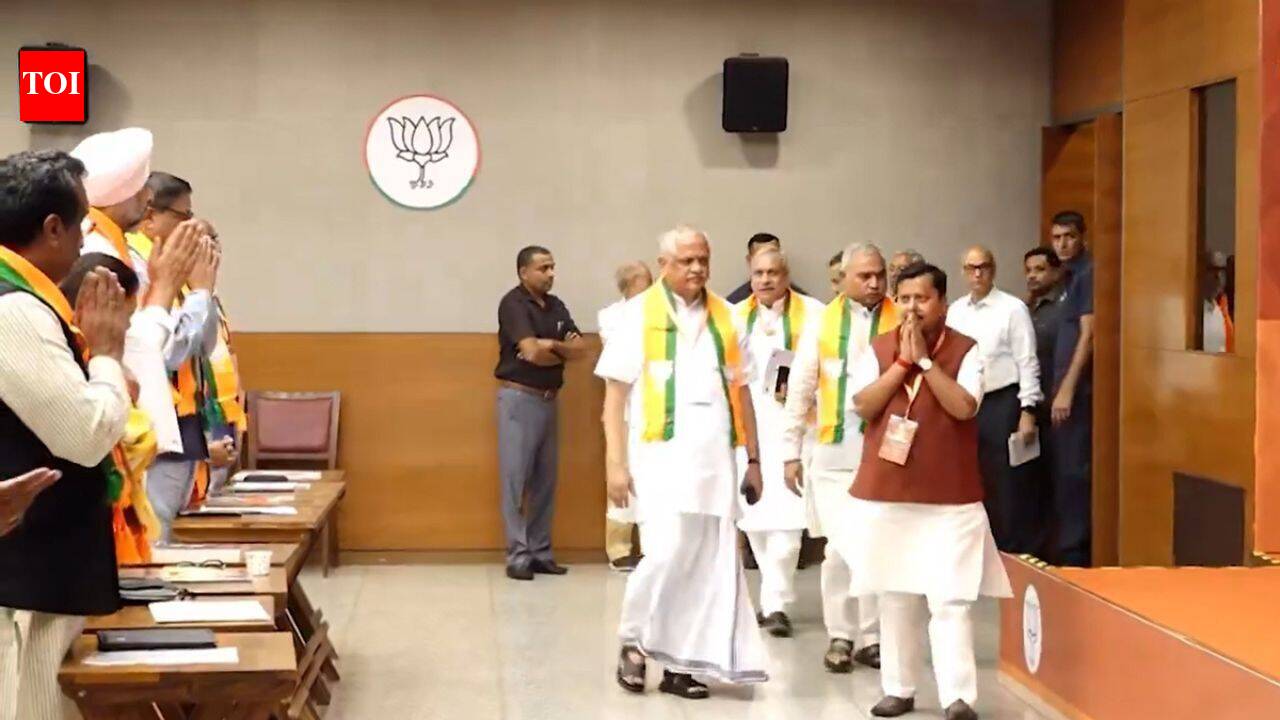
The BJP has passed a formal resolution condemning the Congress party's decision to limit the singing of Vande Mataram to its first two stanzas. This move underscores a deepening ideological divide, with the BJP framing the issue as a matter of national honor and heritage.
The Ideological Clash Over Vande Mataram
On August 22, 2026, the Bharatiya Janata Party (BJP) formalized its stance against the Congress party's recent decision to restrict the singing of Vande Mataram to its first two stanzas. During a meeting of the party's newly formed national team, led by president Nitin Nabin, the BJP passed a 10-point resolution asserting that Vande Mataram serves as an immortal symbol of India's national consciousness and a core mantra of the freedom struggle. This resolution marks a significant escalation in the ongoing political friction between the two major national parties.
The BJP’s Stance on National Heritage
The BJP’s resolution explicitly rejects any compromise on the "honour, dignity, and legacy" of the complete national song. By framing the Congress’s decision as an act of "political convenience or appeasement," the BJP is seeking to solidify its position as the primary guardian of India’s cultural and nationalist heritage. The party has declared its intent to launch a nationwide campaign to educate citizens on the "glorious heritage" of the song, effectively turning this controversy into a long-term grassroots mobilization effort.
Contextualizing the Political Tension
This dispute over national symbols does not exist in a vacuum; it follows a period of heightened parliamentary and public confrontation. Just one day prior to the passage of this resolution, the Congress party, led by Leader of Opposition Rahul Gandhi, held a sit-in protest at the Parliament Street police station. The protest demanded the registration of an FIR regarding an alleged pellet gun attack on a student during demonstrations at Jantar Mantar. The coincidence of these two events highlights the intense, multi-front battle currently defining the Indian political landscape.
The Role of National Identity in Governance
The controversy over Vande Mataram touches upon deeply held views regarding the historical significance of pre-independence symbols. While the Congress party’s move to shorten the song suggests a preference for administrative or secular brevity in party programming, the BJP views the full version as an indivisible expression of reverence for Bharat Mata. Union Home Minister Amit Shah’s characterization of the Congress Working Committee’s decision as "anti-national" signals that the BJP intends to utilize this issue to challenge the Congress’s nationalistic credentials.
Broader Implications and Future Trends
Looking ahead, this resolution signals that cultural nationalism will remain a central pillar of the BJP's political strategy as they integrate their new team of 65 office-bearers. By elevating the Vande Mataram issue, the BJP is likely attempting to shift the public discourse away from the immediate concerns raised by the opposition—such as the student protest and police accountability—and toward a debate on core identity politics. As both parties continue to vie for the narrative of "national honor," we can expect further polarization in parliamentary debates and public campaigns leading into the next cycle of political discourse.
Multiple Citing Sources