BJP leader Vanathi Srinivasan urges Tamil Nadu CM to ensure receipt of Cauvery water from Karnataka
Source Entity
India Latest News: Top National Headlines Today & Breaking News | The Hindu
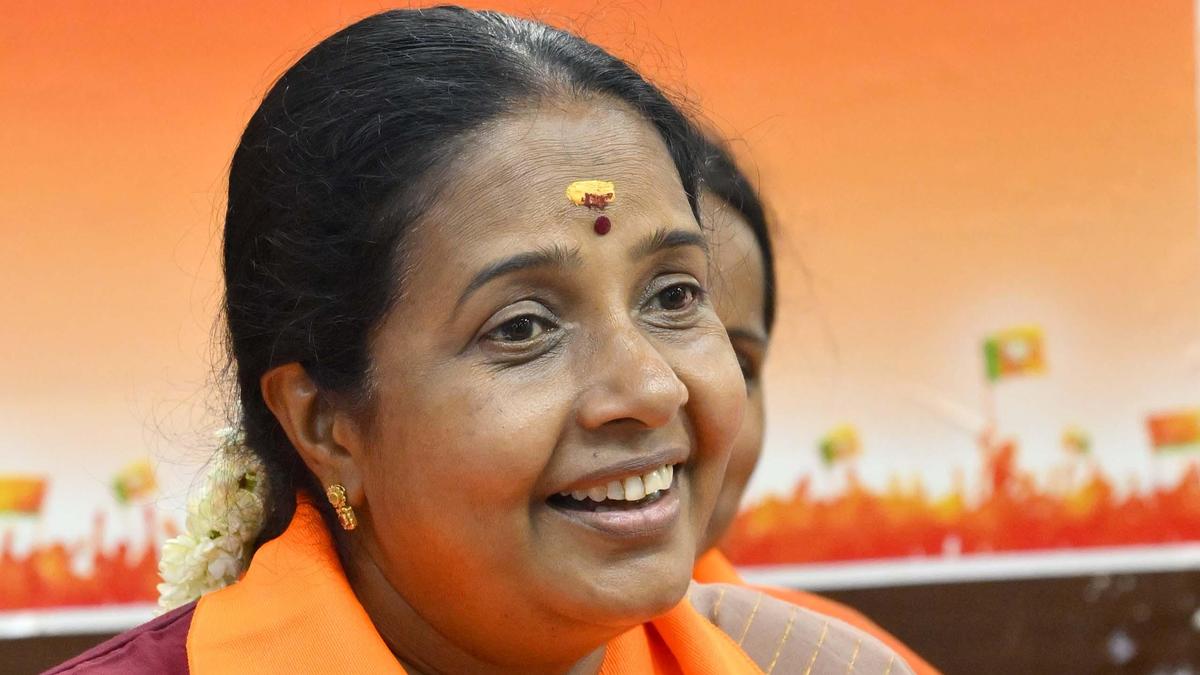
BJP leader Vanathi Srinivasan has urged the Tamil Nadu Chief Minister to take decisive action to ensure the state receives its allocated share of Cauvery water from Karnataka, alleging that the refusal to share water undermines Tamil Nadu's rights.
Political Tension Mounts Over Cauvery Water Sharing
Recent statements by BJP leader Vanathi Srinivasan have reignited the political discourse surrounding the perennial Cauvery water dispute. By urging the Chief Minister of Tamil Nadu to ensure the receipt of water from Karnataka, Ms. Srinivasan has highlighted a critical point of friction between the two southern states. Her assertion that Karnataka's reported refusal to share water indicates a gradual undermining of Tamil Nadu's rights reflects the deep-seated anxiety within the state regarding water security and agricultural sustainability.
The Historical Bedrock of the Conflict
To understand the gravity of Ms. Srinivasan's remarks, one must look at the historical context of the Cauvery river dispute. For over a century, Tamil Nadu and Karnataka have clashed over the distribution of the river's waters, which are vital for irrigation and drinking. This conflict has evolved through various agreements and legal battles, culminating in the interventions of the Cauvery Water Disputes Tribunal (CWDT) and the Supreme Court of India. The dispute is not merely a legal one but is deeply entwined with regional identity and political survival in both states, often becoming a central theme during election cycles.
Political Dynamics and Inter-Party Pressure
The timing of the BJP leader's demand is significant. By publicly calling upon the state government, the BJP is positioning itself as a defender of Tamil Nadu's interests, putting pressure on the ruling administration to demonstrate strength in negotiations with Karnataka. This dynamic illustrates how interstate resource disputes are often leveraged within state politics to challenge the efficacy of the sitting government. The demand for the Chief Minister to act underscores the expectation that the state executive must prioritize the 'rights' of the people over diplomatic cordiality between state capitals.
Socio-Economic Implications for the Delta Region
The core of the issue lies in the agrarian economy of Tamil Nadu, particularly in the Cauvery Delta region. A failure to receive the allocated water share leads to devastating crop failures, increased farmer distress, and economic instability in rural belts. When leaders like Vanathi Srinivasan speak of 'undermined rights,' they are referring to the precarious position of millions of farmers whose livelihoods depend on the timely release of water. The ripple effects of water scarcity extend beyond farming, affecting groundwater levels and the overall ecological health of the region.
The Role of the Cauvery Water Management Authority (CWMA)
In the current administrative framework, the Cauvery Water Management Authority (CWMA) is tasked with regulating the release of water. However, as the current tension suggests, the practical implementation of these mandates often falls prey to meteorological uncertainties and political willpower. The reports mentioned by Ms. Srinivasan suggest a gap between the legal mandates of the CWMA and the actual flow of water, hinting at a breakdown in cooperation between the two state governments during periods of water stress.
Future Trends and Climate Challenges
Looking forward, the Cauvery dispute is likely to intensify due to the unpredictable nature of monsoon patterns caused by climate change. As rainfall becomes more erratic, the competition for dwindling water resources will sharpen. Future trends suggest that the resolution will require more than just legal decrees; it will necessitate a shift toward sustainable water management, including micro-irrigation and crop diversification. However, in the short term, political rhetoric—as seen in the current exchange—will continue to be the primary vehicle for expressing regional grievances.
Conclusion
The demand by Vanathi Srinivasan is a reminder that the Cauvery water issue remains a volatile and unresolved flashpoint in Indian federalism. While the legal frameworks are in place, the emotional and economic stakes ensure that any perceived shortfall in water sharing will be met with strong political condemnation. The resolution of this crisis depends on the ability of the Tamil Nadu and Karnataka governments to move beyond political posturing toward a collaborative, data-driven approach to water sharing.
Verification Required?