In Punjab, BJP’s challenge is not to be heard, but to be believed
Source Entity
Manraj Grewal Sharma
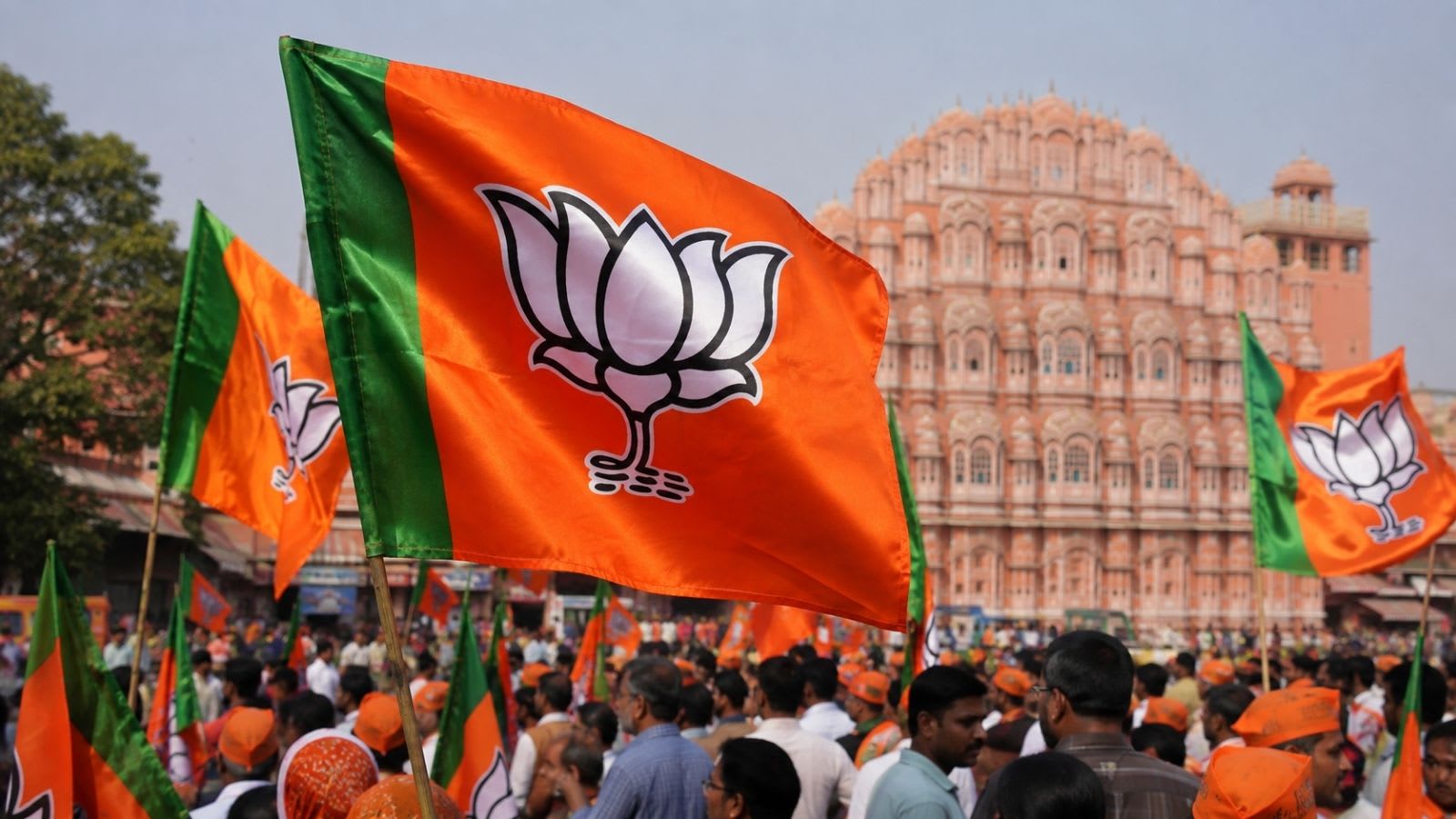
Union Home Minister Amit Shah's recent visits to Punjab highlight the BJP's strategic attempt to address the state's drug crisis and overcome its political isolation. Despite historical challenges in gaining traction, the party is shifting its focus to emotional engagement with affected families to bridge the trust gap.
The BJP's Strategic Pivot in Punjab
The political landscape in Punjab has long proven to be a formidable challenge for the Bharatiya Janata Party (BJP). Historically, the party has struggled to penetrate the rural heartlands of this border state, often viewed through the lens of a 'no-go' zone due to the state's unique socio-political identity and a historically rebellious spirit. The recent remarks by Union Home Minister Amit Shah, who stated, "I have never felt so sad" after meeting families devastated by the drug menace, represent a calculated effort to pivot from traditional political rhetoric to a more visceral, empathetic engagement with the electorate.
Breaking the Barrier of Disbelief
For the BJP, the primary obstacle in Punjab is not the visibility of its message, but the credibility of its outreach. Intellectual circles and opposition parties have frequently posited that the party would never secure a foothold in the state. This perception was reinforced by a lackluster turnout at a rally marking the culmination of the party’s 'nasha mukt' (drug-free) marches, which the opposition interpreted as a clear sign of the party’s failure to resonate with the masses. The challenge for the BJP remains to convince a skeptical public that its interest in the state’s crises is sustained rather than opportunistic.
Leveraging Emotional Diplomacy
By centering his visits on the tragic human cost of the state's drug epidemic, Amit Shah is attempting to bypass the traditional political gatekeepers that have kept the BJP on the periphery. Engaging directly with families suffering from the consequences of addiction is a move designed to humanize the party's presence. This strategy aims to create a narrative of a party that is listening to the grassroots concerns of rural Punjab, rather than merely projecting a top-down political agenda.
The Historical Context of Resistance
Punjab’s political history is characterized by a strong sense of autonomy and a skepticism toward central intervention. The BJP’s historical association with urban centers and specific demographic blocks has made it difficult to expand into the rural belt. The 'nasha mukt' campaign serves as a bridge, addressing a non-partisan issue that affects families across the political and social spectrum, thereby attempting to neutralize the historical resistance the party faces in the region.
Future Trends and Political Sustainability
As the party continues to revisit the state—notably during significant cultural moments like Dussehra—the long-term success of this strategy will depend on the consistency of the BJP’s actions versus its promises. If the party can successfully transition from symbolic visits to tangible policy changes that mitigate the drug crisis, it may gradually erode the 'no-go' status currently assigned to it. However, until the party can convert this emotional outreach into a broader base of trust, its political footprint in Punjab will remain fragile and highly contested.