BJP has mastered reach, not listening
Source Entity
Aviral Pandey
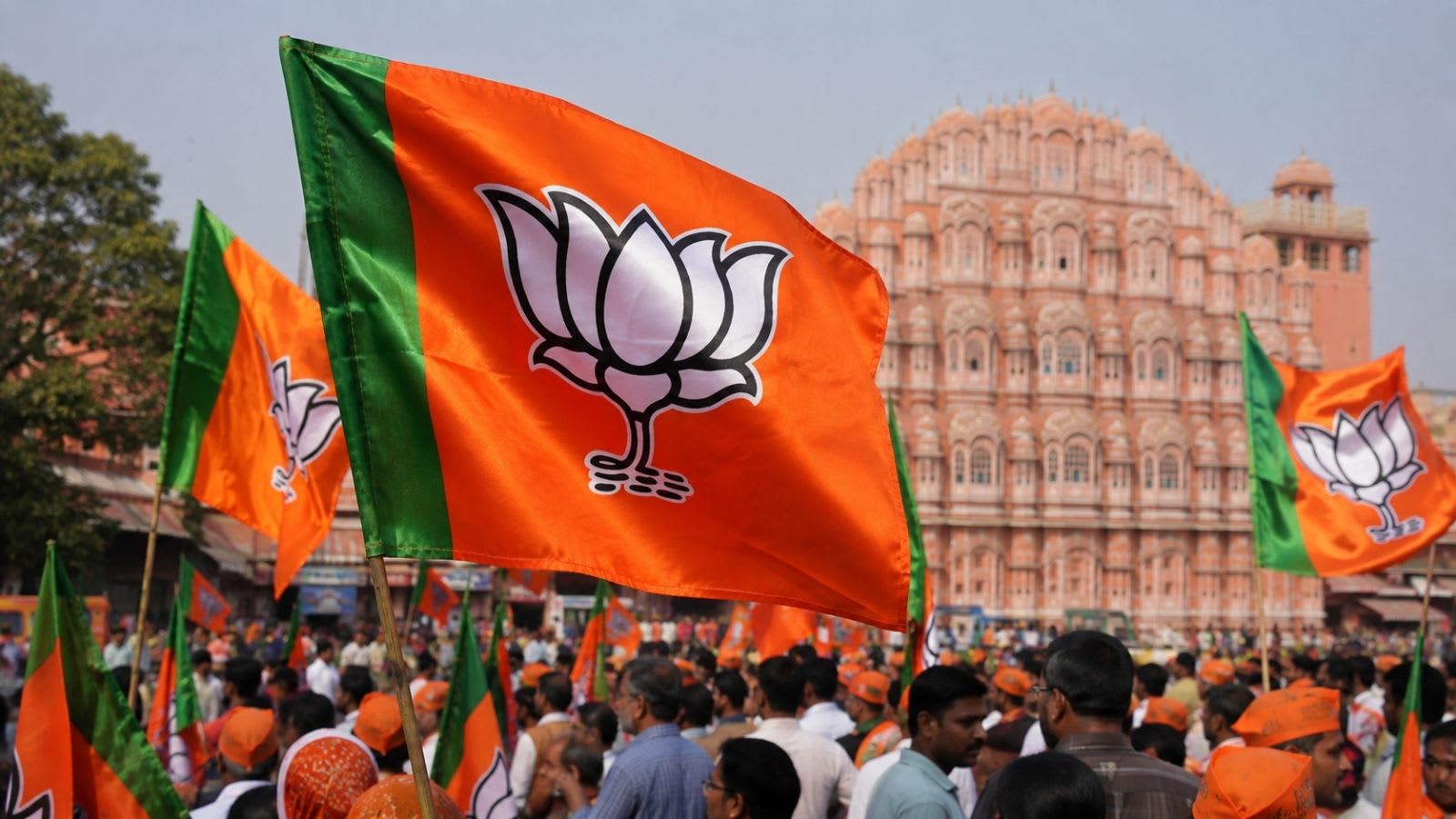
The BJP's extensive organizational network in Uttar Pradesh faces a critical challenge ahead of the 2027 polls. While the party excels in outreach and welfare delivery, it must now address growing concerns regarding internal communication and responsiveness to its grassroots cadre.
The Paradox of Political Reach: BJP in Uttar Pradesh
For years, the Bharatiya Janata Party (BJP) has operated with a structural precision in Uttar Pradesh that is widely regarded as a benchmark for modern political campaigning. By embedding its workers directly into villages, neighborhoods, and individual polling booths, the party has successfully transcended the traditional cycle of election-time mobilization. This permanent presence has allowed the party to maintain a consistent feedback loop, ensuring that its message—and its welfare schemes—travel from the state capital of Lucknow to the most remote corners of the region with unprecedented speed and efficiency.
The Strength of Welfare-Linked Connectivity
A cornerstone of this dominance has been the strategic deployment of welfare schemes. By creating a direct, tangible connection with millions of individual beneficiaries, the BJP has effectively built a grassroots infrastructure that relies on the delivery of state services to cement political loyalty. This methodology serves a dual purpose: it acts as a mechanism for socio-economic development while simultaneously functioning as a robust political outreach tool, ensuring that the party’s presence is felt in the daily lives of citizens long before a ballot is cast.
The Shifting Landscape Toward 2027
As the political calendar shifts its focus toward the 2027 Assembly elections, the BJP faces a transition in its strategic requirements. The primary challenge is no longer the mechanics of dissemination or the ability to reach the electorate; the party has already demonstrated that it possesses the most sophisticated logistical apparatus in the state. Instead, the focus has shifted toward the quality of the internal dialogue between the party leadership and its local representatives. The question has evolved from 'Can we reach them?' to 'Are we listening?'
The Grassroots Feedback Gap
The most significant threat to the party’s continued dominance may lie within its own ranks. If the workers who are tasked with carrying the party’s message into the field feel that their grievances or the local realities they observe are being ignored by the administration, the efficacy of the entire network could be compromised. A disconnect between the grassroots cadre and the party leadership can lead to a erosion of morale, which in turn diminishes the effectiveness of the party’s outreach efforts at the local level.
Implications for Anti-Incumbency
Historically, anti-incumbency is the greatest hurdle for a ruling party seeking successive terms. While the BJP has historically mitigated this through its superior organizational reach, the upcoming 2027 polls will test whether this reach is sufficient in the face of potential internal disillusionment. If the party fails to bridge the gap between its top-down communication strategy and the bottom-up needs of its workers, the traditional debate over anti-incumbency may become secondary to a deeper, more systemic problem of internal misalignment.
Conclusion: The Future of Political Engagement
Ultimately, the BJP’s trajectory in Uttar Pradesh will be determined by its capacity for introspection. While its ability to saturate the political landscape with its message remains intact, the party must now demonstrate the agility to incorporate feedback from its own grassroots network. The ability to listen to its own workers will likely prove more consequential than any election strategy, as it directly impacts the party's ability to maintain the authenticity of its connection with the electorate as it moves toward the next electoral cycle.