TMC factions decimated amid BJP win in Bengal bypolls, Congress gains some ground
Source Entity
Atri Mitra
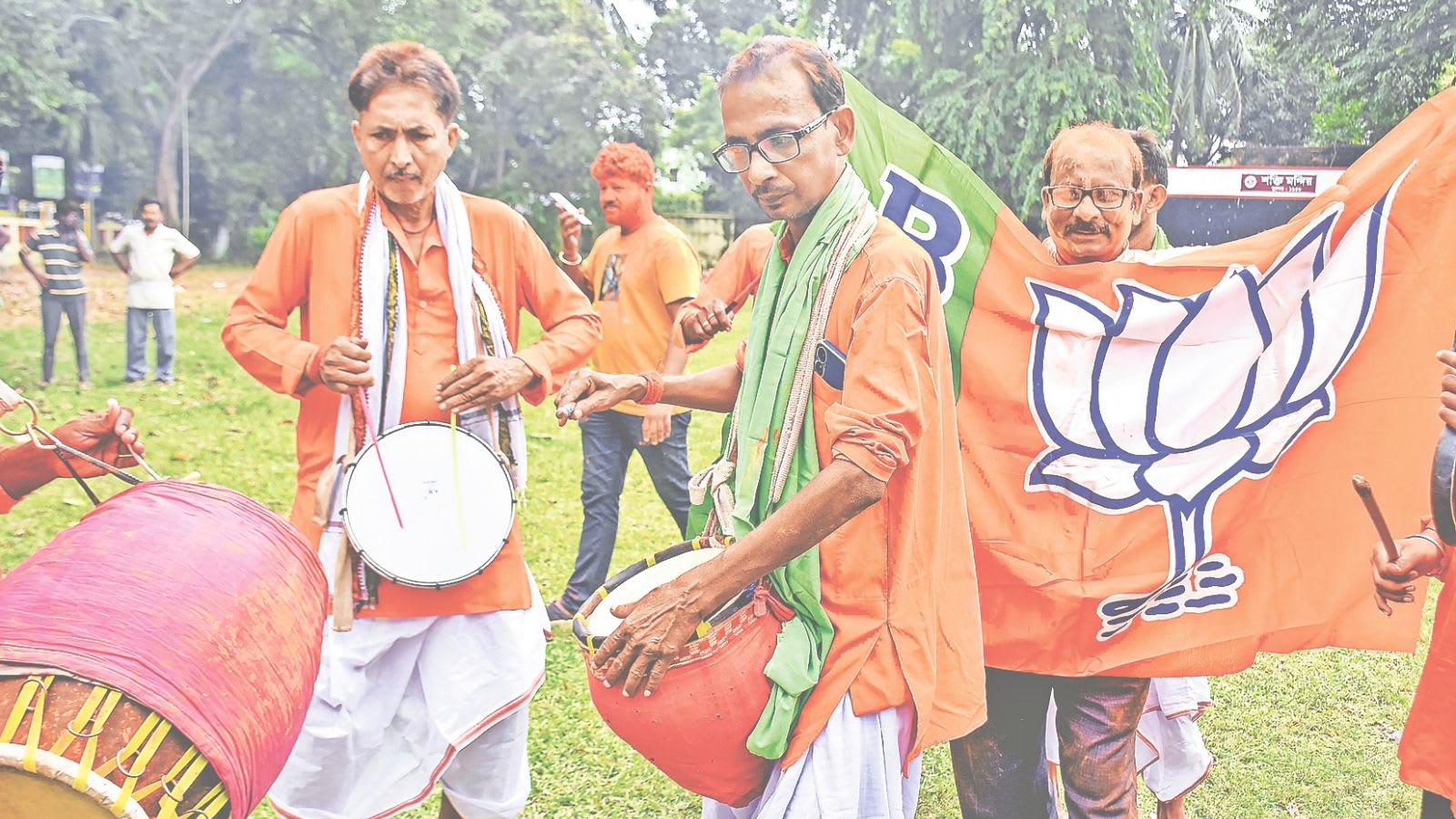
The BJP has secured significant victories in the Nandigram and Rejinagar bypolls, signaling a major shift as both TMC factions suffered severe electoral defeats. While the Congress has shown marginal gains, the results highlight the ongoing fragmentation within the Trinamool Congress and the strengthening of the BJP's influence in West Bengal.
Shifting Political Tides: BJP Dominance in Bengal Bypolls
The recent byelection results in West Bengal have sent shockwaves through the state’s political landscape, as the Bharatiya Janata Party (BJP) secured decisive victories in both the Nandigram and Rejinagar constituencies. These results represent a significant departure from the historical norm where ruling parties typically dominate bypolls, suggesting a potential realignment of voter sentiment. The margin of victory for the BJP underscores a weakening grip of the Trinamool Congress (TMC), which has historically maintained strongholds in these regions.
The Collapse of TMC Factions
Perhaps the most striking element of these elections is the decimation of the two primary TMC factions. In Rejinagar, the Mamata-led TMC and the Democratic-TMC faction managed to secure only 1.87% and 0.99% of the vote share, respectively. This performance stands in stark contrast to the April 2026 Assembly elections, where the TMC commanded 46.55% of the vote in Nandigram and 17.43% in Rejinagar. The internal divisions within the party appear to have alienated the electorate, leading to a massive exodus of support.
The Role of Leadership and Vacated Seats
These bypolls were necessitated after Chief Minister Suvendu Adhikari and JUP leader Humayun Kabir vacated their respective seats. Suvendu Adhikari, now serving as West Bengal CM, has positioned the BJP as the primary alternative to the incumbent struggles. His leadership during this cycle has focused on consolidating the party's gains and challenging the historical dominance of the Mamata Banerjee-led administration, which has faced recent controversies, including the detention of the former CM during protests in New Delhi.
Emerging Trends and Opposition Dynamics
While the TMC factions face an existential crisis, the Congress party has shown signs of gaining some ground in the vacuum created by the internal party strife. The withdrawal of the TMC candidate in Nandigram, Sanchita De Pradhan, further signaled the chaotic state of the party’s campaign management. This fragmentation is not merely a localized issue but points to broader challenges for the Opposition as they look toward the 2029 electoral cycle and upcoming municipal elections.
Future Implications and The Road to 2029
The results raise critical questions regarding the future of West Bengal politics. With allegations of electoral excesses surfacing and the BJP supporters in Rejinagar celebrating a shift in momentum, the political discourse is becoming increasingly polarized. As the state prepares for municipal elections, the ability of opposition parties to coalesce or reorganize will be the defining factor in their ability to challenge the BJP's growing influence. The road to 2029 is now paved with uncertainty, as the traditional power structures in Bengal continue to erode under the pressure of these shifting political currents.