‘Lone ranger’ atop bus, elderly inside them: 100 detained at Ahmedabad protest over SIR
Source Entity
Brendan Dabhi
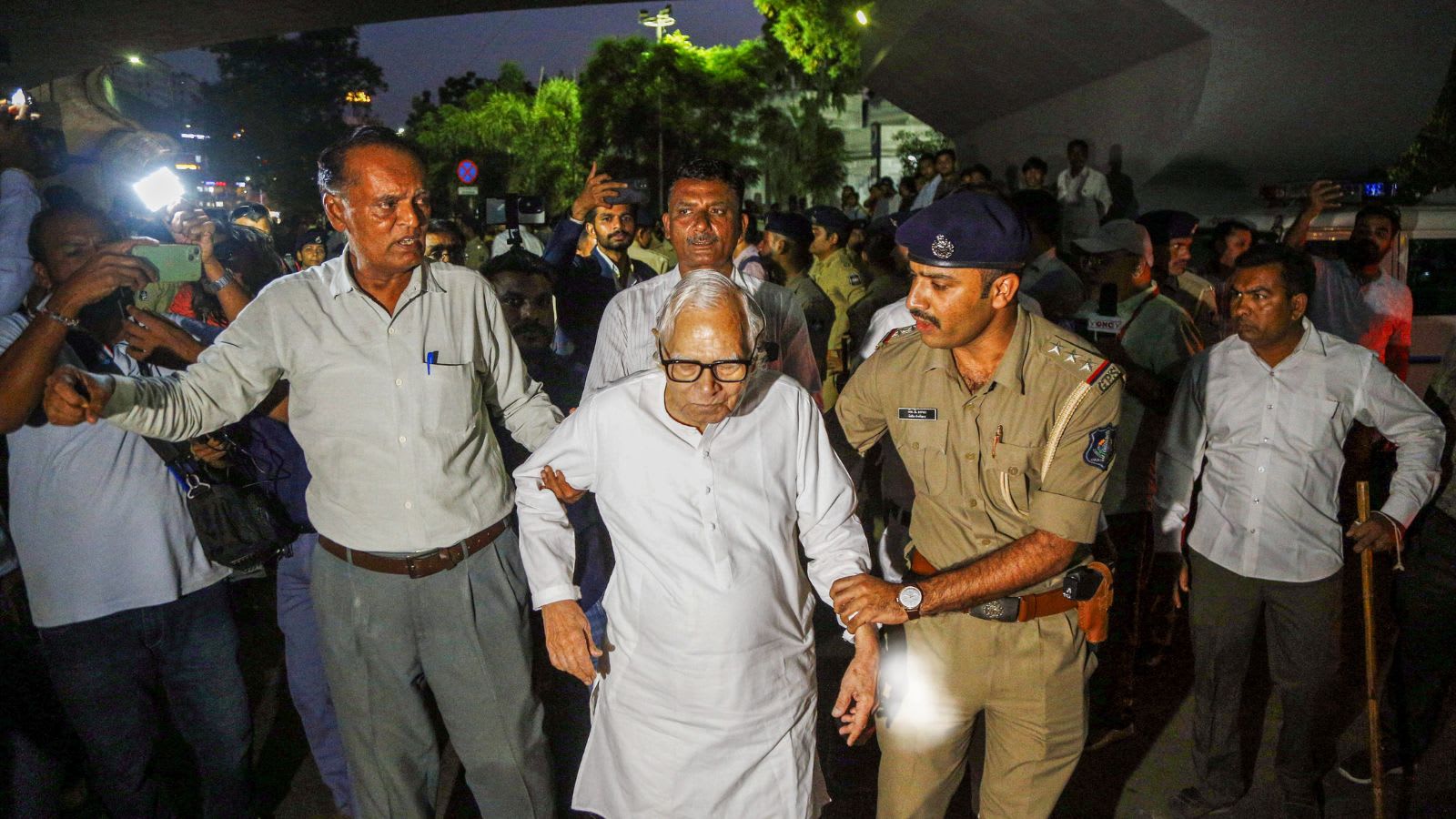
Gautam Budh Nagar and Delhi Police have implemented strict security measures, including Section 163 and mass detentions, ahead of a planned Cockroach Janta Party protest. Authorities are deploying 35,000 personnel to manage potential unrest and prevent public order disturbances.
Security Clampdown in NCR Ahead of CJP Protest
The authorities in the National Capital Region (NCR) have initiated a massive security operation in response to a planned protest by the Cockroach Janta Party (CJP) at Jantar Mantar. With tensions rising regarding the Election Commission row, both the Gautam Budh Nagar police and the Delhi Police have moved to preempt potential civil unrest.
Legal Framework and Restrictions
In Gautam Budh Nagar, officials have invoked Section 163 of the Bharatiya Nagarik Suraksha Sanhita (BNSS), 2023, to enforce strict preventive measures. These regulations, effective until October 20, explicitly prohibit unauthorized public gatherings of five or more people, as well as the storage of materials like bricks, stones, or flammable substances that could be utilized during violent demonstrations. These measures are designed to act as a deterrent against anti-social elements who may look to exploit the political climate to incite disorder.
Deployment and Tactical Policing
To maintain law and order, Delhi Police has orchestrated a comprehensive security grid involving approximately 35,000 personnel. This massive deployment underscores the gravity with which the administration views the protest against the Election Commission. The strategy includes significant logistical adjustments, such as road blockades and potential disruptions to metro services and local markets, reflecting a city-wide effort to contain the movement and prevent the protest from escalating into a security crisis.
Preventive Detentions
As part of their proactive strategy, law enforcement agencies conducted overnight operations across 15 districts of Delhi, resulting in the detention of at least 100 individuals with prior criminal records. These individuals were identified as potential participants in the CJP-led demonstration. By removing these elements from the equation, police aim to neutralize the risk of criminal infiltration into what is billed as a political protest.
Denial of Permission and Public Order
The situation reached a boiling point after the Delhi Police officially denied permission for the Jantar Mantar gathering. Joint Commissioner Nupur Prasad cited the organizers' failure to comply with conditions established during previous demonstrations as the primary reason for the denial. This refusal, coupled with the last-minute nature of the request, has created a standoff between state machinery and political activists.
Broader Implications and Future Trends
This event highlights the increasing reliance on preventive legal measures and heavy-handed security deployment to manage political dissent in the capital. As the Election Commission row continues to feature prominently in public discourse, the trend of using Section 163 to restrict movement suggests that authorities will remain in a state of high alert for the foreseeable future. The efficacy of these measures in balancing the right to protest against the mandate of public safety remains a critical point of contention in the evolving landscape of Indian political activism.
Multiple Citing Sources